Polyclonal Antibodies
Anti-eIF2A Rabbit Polyclonal Antibody for WB, ELISA - Q9BY44
Item Number : CM0020240
Price varies based on specs and customizations
- Application
- WB, ELISA
- Cross Reactivity
- Human, Mouse
- Protein Weight
- 65kDa

Shipping:
Contact us to get shipping details Enjoy On-time Dispatch Guarantee.
Why Choose Us
Easy ordering process, quality products, and dedicated support for your business success.
Core Product Specifications and Parameters
| Parameter | Value |
|---|---|
| Product Name | eIF2A Rabbit pAb |
| Remarks/Alias | CDA02; EIF-2A; MST089; MSTP004; MSTP089; eIF2A |
| Species | Human |
| GeneID (human) | 83939 |
| GeneID | 83939 |
| Immunogen | Synthetic peptide corresponding to a sequence within amino acids 1-100 of human eIF2A (NP_114414.2) |
| Source | Rabbit |
| Category | Polyclonal Antibodies |
| Application | WB, ELISA |
| Cross Reactivity | Human, Mouse |
| SWISS | Q9BY44 |
| Protein Weight | 65kDa |
| Shipping | Ice bag |
Biological Background: eIF2A Function and Localization
- eIF2A (Eukaryotic translation initiation factor 2A), also designated as 65 kDa eukaryotic translation initiation factor 2A, is encoded by the EIF2A gene in humans. It has a molecular weight of approximately 65 kDa (UniProt: 64990 Da).
- eIF2A functions in the early steps of protein synthesis for a specific subset of mRNAs. It directs the binding of methionyl-tRNAi to 40S ribosomal subunits in a codon-dependent manner, unlike the canonical eIF-2 complex which operates via GTP-dependent binding.
- The protein is widely expressed across tissues, with higher expression levels observed in the pancreas, heart, brain, and placenta, indicating potential tissue-specific roles in translation regulation.
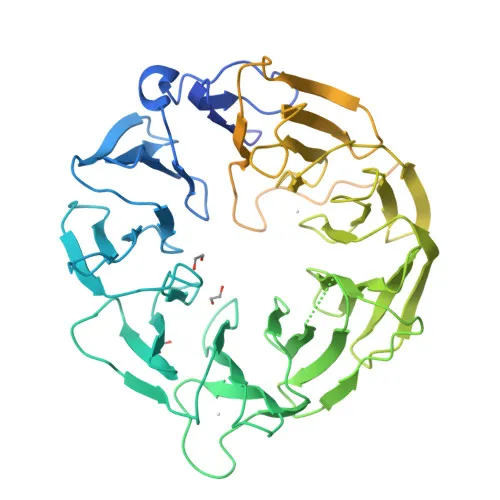
- Structural features include WD repeats, which facilitate protein-protein interactions, and a coiled-coil domain. eIF2A undergoes alternative splicing and post-translational modifications such as acetylation and phosphorylation.
- It is classified under initiation factors and is involved in translation regulation. Proteomics identification has confirmed its presence in reference proteomes.
Experimental Guidance and Technical Tips
- The immunogen is a synthetic peptide derived from the N-terminal region (amino acids 1–100) of human eIF2A. This region is relatively conserved; verify sequence identity across species if cross-reactivity with other orthologs is anticipated.
- For Western blotting, consider testing antibody dilutions starting at 1:500 to 1:2000 and validate band specificity using eIF2A knockdown or knockout cell lysates. Endogenous eIF2A runs at ~65 kDa; ensure MW markers are appropriate.
- In ELISA applications, optimize coating antigen and antibody concentrations. Include proper controls to account for background binding from the polyclonal nature of the antibody.
- Given the broad tissue expression of eIF2A, select positive control lysates from tissues with higher expression (e.g., pancreas, brain) for initial experiments.
CamelBio: Your One-Stop Sourcing Bridge
CamelBio provides diagnostic manufacturers, labs, and research institutes with one-stop access to IVD raw materials, technical services, and consulting—covering every stage from concept to clinic. For researchers investigating translation initiation and protein synthesis, we supply validated antibody pairs, optimized monoclonal/polyclonal antibodies, bulk ancillary reagents, and can assist in sourcing rare target raw materials. The eIF2A rabbit polyclonal antibody is part of our translation regulation portfolio, available to accelerate your assay development and biomarker studies.
REQUEST A QUOTE
Our professional team will reply to you within one business day. Please feel free to contact us!