Monoclonal Antibodies
Anti-EFTUD2 Rabbit Monoclonal Antibody for WB, IHC-P, IF/ICC, IP, ELISA - Q15029
Item Number : CM0004978
Price varies based on specs and customizations
- Application
- WB, IHC-P, IF/ICC, IP, ELISA
- Cross Reactivity
- Human, Mouse, Rat
- Protein Weight
- 109kDa

Shipping:
Contact us to get shipping details Enjoy On-time Dispatch Guarantee.
Why Choose Us
Easy ordering process, quality products, and dedicated support for your business success.
Core Product Specifications and Parameters
| Parameter | Value |
|---|---|
| Product Name | [KD Validated] EFTUD2 Rabbit mAb |
| Remarks/Alias | MFDM; MFDGA; Snu114; Snrp116; SNRNP116; U5-116KD |
| Species | Human |
| GeneID (Human) | 9343 |
| Immunogen | Recombinant fusion protein containing a sequence corresponding to amino acids 1-205 of human EFTUD2 (NP_004238.3) |
| Source | Rabbit |
| Category | Monoclonal Antibodies |
| Application | WB, IHC-P, IF/ICC, IP, ELISA |
| Cross Reactivity | Human, Mouse, Rat |
| SWISS | Q15029 |
| Protein Weight | 109kDa |
| Shipping | Ice bag |
Biological Background: EFTUD2 Function and Localization
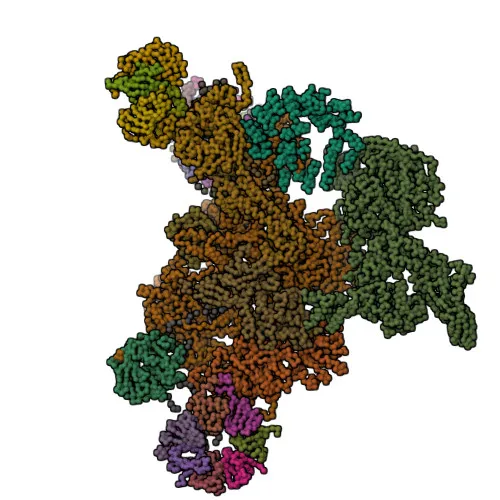
- EFTUD2, also known as 116 kDa U5 small nuclear ribonucleoprotein component or SNU114 homolog, is a core component of the major and minor spliceosomes. It contains an elongation factor Tu GTP-binding domain, reflecting its evolutionarily conserved role in RNA processing.
- As a component of the U5 snRNP and U4/U6-U5 tri-snRNP complex, EFTUD2 is required for pre-mRNA splicing, participating in pre-catalytic, catalytic, and post-catalytic spliceosomal complexes.
Related references: PMID:25092792, PMID:28076346, PMID:28502770, PMID:16723661 - EFTUD2 is localized to the nucleus, consistent with its role in mRNA splicing.
- The protein is subject to post-translational modifications including acetylation, phosphorylation, and ubiquitination, which may regulate spliceosome dynamics.
- Mutations in EFTUD2 are associated with mandibulofacial dysostosis with microcephaly (MFDM) and intellectual disability, highlighting its essential role in development.
- The EFTUD2 gene undergoes alternative splicing, potentially yielding multiple isoforms with distinct functional properties.
Experimental Guidance and Technical Tips
- The immunogen corresponds to the N-terminal region (aa 1–205) of human EFTUD2, which may minimize cross-reactivity with other elongation factor Tu GTP-binding domain proteins.
- This antibody is recommended for detection of endogenous EFTUD2 in human, mouse, and rat samples. Verify expression levels in the relevant cell or tissue type, as EFTUD2 is ubiquitously expressed but may vary.
- For western blotting, the predicted molecular weight is 109 kDa; ensure adequate gel separation and transfer conditions for high-molecular-weight proteins.
- In immunoprecipitation, the antibody’s monoclonal nature offers high specificity for enrichment of the spliceosomal complex. Consider co-IP studies to examine interaction partners.
- For immunofluorescence, expect nuclear staining; include appropriate nuclear counterstains to confirm localization.
CamelBio: Your One-Stop Sourcing Bridge
CamelBio offers diagnostic manufacturers and research labs a single access point for validated IVD raw materials including antibodies, antigens, and ancillary reagents. Our anti-EFTUD2 monoclonal antibody supports spliceosome and RNA processing research, backed by reliable supply and technical support. Explore our portfolio for complementary tools in pre-mRNA splicing and rare disease biomarker development.
Product Datasheet
Anti-EFTUD2 Rabbit Monoclonal Antibody for WB, IHC-P, IF/ICC, IP, ELISA - Q15029
REQUEST A QUOTE
Our professional team will reply to you within one business day. Please feel free to contact us!