Polyclonal Antibodies
Anti-EFNB1 Rabbit Polyclonal Antibody for WB, ELISA - P98172
Item Number : CM0014096
Price varies based on specs and customizations
- Application
- WB, ELISA
- Cross Reactivity
- Mouse
- Protein Weight
- 38kDa

Shipping:
Contact us to get shipping details Enjoy On-time Dispatch Guarantee.
Why Choose Us
Easy ordering process, quality products, and dedicated support for your business success.
Core Product Specifications and Parameters
| Parameter | Value |
|---|---|
| Product Name | EFNB1 Rabbit pAb |
| Remarks/Alias | CFND; CFNS; EFB1; EFL3; EPLG2; Elk-L; LERK2; EFNB1 |
| Species | Human |
| Gene ID | 1947 |
| Immunogen | Recombinant protein/Recombinant fusion protein containing a sequence corresponding to amino acids 259-346 of human EFNB1 (NP_004420.1) |
| Source | Rabbit |
| Category | Polyclonal Antibodies |
| Application | WB, ELISA |
| Cross Reactivity | Mouse |
| SWISS | P98172 |
| Protein Weight | 38kDa |
| Shipping | Ice bag |
Biological Background: EFNB1 Function and Localization
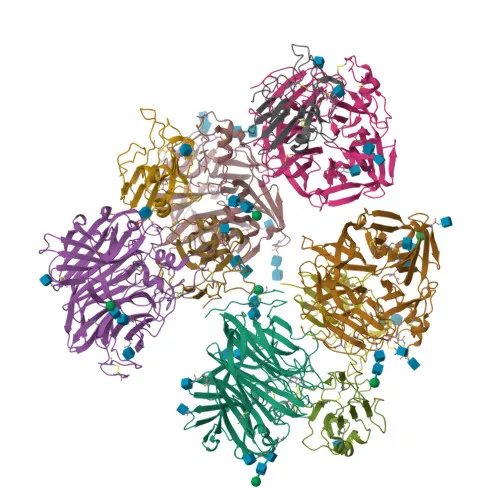
- EFNB1 encodes Ephrin-B1, a transmembrane ligand for Eph receptor tyrosine kinases, and is a member of the ephrin family.
- It binds to Eph receptors (EPHB1, EPHB2, EPHB3) to trigger contact-dependent bidirectional signaling, playing critical roles in cell migration, repulsion, and adhesion during neuronal, vascular, and epithelial development.
Related references: PMID:7973638 and PMID:8070404 - In neuronal development, Ephrin-B1 induces commissural axon growth cone collapse and may constrain longitudinal axon orientation (By similarity).
- Subcellular localization includes the cell membrane, membrane rafts, and the nucleus, consistent with its role in signal transduction.
- EFNB1 is widely expressed, with particularly high levels in retina, sciatic nerve, heart, and spinal cord.
Related references: PMID:7973638 - Post-translational modifications such as phosphorylation and glycosylation, along with disulfide bonds and a transmembrane domain, are essential for its function.
- Mutations in EFNB1 are linked to craniosynostosis (craniofrontonasal syndrome), highlighting its importance in skeletal development.
Experimental Guidance and Technical Tips
- The immunogen corresponds to the intracellular domain (amino acids 259–346); consider how epitope accessibility may influence detection in various assay formats.
- For Western blot, the predicted molecular weight is approximately 38 kDa; reduce and denature samples and validate the band size in your system.
- Cross-reactivity with mouse has been reported; if using mouse tissues, validate the antibody under your specific experimental conditions.
- As a polyclonal antibody, include appropriate controls (e.g., blocking peptide, knockout lysate) to confirm specificity.
- For ELISA, test both direct and indirect formats and optimize coating conditions to achieve the best signal-to-noise ratio.
CamelBio: Your One-Stop Sourcing Bridge
CamelBio is your one-stop sourcing partner for IVD raw materials, from discovery to clinic. This anti-EFNB1 antibody supports neuroscience and developmental biology research, and we can also supply validated antibody pairs, bulk ancillary reagents, and rare-target raw materials to meet your diagnostic development needs. Contact us to streamline your reagent procurement and accelerate your projects.
REQUEST A QUOTE
Our professional team will reply to you within one business day. Please feel free to contact us!