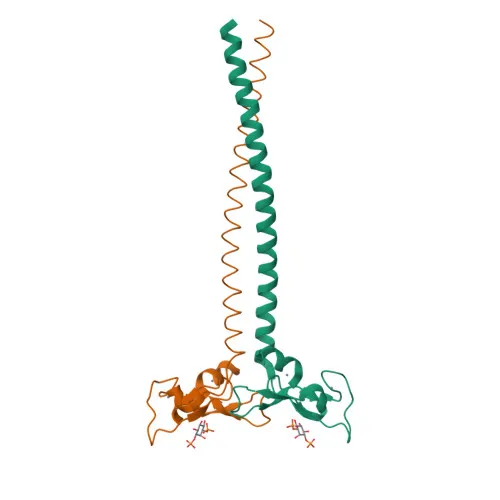
Monoclonal Antibodies
Anti-EEA1 Rabbit Monoclonal Antibody for WB, ELISA - Q15075
Item Number : CM0011510
Price varies based on specs and customizations
- Application
- WB, ELISA
- Cross Reactivity
- Human, Mouse, Rat
- Protein Weight
- 162kDa

Shipping:
Contact us to get shipping details Enjoy On-time Dispatch Guarantee.
Why Choose Us
Easy ordering process, quality products, and dedicated support for your business success.
Core Product Specifications and Parameters
| Parameter | Value |
|---|---|
| Product Name | EEA1 Rabbit mAb |
| Remarks/Alias | MST105; ZFYVE2; MSTP105; EEA1 |
| Species | Human |
| Gene ID | 8411 |
| Immunogen | A synthetic peptide corresponding to a sequence within amino acids 1-100 of human EEA1 (Q15075) |
| Source | Rabbit |
| Category | Monoclonal Antibodies |
| Application | WB, ELISA |
| Cross Reactivity | Human, Mouse, Rat |
| SWISS | Q15075 |
| Protein Weight | 162kDa |
| Shipping | Ice bag |
Biological Background: Early Endosome Antigen 1 Function and Localization
- Early endosome antigen 1 (EEA1), also known as endosome-associated protein p162 or zinc finger FYVE domain-containing protein 2 (ZFYVE2), is a peripheral membrane protein involved in endosomal trafficking.
- EEA1 specifically binds to phosphatidylinositol 3-phosphate (PtdIns(3)P)-enriched phospholipid vesicles, facilitating early endosome fusion and trafficking.
- The protein contains a C-terminal FYVE zinc finger domain that targets it to early endosome membranes, along with extensive coiled-coil domains that mediate dimerization and interaction with other endocytic regulators.
- It is predominantly localized to the cytoplasmic face of early endosome membranes but can also be detected in the cytosol.
- Functional studies show that EEA1 participates in Rab5-dependent endosomal tethering and fusion, essential for proper endocytic pathway progression.
- Post-translational modifications include phosphorylation, and structural features such as coiled-coil motifs and the IQ calmodulin-binding motif contribute to its regulatory roles.
Experimental Guidance and Technical Tips
- The immunogen is a synthetic peptide corresponding to the N-terminal region (aa 1-100) of human EEA1, which is highly conserved in mouse and rat, supporting the observed cross-reactivity.
- For Western blot analysis, the predicted molecular weight is approximately 162 kDa; consider using a 6-8% SDS-PAGE gel and standard reducing conditions.
- The antibody has been validated by the supplier for WB and ELISA; for other applications like immunofluorescence or immunoprecipitation, optimization is recommended.
- Because EEA1 is membrane-associated, consider including mild detergents in lysis buffers to improve antigen solubility and detection.
- Validate antibody specificity in your target species (human, mouse, rat) with appropriate positive and negative controls.
CamelBio: Your One-Stop Sourcing Bridge
CamelBio partners with diagnostic manufacturers and research laboratories worldwide, offering one-stop access to validated IVD-grade antibodies, recombinant proteins, and ancillary reagents. Our EEA1 monoclonal antibody supports researchers studying endosomal trafficking, membrane biology, and related pathologies. Beyond individual reagents, we provide customized bulk supply solutions, technical consultation, and support for assay development, helping you accelerate from concept to clinic.
REQUEST A QUOTE
Our professional team will reply to you within one business day. Please feel free to contact us!