Polyclonal Antibodies
Anti-EDG1/S1PR1 Polyclonal Antibody for WB and ELISA - P21453
Item Number : CM0018654
Price varies based on specs and customizations
- Application
- WB, ELISA
- Cross Reactivity
- Human, Mouse
- Protein Weight
- 43kDa

Shipping:
Contact us to get shipping details Enjoy On-time Dispatch Guarantee.
Why Choose Us
Easy ordering process, quality products, and dedicated support for your business success.
Core Product Specifications and Parameters
| Parameter | Value |
|---|---|
| Product Name | EDG1/HEXIM1 Rabbit pAb |
| Remarks/Alias | EDG1; S1P1; CD363; ECGF1; EDG-1; CHEDG1; D1S3362; EDG1/HEXIM1 |
| Species | Human |
| GeneID (Human) | 1901 |
| GeneID | 1901 |
| Immunogen | Recombinant fusion protein containing a sequence corresponding to amino acids 303-382 of human EDG1/HEXIM1 (NP_001391.2). |
| Source | Rabbit |
| Category | Polyclonal Antibodies |
| Application | WB, ELISA |
| Cross Reactivity | Human, Mouse |
| SWISS | P21453 |
| Protein Weight | 43kDa |
| Shipping | Ice bag |
Biological Background: S1PR1 (EDG1) Function and Localization
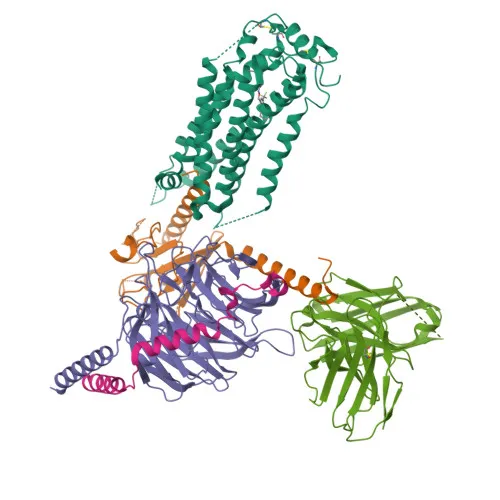
- S1PR1, also known as EDG1 or S1P1, is a G protein‑coupled receptor for the bioactive lysosphingolipid sphingosine 1‑phosphate (S1P).
- Upon S1P binding, it couples to G(i)‑type heterotrimeric G proteins, activating downstream effectors such as RAC1, SRC, PTK2/FAK1, and MAP kinases.
- Signaling through S1PR1 regulates cell migration, actin cytoskeleton reorganization, and lamellipodia formation, promoting chemotaxis toward S1P.
- The receptor is essential for normal embryonic heart development, cardiac morphogenesis, and vascular maturation; it inhibits excessive sprouting angiogenesis during blood vessel development.
- S1PR1 is required for the egress of mature T‑cells from the thymus into the bloodstream and peripheral lymphoid organs.
- It also plays a role in osteoclast precursor migration, bone mineralization, and bone homeostasis.
- In pulmonary endothelial cells, S1PR1 mediates responses to oxidized phospholipids and contributes to protection against ventilator‑induced lung injury.
- The protein localizes to the cell membrane, endosomes, and membrane rafts, and is predominantly expressed in endothelial cells, with lower expression in vascular smooth muscle cells, fibroblasts, melanocytes, and epithelioid cells.
Experimental Guidance and Technical Tips
- The immunogen corresponds to amino acids 303–382 in the C‑terminal cytoplasmic domain; this region may be accessible in denaturing Western blot conditions.
- For WB, the predicted molecular weight is approximately 43 kDa; use appropriate gel percentage and transfer conditions for a transmembrane protein.
- S1PR1 is a GPCR with multiple transmembrane domains; standard protein extraction and loading buffers are typically sufficient, but avoid high‑heat boiling if membrane protein aggregation is a concern.
- For ELISA, the polyclonal nature of this antibody may provide high avidity; consider pairing with a monoclonal capture antibody in a sandwich format if higher specificity is needed.
- Validate the antibody in the relevant sample system (e.g., human endothelial cell lines, mouse tissues) using appropriate positive and negative controls.
CamelBio: Your One-Stop Sourcing Bridge
CamelBio is your streamlined partner for IVD raw‑material sourcing, offering validated polyclonal antibodies like this anti‑S1PR1/EDG1 product to support research into GPCR signaling, cell migration, and angiogenesis. From optimized antibody pairs to bulk ancillary reagents and rare‑target sourcing, we provide diagnostic manufacturers and laboratories with the essential tools needed from concept to clinic. Let our expert team connect you with high‑quality raw materials tailored to your specific workflow requirements.
REQUEST A QUOTE
Our professional team will reply to you within one business day. Please feel free to contact us!