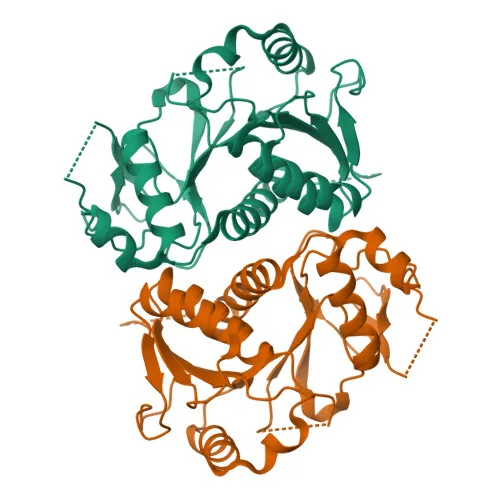
Polyclonal Antibodies
Anti-EDC3 Rabbit Polyclonal Antibody for WB - Q96F86
Item Number : CM0013059
Price varies based on specs and customizations
- Application
- WB, ELISA
- Cross Reactivity
- Human, Mouse, Rat
- Protein Weight
- 56kDa

Shipping:
Contact us to get shipping details Enjoy On-time Dispatch Guarantee.
Why Choose Us
Easy ordering process, quality products, and dedicated support for your business success.
Core Product Specifications and Parameters
| Parameter | Value |
|---|---|
| Product Name | EDC3 Rabbit pAb |
| Remarks/Alias | YJDC; LSM16; MRT50; YJEFN2; hYjeF_N2-15q23; EDC3 |
| Species | Human |
| Gene ID (Human) | 80153 |
| Gene ID | 80153 |
| Immunogen | Recombinant fusion protein containing a sequence corresponding to amino acids 159-508 of human EDC3 (NP_079359.2) |
| Source | Rabbit |
| Category | Polyclonal Antibodies |
| Application | WB, ELISA |
| Cross Reactivity | Human, Mouse, Rat |
| SWISS | Q96F86 |
| Protein Weight | 56kDa |
| Shipping | Ice bag |
Biological Background: EDC3 Function and Localization
- EDC3 (Enhancer of mRNA-decapping protein 3), also known as LSM16 homolog, YjeF_N2, or YJDC, is an RNA-binding protein that specifically binds single-stranded RNA.
- It functions as a positive regulator of mRNA decapping, a critical step in the 5'-to-3' mRNA degradation pathway, thereby modulating post-transcriptional gene expression.
- EDC3 localizes to cytoplasmic processing bodies (P-bodies), which are discrete cytoplasmic foci involved in mRNA storage and decay.
- At the protein level, EDC3 is prominently expressed in ovarian theca and granulosa cells, as well as in testicular spermatids and Sertoli cells, suggesting roles in spermiogenesis and oogenesis.
- Additionally, expression has been detected in brain and mammary gland tissues, indicating broader functional relevance.
- The protein belongs to the LSM16 family and contains a YjeF N-terminal domain, characteristic of RNA-processing factors.
- Post-translational modifications include phosphorylation, and variants in EDC3 have been associated with disease phenotypes, notably intellectual disability (keyword evidence).
Experimental Guidance and Technical Tips
- The immunogen, corresponding to amino acids 159–508 of human EDC3, covers a conserved region; cross-reactivity with mouse and rat is reported—validate sequence homology between species for your specific experimental model.
- For Western blotting, expect a band around 56 kDa (theoretical molecular weight 56,078 Da from UniProt); use lysates from tissues with high EDC3 expression (e.g., testis, ovary, brain) as positive controls.
- In ELISA, coating with recombinant EDC3 protein or the immunogen fragment is recommended; optimize antibody dilution and incubation conditions to minimize background.
- Although validated for WB and ELISA, the antibody may be suitable for immunoprecipitation or immunofluorescence; however, empirical validation is required for non-validated applications.
CamelBio: Your One-Stop Sourcing Bridge
CamelBio is a dedicated one-stop IVD raw-material sourcing partner, supporting diagnostic manufacturers, laboratories, and research institutions from early development through clinical application. For projects targeting mRNA decapping, post-transcriptional regulation, or EDC3-related pathways, CamelBio supplies validated antibody pairs, optimized polyclonal and monoclonal antibodies, and bulk ancillary reagents. Our team also facilitates custom sourcing of rare-target raw materials, ensuring a streamlined supply chain for your assay development needs.
REQUEST A QUOTE
Our professional team will reply to you within one business day. Please feel free to contact us!