Polyclonal Antibodies
Anti-EAAT2/SLC1A2 Polyclonal Antibody for WB, IF-P, ELISA - P43004
Item Number : CM0014539
Price varies based on specs and customizations
- Application
- WB, IF-P, ELISA
- Cross Reactivity
- Mouse, Rat
- Protein Weight
- 62kDa

Shipping:
Contact us to get shipping details Enjoy On-time Dispatch Guarantee.
Why Choose Us
Easy ordering process, quality products, and dedicated support for your business success.
Core Product Specifications and Parameters
| Parameter | Value |
|---|---|
| Product Name | EAAT2/SLC1A2 Rabbit pAb |
| Remarks/Alias | GLT1; HBGT; DEE41; EAAT2; GLT-1; EIEE41; EAAT2/SLC1A2 |
| Species | Human |
| GeneID (Human) | 6506 |
| GeneID | 6506 |
| Immunogen | Recombinant fusion protein containing a sequence corresponding to amino acids 474-574 of human EAAT2/SLC1A2 (NP_004162.2) |
| Source | Rabbit |
| Category | Polyclonal Antibodies |
| Application | WB, IF-P, ELISA |
| Cross Reactivity | Mouse, Rat |
| SWISS | P43004 |
| Protein Weight | 62kDa |
| Shipping | Ice bag |
Biological Background: EAAT2/SLC1A2 Function and Localization
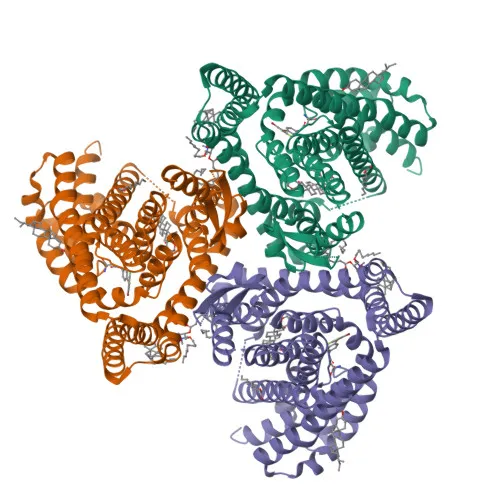
- EAAT2 (Excitatory Amino Acid Transporter 2), also designated GLT-1 and SLC1A2, is a member of the solute carrier family 1 (SLC1) that mediates high-affinity glutamate transport.
- It functions as a sodium-dependent symporter, mediating the uptake of L-glutamate, L-aspartate, and D-aspartate alongside 2–3 Na+ ions and one H+, with counter-transport of one K+ ion. Related references: PMID:14506254 PMID:15265858 PMID:26690923
- Essential for the rapid removal of synaptically released glutamate, EAAT2 terminates excitatory signaling and prevents excitotoxic neuronal damage.
- The transporter also conducts a chloride flux uncoupled from amino acid transport, contributing to charge balance during operation. Related references: PMID:14506254
- Predominantly localized to the plasma membrane, EAAT2 expression is enriched in astrocytes throughout the central nervous system.
- Alternative splicing generates multiple isoforms, and post-translational modifications including phosphorylation, palmitoylation, and N-linked glycosylation regulate its trafficking and activity.
- Mutations in SLC1A2 are associated with epileptic encephalopathy, underscoring its critical role in neurological health.
Experimental Guidance and Technical Tips
- The immunogen spans residues 474–574 within the intracellular C-terminal domain, a region that exhibits moderate cross-species conservation; this likely accounts for the antibody’s reactivity with both mouse and rat orthologues.
- For Western blotting, the predicted mass is 62 kDa; however, glycosylation and other modifications may result in observed bands at higher molecular weights. Include appropriate positive and negative controls.
- In immunofluorescence protocols, permeabilization is required to access the intracellular epitope. Co-staining with a plasma membrane marker is advisable to confirm localization.
- ELISA applications can be adapted for quantification of EAAT2 in tissue lysates or biological fluids; optimize blocking and detection conditions for your specific sample matrix.
CamelBio: Your One-Stop Sourcing Bridge
CamelBio serves as a single-source partner for IVD raw materials, connecting diagnostic developers with validated antibodies like this EAAT2/SLC1A2 rabbit pAb for neuroscience and transporter-focused research. Our portfolio encompasses validated antibody pairs, bulk monoclonals and polyclonals, and ancillary reagents, complemented by sourcing capabilities for rare-target raw materials—supporting your assay pipeline from initial design through clinical application.
REQUEST A QUOTE
Our professional team will reply to you within one business day. Please feel free to contact us!