Polyclonal Antibodies
Anti-DTNA Polyclonal Antibody for WB, ELISA - Q9Y4J8
Item Number : CM0014573
Price varies based on specs and customizations
- Application
- WB, ELISA
- Cross Reactivity
- Human, Mouse
- Protein Weight
- 84kDa

Shipping:
Contact us to get shipping details Enjoy On-time Dispatch Guarantee.
Why Choose Us
Easy ordering process, quality products, and dedicated support for your business success.
Core Product Specifications and Parameters
| Parameter | Value |
|---|---|
| Product Name | DTNA Rabbit pAb |
| Remarks/Alias | DTN; DRP3; DTN-A; LVNC1; D18S892E; DTNA |
| Species | Human |
| Gene ID (Human) | 1837 |
| Gene ID | 1837 |
| Immunogen | Recombinant fusion protein containing a sequence corresponding to amino acids 240-480 of human DTNA (NP_001381.2) |
| Source | Rabbit |
| Category | Polyclonal Antibodies |
| Application | WB, ELISA |
| Cross Reactivity | Human, Mouse |
| SWISS | Q9Y4J8 |
| Protein Weight | 84kDa |
| Shipping | Ice bag |
Biological Background: DTNA Function and Localization
- Dystrobrevin alpha (DTNA), also known as alpha-dystrobrevin or dystrophin-related protein 3, is a member of the dystrophin family of proteins that plays a role in synapse formation and stability.
- It may contribute to the clustering of nicotinic acetylcholine receptors at the neuromuscular junction, supporting proper synaptic transmission.
- DTNA is a cytoplasmic protein that associates with the cell membrane and is localized to synapses in muscle and neuronal tissues.
- Multiple isoforms are generated by alternative splicing, with tissue-specific expression patterns: for example, isoform 2 is absent in cardiac muscle, while isoforms 7 and 8 are restricted to muscle.
- The protein is highly expressed in brain, skeletal muscle, and cardiac muscle, with lower levels detected in lung, liver, and pancreas.
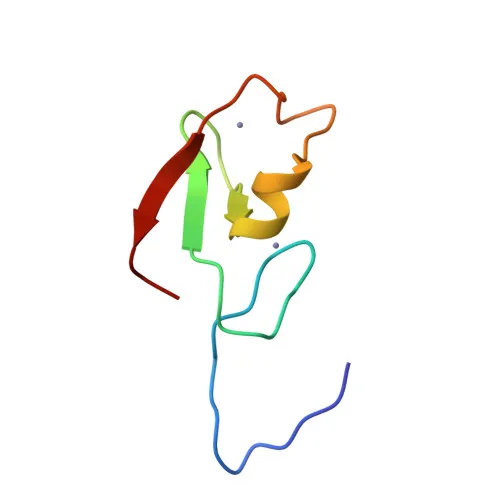
- DTNA contains a zinc-finger domain and coiled-coil regions, and is subject to phosphorylation and metal-ion binding, features that may regulate its interactions and function.
- Mutations in DTNA are associated with cardiomyopathy, as indicated by its inclusion in disease-related keywords.
Experimental Guidance and Technical Tips
- The immunogen corresponds to amino acids 240–480 of human DTNA (isoform 1). As a polyclonal antibody, it may recognize multiple isoforms and processed forms; validate in your sample system.
- For Western blotting, a band around 84 kDa (calculated molecular weight: ~84 kDa) is expected in human and mouse lysates. Consider using positive control tissues such as brain or skeletal muscle.
- In ELISA, the antibody may be used for detection of recombinant or endogenous DTNA. Titration and inclusion of appropriate antigen standards are recommended.
CamelBio: Your One-Stop Sourcing Bridge
CamelBio supports diagnostic manufacturers and research teams with a comprehensive portfolio of IVD raw materials. This anti-DTNA polyclonal antibody, targeting dystrobrevin alpha, is ideal for studies in neuromuscular junction biology and cardiomyopathy. Beyond individual antibodies, CamelBio provides validated antibody pairs, bulk ancillary reagents, and custom sourcing for rare-target raw materials to accelerate your assay development from concept to clinic.
REQUEST A QUOTE
Our professional team will reply to you within one business day. Please feel free to contact us!