Polyclonal Antibodies
Anti-DRD4 Polyclonal Antibody for WB, IHC-P, ELISA - P21917
Item Number : CM0013637
Price varies based on specs and customizations
- Application
- WB, IHC-P, ELISA
- Cross Reactivity
- Mouse, Rat
- Protein Weight
- 44kDa

Shipping:
Contact us to get shipping details Enjoy On-time Dispatch Guarantee.
Why Choose Us
Easy ordering process, quality products, and dedicated support for your business success.
Core Product Specifications and Parameters
| Parameter | Value |
|---|---|
| Product Name | DRD4 Rabbit pAb |
| Remarks/Alias | D4DR; DRD4 |
| Species | Human |
| Gene ID (Human) | 1815 |
| Gene ID | 1815 |
| Immunogen | Synthetic peptide|A synthetic peptide corresponding to a sequence within amino acids 100-200 of human DRD4 (NP_000788.2). |
| Source | Rabbit |
| Category | Polyclonal Antibodies |
| Application | WB, IHC-P, ELISA |
| Cross Reactivity | Mouse, Rat |
| SWISS | P21917 |
| Protein Weight | 44kDa |
| Shipping | Ice bag |
Biological Background: DRD4 Function and Localization
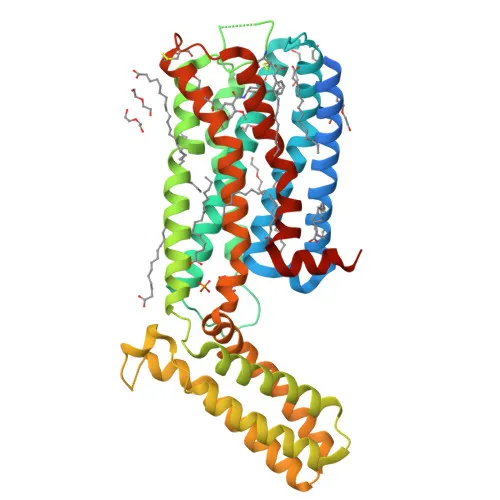
- DRD4, also known as D(2C) dopamine receptor or Dopamine D4 receptor, is a G protein-coupled receptor encoded by the DRD4 gene.
- It mediates dopamine signaling in the mesolimbic system, regulating emotion and complex behavior. Agonist binding by dopamine, epinephrine, norepinephrine, and synthetic drugs triggers G protein-mediated inhibition of adenylyl cyclase. Related references: PMID:16423344 PMID:27659709 PMID:29051383
- DRD4 modulates the circadian rhythm of contrast sensitivity by regulating rhythmic expression of NPAS2 in retinal ganglion cells.
- It localizes predominantly to the cell membrane as a multi-pass transmembrane protein.
- Highly expressed in retina; detected at much lower levels in brain regions including amygdala, thalamus, hypothalamus, cerebellum, and pituitary.
- Post-translational modifications include glycosylation, palmitoylation, disulfide bonds, and ubiquitination; the receptor also contains metal-binding and sodium-binding sites.
Experimental Guidance and Technical Tips
- The immunogen corresponds to a sequence within the N-terminal/transmembrane region (amino acids 100-200) of human DRD4. Confirm specificity using peptide blocking or knockout/knockdown controls.
- For Western blotting, the predicted molecular weight is 44 kDa, but post-translational modifications may cause slight band shifts. Use appropriate loading controls.
- In immunohistochemistry (IHC-P), antigen retrieval may be necessary. Validate staining in known positive tissues such as retina or brain sections.
- The antibody cross-reacts with mouse and rat based on sequence homology; verify performance in your target species.
- For ELISA, optimize coating conditions and check for background due to polyclonal nature.
CamelBio: Your One-Stop Sourcing Bridge
CamelBio supplies diagnostic manufacturers and research institutes with a complete range of IVD raw materials, technical services, and consulting. For neuroscience studies on the dopaminergic system, we offer validated antibody pairs, optimized polyclonals like this anti-DRD4 antibody, and bulk ancillary reagents. Our global sourcing networks also support custom development and rare-target procurement to streamline your assay development from concept to clinic.
REQUEST A QUOTE
Our professional team will reply to you within one business day. Please feel free to contact us!