Polyclonal Antibodies
Anti-DPYSL3 Rabbit Polyclonal Antibody for WB, ELISA - Q14195
Item Number : CM0016730
Price varies based on specs and customizations
- Application
- WB, ELISA
- Cross Reactivity
- Mouse, Rat
- Protein Weight
- 62kDa

Shipping:
Contact us to get shipping details Enjoy On-time Dispatch Guarantee.
Why Choose Us
Easy ordering process, quality products, and dedicated support for your business success.
Core Product Specifications and Parameters
| Parameter | Value |
|---|---|
| Product Name | DPYSL3 Rabbit pAb |
| Remarks/Alias | DRP3; ULIP; CRMP4; DRP-3; LCRMP; CRMP-4; ULIP-1; DPYSL3 |
| Species | Human |
| GeneID | 1809 |
| Immunogen | Recombinant fusion protein containing a sequence corresponding to amino acids 440-520 of human DPYSL3 (NP_001378.1) |
| Source | Rabbit |
| Category | Polyclonal Antibodies |
| Application | WB, ELISA |
| Cross Reactivity | Mouse, Rat |
| SWISS | Q14195 |
| Protein Weight | 62kDa |
| Shipping | Ice bag |
Biological Background: DPYSL3 Function and Localization
- Dihydropyrimidinase-related protein 3 (DPYSL3), also known as collapsin response mediator protein 4 (CRMP-4) or Unc-33-like phosphoprotein 1 (ULIP-1), belongs to the dihydropyrimidinase family and is encoded by the DPYSL3 gene.
- It is essential for semaphorin 3 signaling pathways that lead to cytoskeletal remodeling, playing a critical role in axon guidance, neuronal growth cone collapse, and cell migration.
- The protein is predominantly located in the cytoplasm and accumulates at the growth cone, a dynamic structure at the tip of developing axons.
- DPYSL3 is mainly expressed in heart and skeletal muscle, with strong expression also detected in fetal brain and spinal cord, suggesting key functions in both muscle and developing neural tissues.
- Multiple isoforms are produced by alternative splicing, contributing to functional diversity.
- The protein undergoes phosphorylation, a modification known to regulate its activity in semaphorin-mediated repulsion responses.
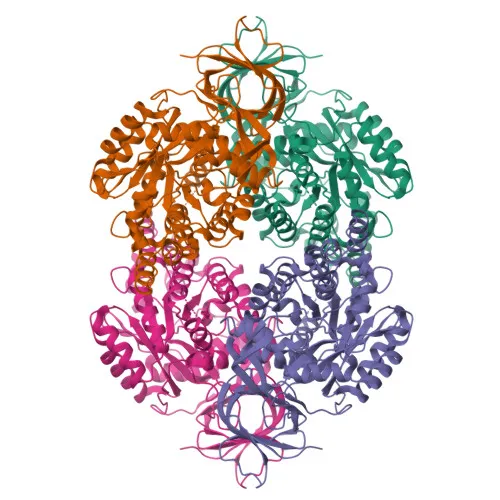
- High-resolution 3D structures are available, providing insights into its molecular architecture, and it has been identified through both direct protein sequencing and proteomics approaches.
Experimental Guidance and Technical Tips
- The immunogen spans a region near the C-terminus (amino acids 440-520) of human DPYSL3, ensuring specific recognition of the target.
- For Western blotting, lysates from tissues with high endogenous expression (e.g., heart, skeletal muscle, fetal brain) can serve as positive controls; cross-reactivity with mouse and rat allows flexibility in model systems.
- When developing an ELISA, consider pairing this polyclonal antibody with a matched monoclonal antibody to establish a reliable sandwich assay.
- As a polyclonal preparation, lot-to-lot consistency may vary; validate each new lot in your specific sample system and optimize dilutions empirically.
- The predicted molecular weight is approximately 62 kDa, but phosphorylated forms or splice variants may show slight shifts; always use appropriate loading controls and molecular weight markers.
CamelBio: Your One-Stop Sourcing Bridge
CamelBio is a dedicated one-stop sourcing partner for IVD raw materials, supporting diagnostic manufacturers and researchers from concept to clinic. For studies on neuronal development, cytoskeleton dynamics, or semaphorin signaling, this anti-DPYSL3 polyclonal antibody offers a well-characterized tool. Beyond individual antibodies, we provide validated antibody pairs, optimized monoclonal/polyclonal preparations, bulk ancillary reagents, and assistance in sourcing rare-target raw materials to streamline your assay development and production workflows.
REQUEST A QUOTE
Our professional team will reply to you within one business day. Please feel free to contact us!