Polyclonal Antibodies
Anti-DPP3 Polyclonal Antibody for WB, ELISA - Q9NY33
Item Number : CM0017247
Price varies based on specs and customizations
- Application
- WB, ELISA
- Cross Reactivity
- Human, Mouse, Rat
- Protein Weight
- 83kDa

Shipping:
Contact us to get shipping details Enjoy On-time Dispatch Guarantee.
Why Choose Us
Easy ordering process, quality products, and dedicated support for your business success.
Core Product Specifications and Parameters
| Parameter | Value |
|---|---|
| Product Name | DPP3 Rabbit pAb |
| Remarks/Alias | DPPIII; DPP3 |
| Species | Human |
| GeneID (human) | 10072 |
| GeneID | 10072 |
| Immunogen | Recombinant protein|Recombinant fusion protein containing a sequence corresponding to amino acids 1-280 of human DPP3 (NP_569710.2). |
| Source | Rabbit |
| Category | Polyclonal Antibodies |
| Application | WB, ELISA |
| Cross Reactivity | Human, Mouse, Rat |
| SWISS | Q9NY33 |
| Protein Weight | 83kDa |
| Shipping | Ice bag |
Biological Background: DPP3 Function and Localization
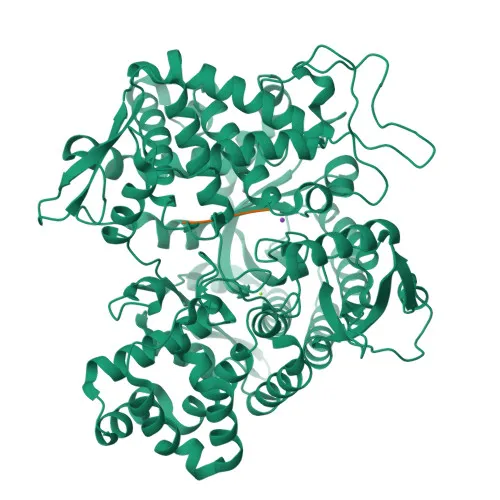
- DPP3, also known as dipeptidyl aminopeptidase III or enkephalinase B, is a zinc-dependent metalloprotease that belongs to the peptidase M49 family.
- The enzyme cleaves and degrades bioactive peptides, including angiotensin, Leu-enkephalin, and Met-enkephalin. Related references: PMID:1515063, PMID:3233187
- In vitro, DPP3 also cleaves the synthetic substrate Arg-Arg-β-naphthylamide. Related references: PMID:11209758, PMID:3233187, PMID:9425109
- Subcellularly, DPP3 is predominantly localized to the cytoplasm and cytosol.
- Tissue expression of DPP3 has been confirmed at the protein level in placenta and erythrocytes.
- Post-translational modifications include acetylation, and the protein sequence has been verified by direct protein sequencing.
- Alternative splicing of the DPP3 gene yields multiple transcript variants.
- Keywords associated with DPP3 include 3D-structure, metal-binding, and proteomics identification, highlighting its structural characterization and role in peptide metabolism.
Experimental Guidance and Technical Tips
- The immunogen used is a recombinant fusion protein covering amino acids 1-280, which corresponds to a large portion of the N-terminal region of human DPP3. For optimal results in WB, consider using a denaturing reducing gel and validating the antibody in tissues known to express DPP3, such as placenta.
- The antibody is also validated for ELISA; ensure proper antigen coating and blocking conditions are optimized for the specific assay format.
- Cross-reactivity with mouse and rat suggests conserved epitope(s) within the immunogen; use appropriate species-specific controls when analyzing samples from these species.
- As a polyclonal antibody, lot-to-lot variability may occur; we recommend titrating each new lot to determine optimal working dilutions.
CamelBio: Your One-Stop Sourcing Bridge
CamelBio connects diagnostic developers, laboratories, and research institutes with a comprehensive portfolio of IVD-grade raw materials. Our DPP3 polyclonal antibody is one of many high-quality immunoreagents we supply for peptide metabolism research and assay development. Beyond antibodies, we offer validated antibody pairs, bulk ancillary reagents, and custom sourcing for rare targets—supporting your projects from concept to clinic.
REQUEST A QUOTE
Our professional team will reply to you within one business day. Please feel free to contact us!