Monoclonal Antibodies
Anti-Dopamine beta Hydroxylase Rabbit Monoclonal Antibody for WB and ELISA - P09172
Item Number : CM0007298
Price varies based on specs and customizations
- Application
- WB, ELISA
- Cross Reactivity
- Human
- Protein Weight
- 69kDa

Shipping:
Contact us to get shipping details Enjoy On-time Dispatch Guarantee.
Why Choose Us
Easy ordering process, quality products, and dedicated support for your business success.
Core Product Specifications and Parameters
| Parameter | Value |
|---|---|
| Product Name | Dopamine beta Hydroxylase Rabbit mAb |
| Remarks/Alias | DBM; ORTHYP1; Dopamine beta Hydroxylase |
| Species | Human |
| GeneID (Human) | 1621 |
| GeneID | 1621 |
| Immunogen | Recombinant fusion protein containing a sequence corresponding to amino acids 100-250 of human Dopamine beta Hydroxylase (NP_000778.3). |
| Source | Rabbit |
| Category | Monoclonal Antibodies |
| Application | WB, ELISA |
| Cross Reactivity | Human |
| SWISS | P09172 |
| Protein Weight | 69kDa |
| Shipping | Ice bag |
Biological Background: Dopamine beta-Hydroxylase Function and Localization
- Protein identity: Dopamine beta-hydroxylase (DBH), also known as dopamine beta-monooxygenase, is encoded by the DBH gene in humans and belongs to the copper type II ascorbate-dependent monooxygenase family.
- Core function: DBH catalyzes the hydroxylation of dopamine to noradrenaline (norepinephrine), a fundamental step in the catecholamine biosynthesis pathway, thereby regulating neurotransmitter balance.
- Gene family: DBH is a member of the monooxygenase family; no closely related paralogs are described within the human genome, highlighting its unique role in catecholamine production.
- Subcellular localization: DBH is primarily localized to the lumen and membrane of secretory vesicles, notably chromaffin granules, but can also be secreted into the extracellular space following exocytosis.
- Post-translational modifications and cofactors: As a glycoprotein, DBH undergoes extensive N‑glycosylation, contains essential disulfide bonds for structural stability, and requires copper ions and vitamin C (ascorbate) as cofactors for its oxidoreductase activity.
- Molecular weight: The calculated molecular weight of the unglycosylated precursor is approximately 69,065 Da, consistent with the ~69 kDa band observed in SDS‑PAGE under reducing conditions.
- Disease associations: Genetic variations and mutations in DBH have been linked to orthostatic hypotension and other disorders, underscoring its clinical relevance (indicated by the keyword "Disease variant" in UniProtKB).
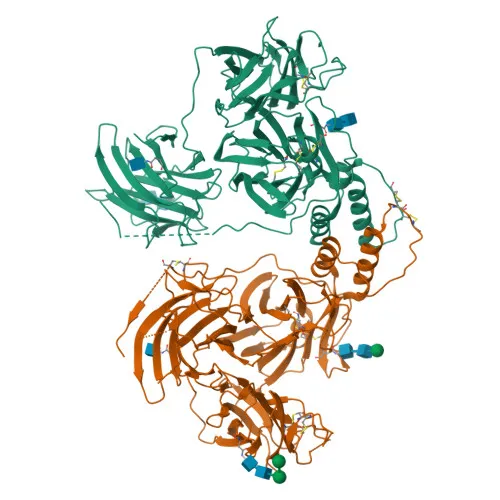
- Additional notes: DBH is also identified as a secreted protein and a reference proteome entry, with its 3D structure determined and direct protein sequencing data available, reinforcing its biochemical characterization.
Experimental Guidance and Technical Tips
- Western blot application: The antibody detects a band around 69 kDa in human samples; consider using reducing conditions and validating the signal in tissues or cell types known to express DBH, such as adrenal medulla or sympathetic neurons.
- Immunogen design: The recombinant fragment covering amino acids 100–250 corresponds to a conserved region within the catalytic domain. The antibody may recognize both the mature luminal form and any membrane‑associated precursor if present in the lysate.
- ELISA considerations: When developing sandwich immunoassays, test pairing compatibility with a suitable capture antibody. Take into account that DBH is secreted; thus, careful selection of sample type (e.g., plasma, conditioned medium) and pre‑incubation steps may improve detection.
- Cross‑reactivity: While the antibody is documented to react with human DBH, potential cross‑reactivity with other species or DBH isoforms should be independently verified, especially if quantitative applications are intended.
- Sample preparation: Due to the dual localization of DBH in vesicular membranes and lumens, solubilization strategies (e.g., mild detergents) or subcellular fractionation may be required to achieve optimal signal in solid‑phase assays.
CamelBio: Your One-Stop Sourcing Bridge
CamelBio serves as a comprehensive, one‑stop partner for diagnostic manufacturers, laboratories, and research institutions seeking high‑quality IVD raw materials. For projects targeting neuromodulatory proteins like DBH, we facilitate access to validated antibody pairs, optimized monoclonal/polyclonal antibodies, bulk ancillary reagents, and even rare‑target sourcing—streamlining your workflow from concept to clinical application.
Product Datasheet
Anti-Dopamine beta Hydroxylase Rabbit Monoclonal Antibody for WB and ELISA - P09172
REQUEST A QUOTE
Our professional team will reply to you within one business day. Please feel free to contact us!