Polyclonal Antibodies
Anti-Dopamine beta-hydroxylase (DBH) Rabbit Polyclonal Antibody for WB, ELISA - P09172
Item Number : CM0020404
Price varies based on specs and customizations
- Application
- WB, ELISA
- Cross Reactivity
- Human, Mouse, Rat
- Protein Weight
- 69kDa

Shipping:
Contact us to get shipping details Enjoy On-time Dispatch Guarantee.
Why Choose Us
Easy ordering process, quality products, and dedicated support for your business success.
Core Product Specifications and Parameters
| Parameter | Specification |
|---|---|
| Product Name | DBH Rabbit pAb |
| Remarks/Alias | DBM, ORTHYP1, DBH |
| Species | Human |
| Gene ID (Human) | 1621 |
| Gene ID | 1621 |
| Immunogen | A synthetic peptide corresponding to a sequence within amino acids 1-200 of human DBH (NP_958852.1) |
| Source | Rabbit |
| Category | Polyclonal Antibodies |
| Application | WB, ELISA |
| Cross Reactivity | Human, Mouse, Rat |
| SWISS | P09172 |
| Protein Weight | 69kDa |
| Shipping | Ice bag |
Biological Background: DBH Function and Localization
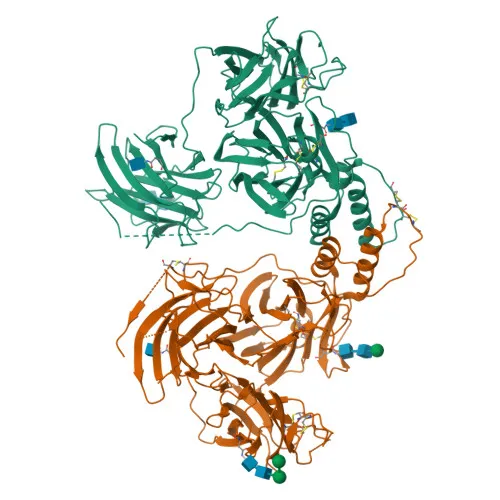
- DBH (Dopamine beta-hydroxylase) is a copper-containing monooxygenase that catalyzes the conversion of dopamine to noradrenaline, a key step in catecholamine biosynthesis.
- It is also known as dopamine beta-monooxygenase, and belongs to the copper type II ascorbate-dependent monooxygenase family.
- The enzyme requires vitamin C (ascorbate) as a cofactor and molecular oxygen for its catalytic activity.
- DBH is localized primarily within secretory vesicles, including chromaffin granules of the adrenal medulla and large dense-core vesicles in neurons, where it is found both in soluble and membrane-associated forms.
- The protein is a glycoprotein with disulfide bonds and a single transmembrane helix, indicating its anchoring to the vesicle membrane.
- Post-translational modifications include glycosylation, and it contains several copper-binding sites essential for enzymatic function.
- DBH is detectable in serum and cerebrospinal fluid due to its secretion from neuroendocrine cells, and its activity is often used as a marker for sympathetic nervous system function.
- The human DBH gene encodes a 69kDa protein (calculated), and it is highly expressed in adrenergic neurons and the adrenal medulla.
Experimental Guidance and Technical Tips
- For Western blotting, consider testing a range of antibody dilutions (e.g., 1:500–1:2000) to optimize signal. The immunogen is derived from the N-terminal region (aa1-200), so be aware of epitope accessibility if using denaturing versus non-denaturing conditions.
- Validate the antibody’s reactivity in relevant human, mouse, and rat tissues, as cross-reactivity is expected based on sequence homology in the immunogen region.
- For ELISA, direct coating of the peptide antigen or recombinant DBH protein may be employed. Perform a pilot experiment to determine the optimal coating concentration and antibody dilution.
CamelBio: Your One-Stop Sourcing Bridge
CamelBio provides diagnostic manufacturers and research labs with access to high-quality IVD raw materials and technical support. This anti-DBH polyclonal antibody is ideal for neuroscience and catecholamine research applications. In addition to validated antibodies, we offer bulk ancillary reagents and can assist with sourcing rare targets for assay development.
Product Datasheet
Anti-Dopamine beta-hydroxylase (DBH) Rabbit Polyclonal Antibody for WB, ELISA - P09172
REQUEST A QUOTE
Our professional team will reply to you within one business day. Please feel free to contact us!