Monoclonal Antibodies
Anti-DLX3 (AI4, TDO) Rabbit Monoclonal Antibody for WB, ELISA - O60479
Item Number : CM0002227
Price varies based on specs and customizations
- Application
- WB, ELISA
- Cross Reactivity
- Human, Mouse
- Protein Weight
- 32kDa

Shipping:
Contact us to get shipping details Enjoy On-time Dispatch Guarantee.
Why Choose Us
Easy ordering process, quality products, and dedicated support for your business success.
Core Product Specifications and Parameters
| Parameter | Value |
|---|---|
| Product Name | DLX3 Rabbit mAb |
| Remarks/Alias | AI4; TDO; DLX3 |
| Species | Human |
| GeneID | 1747 |
| Immunogen | A synthetic peptide corresponding to a sequence within amino acids 188-287 of human DLX3 (O60479) |
| Source | Rabbit |
| Category | Monoclonal Antibodies |
| Application | WB, ELISA |
| Cross Reactivity | Human, Mouse |
| SWISS | O60479 |
| Protein Weight | 32kDa |
| Shipping | Ice bag |
Biological Background: DLX3 Function and Localization
- Homeobox protein DLX-3 (also designated AI4 and TDO) belongs to the distal-less homeobox transcription factor family, which plays pivotal roles in embryonic patterning and organogenesis.
- DLX3 likely functions as a transcriptional activator; it has been shown to regulate gonadotropin-releasing hormone receptor (GNRHR) expression by binding to the downstream activin regulatory element (DARE) in the gene promoter (by similarity).
- The protein localizes to both the nucleus and cytoplasm, enabling it to shuttle between these compartments and modulate gene expression in response to cellular signals.
- As a homeobox protein, DLX3 contains a conserved homeodomain that mediates sequence-specific DNA binding, allowing it to control target gene transcription.
- It is essential for normal development of epithelial appendages, including teeth and hair follicles; mutations in DLX3 are associated with amelogenesis imperfecta, a disorder of enamel formation.
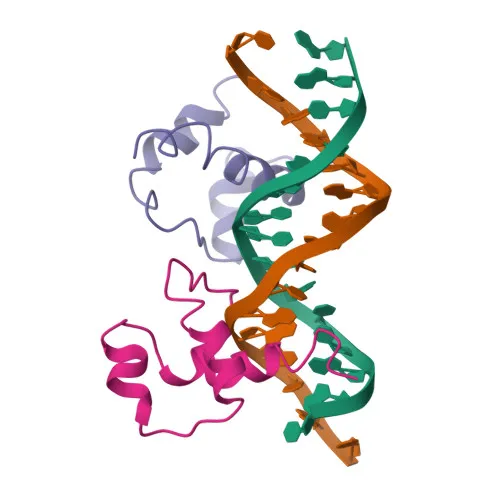
- The three-dimensional structure of DLX3 has been solved, providing insights into its DNA recognition mechanism and protein–protein interactions.
Experimental Guidance and Technical Tips
- The immunogen (aa 188–287) lies within the C‑terminal region; verify that this epitope is conserved in mouse, as cross‑reactivity has been confirmed.
- For western blotting, a band of approximately 32 kDa is expected; use a relevant positive control (e.g., human or mouse cell line known to express DLX3) and an appropriate loading control.
- In ELISA, consider coating with the immunogenic peptide as a positive control and performing a competition assay with the immunogen to confirm specificity.
- Because DLX3 expression may be tissue‑ or developmental‑stage‑specific, pre‑validate the antibody in your sample system before large‑scale experiments.
CamelBio: Your One-Stop Sourcing Bridge
CamelBio serves as a comprehensive IVD raw‑material partner, offering diagnostic manufacturers and research labs one‑stop access to validated antibodies, optimized reagent pairs, and bulk ancillary reagents. This DLX3 antibody supports transcriptional regulation and developmental biology studies, fitting seamlessly into rare‑target sourcing workflows. Explore our extensive catalog to accelerate your next project from concept to clinic.
Product Datasheet
Anti-DLX3 (AI4, TDO) Rabbit Monoclonal Antibody for WB, ELISA - O60479
REQUEST A QUOTE
Our professional team will reply to you within one business day. Please feel free to contact us!