Polyclonal Antibodies
Anti-DJ-1/PARK7 Polyclonal Antibody for WB, IHC-P, IF/ICC, ELISA - Q99497
Item Number : CM0021458
Price varies based on specs and customizations
- Application
- WB, IHC-P, IF/ICC, ELISA
- Cross Reactivity
- Human, Mouse, Rat
- Protein Weight
- 20kDa

Shipping:
Contact us to get shipping details Enjoy On-time Dispatch Guarantee.
Why Choose Us
Easy ordering process, quality products, and dedicated support for your business success.
Core Product Specifications and Parameters
| Parameter | Value |
|---|---|
| Product Name | DJ-1/PARK7 Rabbit pAb |
| Remarks/Alias | DJ1; DJ-1; GATD2; HEL-S-67p; DJ-1/PARK7 |
| Species | Human |
| Gene ID (Human) | 11315 |
| Gene ID | 11315 |
| Immunogen | Recombinant fusion protein containing a sequence corresponding to amino acids 1-189 of human DJ-1/PARK7 (NP_009193.2) |
| Source | Rabbit |
| Category | Polyclonal Antibodies |
| Application | WB, IHC-P, IF/ICC, ELISA |
| Cross Reactivity | Human, Mouse, Rat |
| SWISS | Q99497 |
| Protein Weight | 20kDa |
| Shipping | Ice bag |
Biological Background: DJ-1/PARK7 Function and Localization
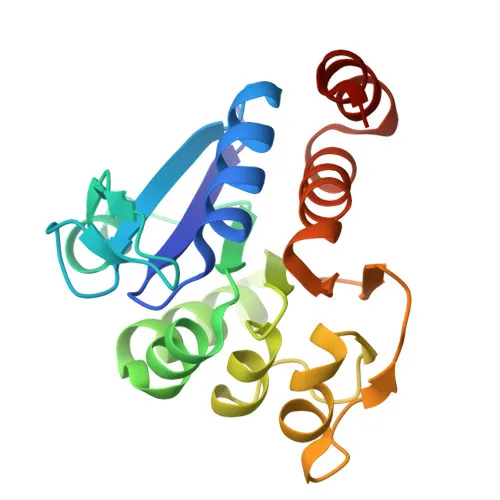
- DJ-1/PARK7 is a multifunctional protein that plays a critical role in cellular protection against oxidative stress and acts as an oxidative stress sensor and redox-sensitive chaperone. It is involved in neuroprotective mechanisms, including stabilization of NFE2L2 and PINK1 proteins, and modulates NF-kappa-B signaling pathway (PubMed:12796482, PubMed:17015834, PubMed:18711745, PubMed:12612053, PubMed:14749723, PubMed:15502874). Related references: PMID:12796482, PMID:17015834, PMID:18711745, PMID:12612053, PMID:14749723, PMID:15502874
- It has been described as a protein and nucleotide deglycase that repairs methylglyoxal- and glyoxal-glycated proteins and nucleotides, though this function is contested by some studies. It acts on early glycation intermediates to prevent advanced glycation endproducts (AGEs) (PubMed:25416785, PubMed:28596309, PubMed:27903648, PubMed:31653696). Related references: PMID:25416785, PMID:28596309, PMID:27903648, PMID:31653696
- DJ-1 protects histones from methylglyoxal-induced adduction and restores histone modifications, thereby maintaining chromatin architecture and epigenetic regulation (PubMed:30150385, PubMed:30894531). Related references: PMID:30150385, PMID:30894531
- It eliminates hydrogen peroxide and protects cells against hydrogen peroxide-induced cell death, and is required for correct mitochondrial morphology and autophagy of dysfunctional mitochondria (PubMed:16390825, PubMed:16632486, PubMed:19229105). Related references: PMID:16390825, PMID:16632486, PMID:19229105
- The protein is highly expressed in pancreas, kidney, skeletal muscle, liver, testis, and heart, with slightly lower levels in placenta and brain. It is detected in various cell types including astrocytes, Sertoli cells, and pancreatic islets.
- Subcellularly, DJ-1 localizes to the cell membrane, cytoplasm, nucleus, membrane rafts, mitochondria, and endoplasmic reticulum, reflecting its diverse functional roles.
- Additional functions include RNA binding and translational regulation, metal-ion binding (copper and mercury) for cytoprotection, and regulation of astrocyte inflammatory responses (PubMed:18626009, PubMed:23792957, PubMed:23847046). Related references: PMID:18626009, PMID:23792957, PMID:23847046
- Key biological processes associated with DJ-1 include autophagy, DNA repair, inflammatory response, and stress response, with implications in neurodegeneration, Parkinson's disease, and tumor suppression.
Experimental Guidance and Technical Tips
- The immunogen spans virtually the full-length human DJ-1 (aa 1-189), making this antibody suitable for detecting total DJ-1 in various assays. Validate specificity using knockout or siRNA-treated samples.
- For Western blotting (WB), a band at approximately 20 kDa is expected. Use appropriate reducing conditions and loading controls; consider using tissues with high DJ-1 expression (e.g., pancreas, kidney, testis) as positive controls.
- For immunohistochemistry (IHC-P), tissues with known high expression (e.g., pancreas, kidney) are recommended for initial optimization. Antigen retrieval and detection conditions should be empirically determined.
- For immunofluorescence (IF/ICC), DJ-1’s broad subcellular distribution (cytoplasm, nucleus, mitochondria) may require co-staining with organelle markers to confirm localization. Fixation and permeabilization conditions will affect staining patterns.
- For ELISA, this polyclonal antibody may be used as a capture or detection reagent. Pair with a suitable monoclonal antibody for sandwich ELISA development; cross-reactivity to mouse and rat DJ-1 should be accounted for in species-specific assays.
- This antibody has reported cross-reactivity with mouse and rat, but always verify in your specific experimental system, as epitope conservation may affect signal intensity.
CamelBio: Your One-Stop Sourcing Bridge
CamelBio is your integrated partner for IVD raw material procurement, connecting diagnostic manufacturers and research laboratories with validated antibodies, antigen pairs, and ancillary reagents. This DJ-1/PARK7 polyclonal antibody supports oxidative stress, neurodegeneration, and deglycase-related research and assay development. Beyond this product, we offer one-stop access to custom antibody development, optimized monoclonal antibodies, and bulk reagent supply to streamline your diagnostic pipeline from concept to clinic.
Product Datasheet
Anti-DJ-1/PARK7 Polyclonal Antibody for WB, IHC-P, IF/ICC, ELISA - Q99497
REQUEST A QUOTE
Our professional team will reply to you within one business day. Please feel free to contact us!