Polyclonal Antibodies
Anti-DHRS1 Polyclonal Antibody for WB and ELISA - Q96LJ7
Item Number : CM0022213
Price varies based on specs and customizations
- Application
- WB, ELISA
- Cross Reactivity
- Mouse
- Protein Weight
- 34kDa

Shipping:
Contact us to get shipping details Enjoy On-time Dispatch Guarantee.
Why Choose Us
Easy ordering process, quality products, and dedicated support for your business success.
Core Product Specifications and Parameters
| Parameter | Value |
|---|---|
| Product Name | DHRS1 Rabbit pAb |
| Remarks/Alias | SDR19C1; DHRS1 |
| Species | Human |
| Gene ID | 115817 |
| Immunogen | Recombinant protein corresponding to amino acids 1-262 of human DHRS1 (NP_001129522.1) |
| Source | Rabbit |
| Category | Polyclonal Antibodies |
| Application | WB, ELISA |
| Cross Reactivity | Mouse |
| SWISS | Q96LJ7 |
| Protein Weight | 34kDa |
| Shipping | Ice bag |
Biological Background: DHRS1 Function and Localization
- DHRS1 (also known as SDR19C1) is a member of the short-chain dehydrogenase/reductase (SDR) superfamily, which encompasses NAD(P)(H)-dependent oxidoreductases involved in diverse metabolic processes.
- It functions as an NADPH-dependent oxidoreductase that catalyzes the reduction of various substrates in vitro, including steroids (estrone, androstene-3,17-dione, cortisone), prostaglandin E1, isatin, and xenobiotics, suggesting a role in steroid and xenobiotic metabolism.
Related references: PMID:30031147 - DHRS1 localizes to the endoplasmic reticulum, consistent with its involvement in lipid and steroid metabolism pathways.
- Tissue expression analysis reveals DHRS1 in heart, liver, adrenal glands, and at lower levels in skeletal muscle, kidney, pancreas, and brain, indicating broad but differential metabolic functions.
- Post-translational modifications including acetylation and methylation have been annotated, which may regulate its activity or stability.
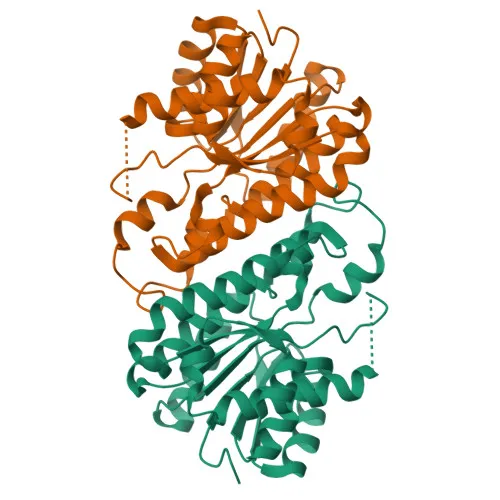
- The protein is classified under keywords such as 3D-structure, NAD, and oxidoreductase, highlighting its enzymatic role and structural characterization.
Experimental Guidance and Technical Tips
- The immunogen encompasses the full-length human DHRS1 (residues 1–262), making this antibody well suited for detecting both native and denatured forms of the protein.
- For Western blot, consider using lysates from heart, liver, or adrenal gland tissues where DHRS1 is highly expressed; a band around 34 kDa is expected.
- In ELISA applications, this polyclonal antibody can serve as either a capture or detection reagent; however, optimal coating and pairing conditions should be empirically determined.
- Cross-reactivity with mouse DHRS1 is indicated; confirm reactivity in mouse-derived samples if interspecies studies are planned.
CamelBio: Your One-Stop Sourcing Bridge
CamelBio connects diagnostic developers and research teams with quality raw materials for every stage of assay development. This DHRS1 polyclonal antibody exemplifies our commitment to supplying reliable reagents for steroid and xenobiotic metabolism studies. Beyond individual antibodies, we offer validated antibody pairs, bulk ancillary reagents, and customized sourcing for rare targets to streamline your IVD pipeline.
REQUEST A QUOTE
Our professional team will reply to you within one business day. Please feel free to contact us!