Polyclonal Antibodies
Anti-DDX39A Rabbit Polyclonal Antibody - O00148
Item Number : CM0030473
Price varies based on specs and customizations
- Application
- WB, IHC-P, IF/ICC, ELISA
- Cross Reactivity
- Human, Mouse, Rat
- Protein Weight
- 49kDa

Shipping:
Contact us to get shipping details Enjoy On-time Dispatch Guarantee.
Why Choose Us
Easy ordering process, quality products, and dedicated support for your business success.
Core Product Specifications and Parameters
| Parameter | Value |
|---|---|
| Product Name | DDX39A Rabbit pAb |
| Remarks/Alias | BAT1; DDXL; BAT1L; DDX39; URH49; DDX39A |
| Species | Human |
| GeneID (Human) | 10212 |
| Immunogen | Synthetic peptide - A synthetic peptide corresponding to a sequence within amino acids 1-100 of human DDX39A (NP_005795.2). |
| Source | Rabbit |
| Category | Polyclonal Antibodies |
| Application | WB, IHC-P, IF/ICC, ELISA |
| Cross Reactivity | Human, Mouse, Rat |
| SWISS | O00148 |
| Protein Weight | 49kDa |
| Shipping | Ice bag |
Biological Background: DDX39A Function and Localization
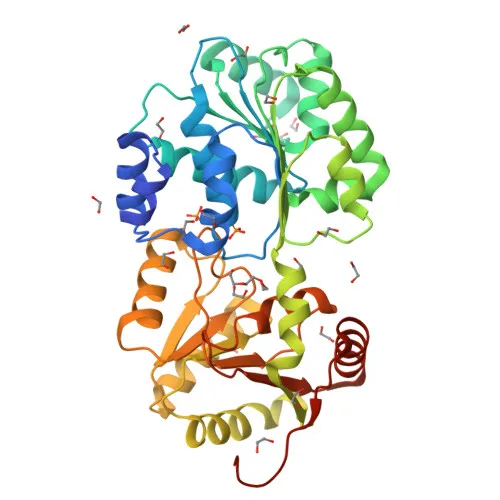
- DDX39A is a member of the DEAD box family of ATP-dependent RNA helicases, possessing ATP-binding and RNA-unwinding activities.
- It plays an essential role in mRNA export and alternative splicing; nuclear export of mRNA is mediated, in part, by its interaction with ECD. Related references: PMID:33941617, PMID:38801080
- The helicase also participates in U snRNA export by stimulating the RNA-binding capability of the PHAX adapter protein. Related references: PMID:39011894
- DDX39A negatively regulates type I interferon production by retaining antiviral transcripts in the nucleus, thereby reducing their translation. Related references: PMID:32393512
- Independently of interferon signaling, it directly inhibits alphavirus replication by binding to a conserved 5′ sequence element in the viral RNA genome. Related references: PMID:37949067
- The protein is predominantly nuclear but also found in the cytoplasm, reflecting its nucleocytoplasmic shuttling role.
- Tissue expression includes testis and lower levels in brain, kidney, lung, thymus, spleen, and salivary gland.
- Post-translational modifications, such as acetylation, phosphorylation, and ubiquitin-like conjugation, are predicted to regulate its stability and function.
Experimental Guidance and Technical Tips
- The immunogen is a synthetic peptide corresponding to the N-terminal region (amino acids 1-100) of human DDX39A; this segment may be conserved in mouse and rat, consistent with the observed cross-reactivity.
- For Western blotting, the endogenous protein migrates at approximately 49 kDa; confirm the band size using appropriate molecular weight markers and consider the possibility of post-translationally modified forms.
- In immunoprecipitation, immunofluorescence, and immunohistochemistry, test different fixation and permeabilization protocols to preserve the nuclear and cytoplasmic distribution of DDX39A.
- When applying the antibody to ELISA, include proper controls to account for any background from the polyclonal rabbit serum.
- Validate antibody performance in the target species and tissue type, as expression levels vary (highest in testis, lower in brain, kidney, lung, thymus, spleen, and salivary gland).
CamelBio: Your One-Stop Sourcing Bridge
CamelBio provides diagnostic manufacturers, laboratories, and research institutes with one-stop access to IVD raw materials, technical services, and consulting—covering every stage from concept to clinic. As a trusted partner in the DDX39A research area, we offer validated antibody pairs, optimized monoclonal/polyclonal antibodies, bulk ancillary reagents, and rare target raw-material sourcing to accelerate your assay development. Whether you require conjugation services, custom antibody production, or specialized technical support, CamelBio bridges procurement gaps for reliable, scalable solutions.
REQUEST A QUOTE
Our professional team will reply to you within one business day. Please feel free to contact us!