Polyclonal Antibodies
Anti-DDT Rabbit Polyclonal Antibody for WB, ELISA - P30046
Item Number : CM0027223
Price varies based on specs and customizations
- Application
- WB, ELISA
- Cross Reactivity
- Human, Mouse, Rat
- Protein Weight
- 13kDa

Shipping:
Contact us to get shipping details Enjoy On-time Dispatch Guarantee.
Why Choose Us
Easy ordering process, quality products, and dedicated support for your business success.
Core Product Specifications and Parameters
| Parameter | Value |
|---|---|
| Product Name | DDT Rabbit pAb |
| Remarks/Alias | D-DT; DDCT; MIF2; MIF-2; DDT |
| Species | Human |
| GeneID (Human) | 1652 |
| GeneID | 1652 |
| Immunogen | Recombinant protein|Recombinant fusion protein containing a sequence corresponding to amino acids 1-118 of human DDT (NP_001346.1). |
| Source | Rabbit |
| Category | Polyclonal Antibodies |
| Application | WB, ELISA |
| Cross Reactivity | Human, Mouse, Rat |
| SWISS | P30046 |
| Protein Weight | 13kDa |
| Shipping | Ice bag |
Biological Background: DDT Function and Localization
- D-dopachrome decarboxylase (DDT), also known as D-dopachrome tautomerase, phenylpyruvate tautomerase II, and macrophage migration inhibitory factor 2 (MIF-2), is a member of the macrophage migration inhibitory factor (MIF) family. Multiple isoforms are produced by alternative splicing.
- DDT catalyzes the tautomerization of D-dopachrome with concomitant decarboxylation to yield 5,6-dihydroxyindole (DHI), a key intermediate in melanin biosynthesis.
- It functions as a lyase and is classified under the melanin biosynthesis pathway.
- The protein is primarily localized in the cytoplasm.
- DDT is highly expressed in the liver, with lower levels detected in the heart, lung, and pancreas.
- Post-translational modifications include acetylation, and the protein has been confirmed by proteomics identification and direct protein sequencing.
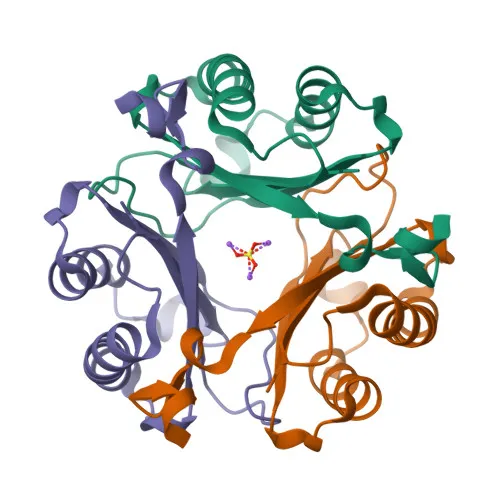
- The 3D structure of DDT has been resolved, providing insights into its catalytic mechanism.
Experimental Guidance and Technical Tips
- The immunogen consists of a recombinant protein covering amino acids 1–118 of human DDT (full-length), suggesting the polyclonal antibody recognizes multiple epitopes across the entire protein.
- For Western blotting, DDT has a predicted molecular weight of approximately 13 kDa; consider using a high-percentage gel (e.g., 15%) and a suitable membrane with small pore size (0.2 µm) to prevent loss during transfer.
- While the antibody is supplied for WB and ELISA, optimal dilutions should be determined empirically in the target sample matrix. If background is high, consider reducing antibody concentration or increasing blocking steps.
- Given the reported cross-reactivity with human, mouse, and rat, the antibody may be suitable for studies in these species. Validate expression in relevant tissues such as liver, heart, lung, or pancreas.
- As a polyclonal antibody, lot-to-lot variability may occur; include appropriate controls for consistency.
- For immunofluorescence or other applications not listed, additional validation is recommended.
CamelBio: Your One-Stop Sourcing Bridge
CamelBio serves as a one-stop sourcing partner for IVD raw materials, supporting diagnostic manufacturers, laboratories, and research institutes from concept to clinic. This DDT antibody addresses a target in melanin biosynthesis with emerging biomarker potential, and CamelBio can extend your workflow with validated antibody pairs, optimized monoclonal/polyclonal antibodies, bulk ancillary reagents, and rare-target raw-material sourcing. Whether you need custom production or ready-to-use formulations, we help connect your R&D needs with reliable supply solutions.
REQUEST A QUOTE
Our professional team will reply to you within one business day. Please feel free to contact us!