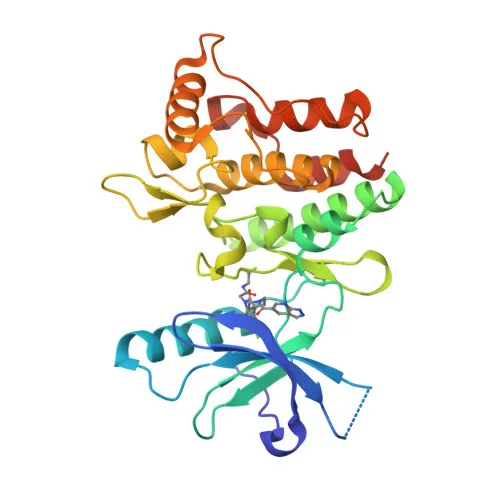
Polyclonal Antibodies
Anti-DDR2 Rabbit Polyclonal Antibody for WB, ELISA - Q16832
Item Number : CM0012945
Price varies based on specs and customizations
- Application
- WB, ELISA
- Cross Reactivity
- Human, Mouse, Rat
- Protein Weight
- 97kDa

Shipping:
Contact us to get shipping details Enjoy On-time Dispatch Guarantee.
Why Choose Us
Easy ordering process, quality products, and dedicated support for your business success.
Core Product Specifications and Parameters
| Parameter | Specification |
|---|---|
| Product Name | DDR2 Rabbit pAb |
| Remarks/Alias | TKT; WRCN; MIG20a; NTRKR3; TYRO10; DDR2 |
| Species | Human |
| Gene ID (Human) | 4921 |
| Gene ID | 4921 |
| Immunogen | Recombinant fusion protein containing a sequence corresponding to amino acids 290-400 of human DDR2 (NP_001014796.1) |
| Source | Rabbit |
| Category | Polyclonal Antibodies |
| Application | WB, ELISA |
| Cross Reactivity | Human, Mouse, Rat |
| SWISS | Q16832 |
| Protein Weight | 97kDa |
| Shipping | Ice bag |
Biological Background: DDR2 Function and Localization
- DDR2 (Discoidin domain-containing receptor 2) is a receptor tyrosine kinase belonging to the DDR family, also known as CD167b, TKT, TYRO10, and NTRKR3.
- Acts as a cell surface receptor for fibrillar collagen, playing a critical role in regulating tissue remodeling, cell differentiation, extracellular matrix remodeling, migration, and proliferation (PubMed:30449416). Related references: PMID:30449416
- Functions in bone development by regulating osteoblast differentiation and chondrocyte maturation through a MAP kinase pathway that activates the transcription factor RUNX2.
- Upregulates matrix metalloproteinases MMP1, MMP2, and MMP13, facilitating cell migration and tumor cell invasion.
- Promotes fibroblast migration and proliferation, contributing to cutaneous wound healing.
- Subcellular localization: primarily at the cell membrane, consistent with its role as a transmembrane receptor.
- Tissue expression: high levels in heart and lung; low levels in brain, placenta, liver, skeletal muscle, pancreas, and kidney; also detected in bone-related cells such as osteocytes and osteoblasts.
- Contains key structural features including a signal peptide, discoidin domain, transmembrane helix, and tyrosine kinase domain, with functional sites for ATP binding and phosphorylation.
Experimental Guidance and Technical Tips
- The polyclonal antibody was raised against a recombinant fragment covering amino acids 290–400 of human DDR2; confirm sequence conservation in mouse and rat if cross-reactivity is critical for your experiments.
- For Western blotting, a band around 97 kDa corresponding to full-length DDR2 is anticipated; include appropriate positive and negative controls and use a suitable molecular weight marker.
- For ELISA applications, optimize coating antigen concentration and antibody dilution to achieve the desired sensitivity and specificity.
- Perform a titration experiment to determine the optimal antibody dilution for your specific sample type and detection system.
- As a polyclonal antibody, lot-to-lot consistency may vary; for long-term studies, consider reserving a single lot to minimize variability.
CamelBio: Your One-Stop Sourcing Bridge
CamelBio provides diagnostic manufacturers, laboratories, and research institutes with efficient access to a wide range of IVD raw materials, including validated antibodies such as this anti-DDR2 polyclonal antibody. Our supply network supports bulk ancillary reagents and rare target sourcing, facilitating research in tissue remodeling, oncology, and skeletal development. Leverage our integrated procurement and technical support services to accelerate your assay development from concept to clinic.
REQUEST A QUOTE
Our professional team will reply to you within one business day. Please feel free to contact us!