Polyclonal Antibodies
Anti-DCXR Polyclonal Antibody for WB and ELISA - Q7Z4W1
Item Number : CM0025949
Price varies based on specs and customizations
- Application
- WB, ELISA
- Cross Reactivity
- Human, Mouse, Rat
- Protein Weight
- 26kDa

Shipping:
Contact us to get shipping details Enjoy On-time Dispatch Guarantee.
Why Choose Us
Easy ordering process, quality products, and dedicated support for your business success.
Core Product Specifications and Parameters
| Parameter | Value |
|---|---|
| Product Name | DCXR Rabbit pAb |
| Remarks/Alias | XR; DCR; HCR2; P34H; HCRII; KIDCR; PNTSU; SDR20C1; DCXR |
| Species | Human |
| Gene ID (Human) | 51181 |
| Gene ID | 51181 |
| Immunogen | Recombinant fusion protein containing a sequence corresponding to amino acids 1-244 of human DCXR (NP_057370.1) |
| Source | Rabbit |
| Category | Polyclonal Antibodies |
| Application | WB, ELISA |
| Cross Reactivity | Human, Mouse, Rat |
| SWISS | Q7Z4W1 |
| Protein Weight | 26kDa |
| Shipping | Ice bag |
Biological Background: DCXR Function and Localization
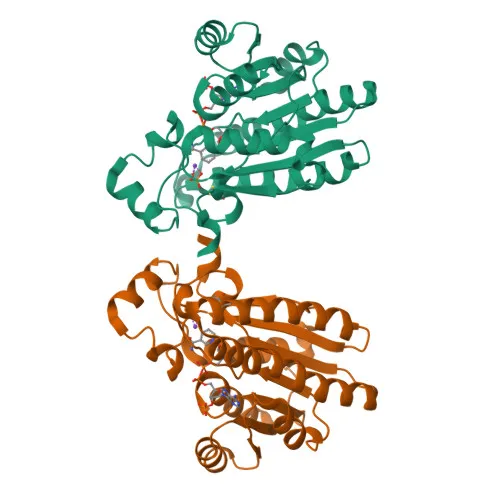
- DCXR (L-xylulose reductase), also known as kidney dicarbonyl reductase (kiDCR) or sperm surface protein P34H, is a member of the short-chain dehydrogenase/reductase (SDR) family.
- Catalyzes the NADPH-dependent reduction of several pentoses, tetroses, trioses, alpha-dicarbonyl compounds and L-xylulose, playing a key role in carbohydrate metabolism. Related references: PMID:11882650, PMID:19337691, PMID:40737316
- Can utilize both NAD and NADP as cosubstrates, but exhibits higher enzymatic activity with NADP, highlighting its physiological reductant preference. Related references: PMID:11882650
- Participates in the uronate cycle of glucose metabolism, contributing to the detoxification of carbonyl compounds and sugar acid processing. Related references: PMID:11882650
- May support cellular osmoregulation in proximal renal tubules by producing xylitol, an osmolyte that helps prevent osmotic stress. Related references: PMID:11882650
- Subcellular localization includes the apical cell membrane, cytoplasmic vesicles, and secretory vesicles such as the acrosome, suggesting roles in membrane trafficking and sperm function.
- Highly expressed in kidney, liver, and epididymis; within the epididymis, expression is prominent in the proximal and distal corpus regions. Related references: PMID:11882650, PMID:10385429
- Post-translational modifications include acetylation, methylation, and phosphorylation, as evidenced by proteomics identifications and direct protein sequencing.
Experimental Guidance and Technical Tips
- The immunogen spans the full-length human DCXR protein (aa 1-244); therefore, the antibody is expected to recognize the native and denatured forms of DCXR in WB and ELISA applications.
- For WB analysis, consider using positive control lysates from human, mouse, or rat kidney, liver, or epididymis tissues, and validate band specificity at the predicted molecular weight of ~26 kDa.
- In ELISA, optimize coating antigen concentration and detection system parameters, and confirm cross-reactivity against mouse and rat DCXR orthologs if species-specific detection is required.
- Since the antibody is a polyclonal, batch-to-batch variability should be assessed by routine quality control testing in the end-user's experimental system.
CamelBio: Your One-Stop Sourcing Bridge
CamelBio streamlines access to high-quality IVD raw materials, including validated antibody pairs, optimized monoclonal/polyclonal antibodies, and bulk ancillary reagents. For DCXR-related research in glucose metabolism, osmoregulation, and carbonyl detoxification, we offer reliable supply solutions and technical consultation to accelerate your assay development. Contact us for customized sourcing of rare targets or large-scale procurement needs.
REQUEST A QUOTE
Our professional team will reply to you within one business day. Please feel free to contact us!