Polyclonal Antibodies
Anti-DCPS Polyclonal Antibody for WB, ELISA - Q96C86
Item Number : CM0013629
Price varies based on specs and customizations
- Application
- WB, ELISA
- Cross Reactivity
- Human, Mouse
- Protein Weight
- 39kDa

Shipping:
Contact us to get shipping details Enjoy On-time Dispatch Guarantee.
Why Choose Us
Easy ordering process, quality products, and dedicated support for your business success.
Core Product Specifications and Parameters
| Parameter | Value |
|---|---|
| Product Name | DCPS Rabbit Polyclonal Antibody |
| Remarks/Alias | ARS; DCS1; HSL1; HINT5; HINT-5; HSPC015; DCPS |
| Species | Human |
| GeneID | 28960 |
| Immunogen | Recombinant fusion protein containing a sequence corresponding to amino acids 1-270 of human DCPS (NP_054745.1). |
| Source | Rabbit |
| Category | Polyclonal Antibodies |
| Application | WB, ELISA |
| Cross Reactivity | Human, Mouse |
| SWISS | Q96C86 |
| Protein Weight | 39kDa |
| Shipping | Ice bag |
Biological Background: DCPS Function and Localization
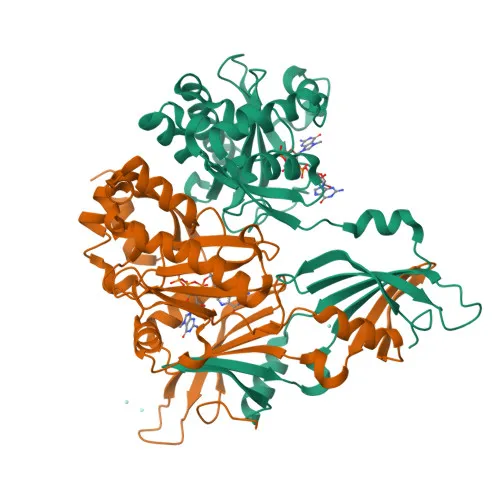
- DCPS (decapping scavenger enzyme) is a m7GpppX diphosphatase belonging to the histidine triad (HIT) protein family, also known as DCS1, HINT5, or DCS-1.
- The enzyme catalyzes the cleavage of residual cap structures following 3'->5' exosome-mediated mRNA decay, hydrolyzing capped oligoribonucleotides (up to 10 nt) to release 5'-phosphorylated RNA fragments and 7-methylguanosine monophosphate (m7GMP).
- DCPS does not hydrolyze unmethylated cap analog (GpppG) or full-length capped mRNAs longer than 25 nucleotides, and it converts m7GDP to m7GMP in the 5'->3' mRNA decay pathway.
Related references: PMID:22985415 PMID:14523240 - The protein localizes to both cytoplasm and nucleus, consistent with its involvement in mRNA surveillance pathways.
- It binds strongly to m7GpppG and m7GDP, and plays a role in first intron splicing of pre-mRNAs.
- DCPS inhibits activation-induced cell death, linking mRNA metabolism to cellular survival.
- Tissue expression is detected in liver, brain, kidney, testis, and prostate.
- Post-translational modifications include acetylation and phosphorylation, and mutations are associated with intellectual disability.
Experimental Guidance and Technical Tips
- For Western blot, expect a band at approximately 39 kDa in human and mouse cell lysates. Consider optimizing antibody dilution for your sample type.
- For ELISA, use a standard curve with recombinant DCPS protein and validate the assay with appropriate positive and negative controls.
- The immunogen covers the N-terminal region (aa 1–270); validate antibody specificity using knockout or knockdown cell lines if possible.
- Cross-reactivity with mouse enables translational studies; confirm species-specific detection in mixed-species samples.
CamelBio: Your One-Stop Sourcing Bridge
CamelBio provides diagnostic manufacturers, labs, and research institutes with one-stop access to IVD raw materials, technical services, and consulting—covering every stage from concept to clinic. We supply validated antibody pairs, optimized polyclonal antibodies like this DCPS antibody, and ancillary reagents for mRNA metabolism and splicing research. Our sourcing capabilities extend to rare targets, enabling reliable bulk procurement for your diagnostic development needs.
REQUEST A QUOTE
Our professional team will reply to you within one business day. Please feel free to contact us!