Polyclonal Antibodies
Anti-DCP1A Rabbit Polyclonal Antibody for WB, ELISA - Q9NPI6
Item Number : CM0029338
Price varies based on specs and customizations
- Application
- WB, ELISA
- Cross Reactivity
- Human, Mouse, Rat
- Protein Weight
- 63kDa

Shipping:
Contact us to get shipping details Enjoy On-time Dispatch Guarantee.
Why Choose Us
Easy ordering process, quality products, and dedicated support for your business success.
Core Product Specifications and Parameters
| Parameter | Value |
|---|---|
| Product Name | DCP1A Rabbit pAb |
| Remarks/Alias | SMIF; SMAD4IP1; HSA275986; Nbla00360; DCP1A |
| Species | Human |
| GeneID (Human) | 55802 |
| GeneID | 55802 |
| Immunogen | Recombinant fusion protein containing a sequence corresponding to amino acids 303-582 of human DCP1A (NP_060873.4) |
| Source | Rabbit |
| Category | Polyclonal Antibodies |
| Application | WB, ELISA |
| Cross Reactivity | Human, Mouse, Rat |
| SWISS | Q9NPI6 |
| Protein Weight | 63kDa |
| Shipping | Ice bag |
Biological Background: DCP1A Function and Localization
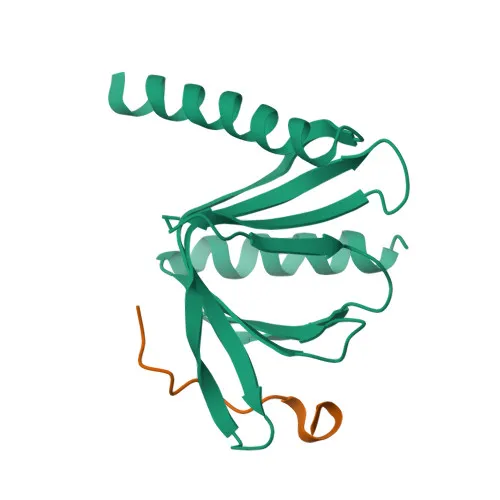
- DCP1A, also known as SMIF or SMAD4IP1, is a 582-amino acid protein encoded by the DCP1A gene and belongs to the mRNA decapping enzyme family.
- It is necessary for normal mRNA turnover and nonsense-mediated mRNA decay, catalyzing the removal of the 7-methylguanosine cap from mRNA to generate 5'-phosphorylated mRNA and 7m-GDP. Related references: PMID:12417715
- DCP1A acts as a transcriptional co-activator (SMIF) that enhances TGFB1-induced transactivation of target genes through interaction with SMAD4. Related references: PMID:11836524
- Essential for embryonic development, with genetic studies highlighting its critical role in early embryogenesis. Related references: PMID:33813271
- Subcellularly, DCP1A is predominantly cytoplasmic and localizes to processing bodies (P-bodies), but it is also detected in the nucleus.
- It is broadly expressed across tissues, including heart, brain, placenta, lung, skeletal muscle, liver, kidney, and pancreas.
- Post-translational modifications include phosphorylation and methylation, and the gene undergoes alternative splicing, contributing to functional diversity.
Experimental Guidance and Technical Tips
- The immunogen covers the C-terminal region (amino acids 303–582), which may aid in detecting full-length DCP1A and certain isoforms. For Western blot, consider using whole cell lysates from human, mouse, or rat tissues known to express DCP1A.
- When performing ELISA, titrate the antigen coating concentration and consider pairing with a suitable capture antibody for sandwich assays. Validate specificity by knockdown or overexpression in relevant cell lines.
- Due to its role in TGF-beta signaling, treat cells with TGFB1 to induce DCP1A transcriptional activity before sampling if studying its co-activator function.
CamelBio: Your One-Stop Sourcing Bridge
CamelBio is a comprehensive IVD raw material supplier, providing diagnostic manufacturers and researchers with validated antibodies, including this polyclonal antibody targeting DCP1A for investigations into mRNA metabolism and TGF-beta signaling. With expertise in antibody development, bulk reagent supply, and sourcing of rare targets, CamelBio supports every step from concept to clinical application.
REQUEST A QUOTE
Our professional team will reply to you within one business day. Please feel free to contact us!