Polyclonal Antibodies
Anti-DAD1 Rabbit Polyclonal Antibody (WB, ELISA) - P61803
Item Number : CM0018496
Price varies based on specs and customizations
- Application
- WB, ELISA
- Cross Reactivity
- Human, Mouse, Rat
- Protein Weight
- 12kDa

Shipping:
Contact us to get shipping details Enjoy On-time Dispatch Guarantee.
Why Choose Us
Easy ordering process, quality products, and dedicated support for your business success.
Core Product Specifications and Parameters
| Parameter | Value |
|---|---|
| Product Name | DAD1 Rabbit pAb |
| Remarks/Alias | OST2; DAD1 |
| Species | Human |
| GeneID (Human) | 1603 |
| GeneID | 1603 |
| Immunogen | Synthetic Peptide|A synthetic peptide corresponding to a sequence within amino acids 1-100 of human DAD1 (NP_001335.1). |
| Source | Rabbit |
| Category | Polyclonal Antibodies |
| Application | WB, ELISA |
| Cross Reactivity | Human, Mouse, Rat |
| SWISS | P61803 |
| Protein Weight | 12kDa |
| Shipping | Ice bag |
Biological Background: DAD1 Function and Localization
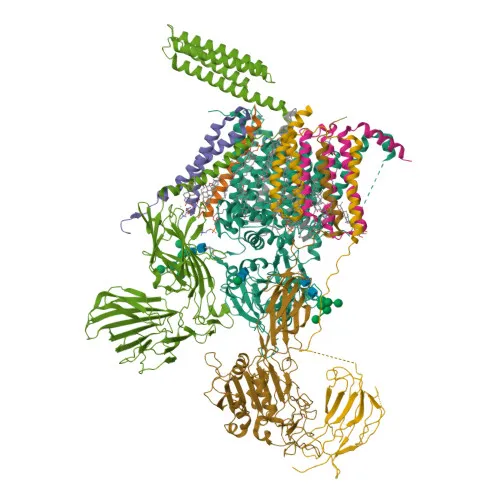
- Dolichyl-diphosphooligosaccharide--protein glycosyltransferase subunit DAD1, also known as defender against cell death 1 (DAD-1), is a 12 kDa transmembrane protein that belongs to the DAD/OST2 family.
- DAD1 is a subunit of the oligosaccharyl transferase (OST) complex, which catalyzes the transfer of a high-mannose glycan (Glc3Man9GlcNAc2) from dolichol-pyrophosphate to nascent polypeptide chains, initiating protein N-glycosylation in the endoplasmic reticulum. Related references: PMID:22467853 PMID:31831667
- The OST complex couples N-glycosylation to protein translocation via association with the Sec61 translocon, ensuring efficient cotranslational modification.
- DAD1 is essential for the assembly of both STT3A- and STT3B-containing OST complexes, which differ in substrate specificity and kinetics.
- Loss of DAD1 protein leads to apoptosis, highlighting its critical role in cell survival. Related references: PMID:22467853
- It is localized exclusively to the membrane of the endoplasmic reticulum, with a single-pass transmembrane topology.
- Post-translational modifications include N-terminal acetylation, and it has been identified as a reference proteome in multiple direct protein sequencing studies.
Experimental Guidance and Technical Tips
- For Western blot, a predominant band at approximately 12 kDa is expected; confirm specificity using DAD1-knockdown or knockout cell lysates.
- The antibody is raised against a synthetic peptide from the N-terminal region (residues 1-100), which may allow detection of unprocessed and processed forms; verify in the relevant species (human, mouse, rat).
- For ELISA applications, optimize coating conditions with the immunogen peptide or recombinant protein; evaluate cross-reactivity with related OST subunits.
- Polyclonal antibodies may exhibit lot-to-lot variability; include positive and negative controls in each experiment.
- Consider the ice bag shipping condition and aliquot the antibody upon arrival to avoid freeze-thaw cycles.
CamelBio: Your One-Stop Sourcing Bridge
CamelBio serves as a comprehensive sourcing bridge for IVD raw materials, providing validated antibody pairs, optimized polyclonal and monoclonal antibodies, bulk ancillary reagents, and rare target procurement to support diagnostic developers from concept to clinic. The DAD1 Rabbit pAb is a valuable tool for studying N-glycosylation, ER function, and apoptosis pathways. Explore our extensive portfolio for all your immunoassay raw material needs.
REQUEST A QUOTE
Our professional team will reply to you within one business day. Please feel free to contact us!