Polyclonal Antibodies
Anti-D2HGDH Polyclonal Antibody for WB and ELISA - Q8N465
Item Number : CM0024032
Price varies based on specs and customizations
- Application
- WB, ELISA
- Cross Reactivity
- Mouse, Rat
- Protein Weight
- 56kDa

Shipping:
Contact us to get shipping details Enjoy On-time Dispatch Guarantee.
Why Choose Us
Easy ordering process, quality products, and dedicated support for your business success.
Core Product Specifications and Parameters
| Parameter | Value |
|---|---|
| Product Name | D2HGDH Rabbit pAb |
| Remarks/Alias | D2HGD; D2HGDH |
| Species | Human |
| Gene ID | 728294 |
| Immunogen | Recombinant fusion protein containing amino acids 322-521 of human D2HGDH (NP_689996.4) |
| Source | Rabbit |
| Category | Polyclonal Antibodies |
| Application | WB, ELISA |
| Cross Reactivity | Mouse, Rat |
| SWISS | Q8N465 |
| Protein Weight | 56kDa |
| Shipping | Ice bag |
Biological Background: D2HGDH Function and Localization
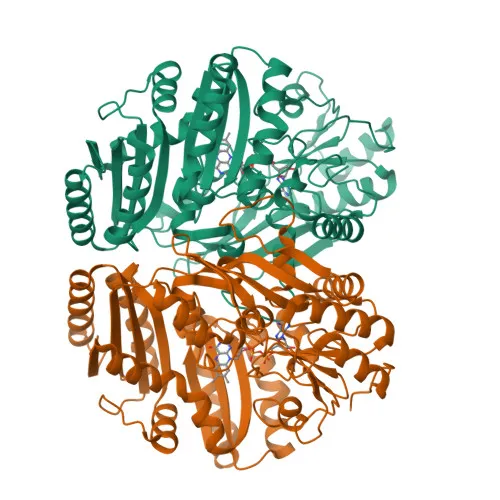
- D2HGDH (D-2-hydroxyglutarate dehydrogenase) is a mitochondrial enzyme that catalyzes the oxidation of D-2-hydroxyglutarate to α-ketoglutarate, a critical step in the metabolism of D-2-hydroxyacids. Related references: PMID:15070399 PMID:15609246 PMID:16037974
- The enzyme also accepts D-malate and D-lactate as substrates, exhibiting high activity toward D-malate but very weak activity toward D-lactate. Related references: PMID:33431826
- D2HGDH is a flavoprotein that requires FAD and zinc ion as cofactors for its catalytic activity.
- It is localized to the mitochondrial matrix, with an N-terminal transit peptide directing its import into the organelle.
- Alternative splicing generates multiple transcript variants, and the protein is readily identified in proteomics reference datasets.
- Mutations in the D2HGDH gene are associated with D-2-hydroxyglutaric aciduria, a severe neurometabolic disorder, highlighting its clinical significance.
Experimental Guidance and Technical Tips
- The immunogen corresponds to a C-terminal fragment (amino acids 322–521), so this polyclonal antibody is likely to detect both native and denatured D2HGDH.
- For Western blot, load 20–30 µg of reducing-denatured lysate from human, mouse, or rat samples and look for a band at approximately 56 kDa. Optimize the primary antibody dilution empirically.
- In ELISA, the antibody may be used as either a capture or detection reagent. Perform checkerboard titrations with your antigen to determine optimal working concentrations.
- Because lot-to-lot variability can occur with polyclonal antibodies, include appropriate positive and negative controls in every experiment.
CamelBio: Your One-Stop Sourcing Bridge
CamelBio is your dedicated partner for IVD raw materials, providing high-quality antibodies for metabolic targets such as D2HGDH, which is relevant in cancer metabolism and mitochondrial disease research. We offer off-the-shelf and custom solutions, including validated antibody pairs, bulk ancillary reagents, and sourcing for difficult-to-find targets—streamlining your assay development from concept to clinic.
REQUEST A QUOTE
Our professional team will reply to you within one business day. Please feel free to contact us!