Monoclonal Antibodies
Anti-Cystatin C Rabbit Monoclonal Antibody for WB, IF, IHC, ELISA - P01034
Item Number : CM0004964
Price varies based on specs and customizations
- Application
- WB, IF/ICC, IF-P, IHC-P, ELISA
- Cross Reactivity
- Human, Mouse
- Protein Weight
- 13kDa

Shipping:
Contact us to get shipping details Enjoy On-time Dispatch Guarantee.
Why Choose Us
Easy ordering process, quality products, and dedicated support for your business success.
Core Product Specifications and Parameters
| Parameter | Value |
|---|---|
| Product Name | Cystatin C Rabbit mAb |
| Remarks/Alias | ARMD11, HEL-S-2, Cystatin C |
| Species | Human |
| Gene ID | 1471 |
| Immunogen | Recombinant fusion protein containing a sequence corresponding to amino acids 1-146 of human Cystatin C (NP_000090.1) |
| Source | Rabbit |
| Category | Monoclonal Antibody |
| Application | WB, IF/ICC, IF-P, IHC-P, ELISA |
| Cross Reactivity | Human, Mouse |
| SWISS | P01034 |
| Protein Weight | 13kDa |
| Shipping | Ice bag |
Biological Background: Cystatin C Function and Localization
- Cystatin C, also known as cystatin-3, gamma-trace, neuroendocrine basic polypeptide, or post-gamma-globulin, is a secreted inhibitor of cysteine proteinases.
- It acts as a potent regulator of lysosomal cysteine proteases, such as cathepsins B, H, and L, thereby modulating protein degradation and antigen presentation.
- The protein is widely distributed in body fluids, with high concentrations in cerebrospinal fluid, seminal plasma, and blood plasma, and is also expressed in tissues including epididymis, vas deferens, brain, thymus, and ovary.
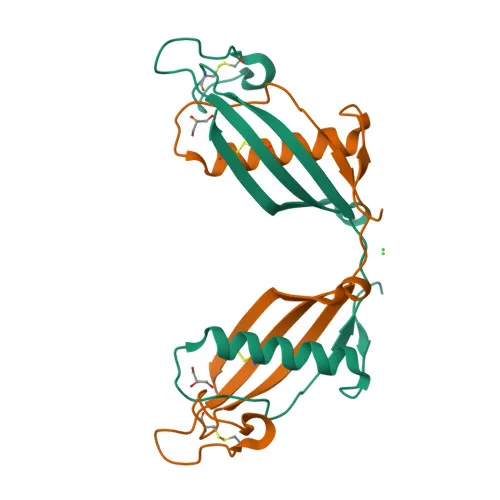
- Cystatin C is a low-molecular-weight (13 kDa) secreted glycoprotein with two intramolecular disulfide bonds, conferring structural stability; it also undergoes phosphorylation and glycation.
- Mutations in the CST3 gene are linked to hereditary cerebral amyloid angiopathy and age-related macular degeneration; the protein is a component of amyloid deposits in various amyloidoses.
- As a sensitive biomarker, serum Cystatin C levels inversely correlate with glomerular filtration rate, making it clinically useful for renal function assessment.
Experimental Guidance and Technical Tips
- The immunogen comprises the entire mature human Cystatin C sequence (residues 1–146), ensuring detection of both full-length and secreted forms; confirm specificity using recombinant protein or known expressing samples such as human plasma.
- For Western blot, the predicted band is ~13 kDa; use a membrane with pore size ≤0.2 µm and include a positive control (e.g., human cerebrospinal fluid or kidney lysate).
- In immunohistochemistry (IHC-P) and immunofluorescence (IF-ICC, IF-P), perform antigen retrieval with citrate buffer (pH 6.0) and optimize antibody dilution using positive control tissues (e.g., brain or kidney).
- For ELISA, consider pairing with a detection antibody against a non-overlapping epitope or using a directly conjugated format; validate in the sample type (serum, urine) relevant to your assay.
- Cross-reactivity with mouse Cystatin C is expected; verify performance in mouse systems by testing mouse plasma or tissue extracts as controls.
CamelBio: Your One-Stop Sourcing Bridge
CamelBio is your end-to-end partner for IVD raw materials, offering validated antibody pairs, optimized monoclonal antibodies, and bulk ancillary reagents to accelerate your diagnostic pipeline. With expertise in renal biomarkers and amyloidosis research, we provide one-stop access to high-quality Cystatin C antibodies and related tools, from concept to clinic. Contact us for custom sourcing or technical support to meet your rare target and scale-up needs.
Product Datasheet
Anti-Cystatin C Rabbit Monoclonal Antibody for WB, IF, IHC, ELISA - P01034
REQUEST A QUOTE
Our professional team will reply to you within one business day. Please feel free to contact us!