Polyclonal Antibodies
Anti-CXCR3 Rabbit Polyclonal Antibody for WB, ELISA - P49682
Item Number : CM0017784
Price varies based on specs and customizations
- Application
- WB, ELISA
- Cross Reactivity
- Human, Rat
- Protein Weight
- 41kDa

Shipping:
Contact us to get shipping details Enjoy On-time Dispatch Guarantee.
Why Choose Us
Easy ordering process, quality products, and dedicated support for your business success.
Core Product Specifications and Parameters
| Parameter | Value |
|---|---|
| Product Name | CXCR3 Rabbit pAb |
| Remarks/Alias | GPR9; MigR; CD182; CD183; Mig-R; CKR-L2; CMKAR3; IP10-R; CXCR3 |
| Species | Human |
| GeneID (Human) | 2833 |
| GeneID | 2833 |
| Immunogen | Recombinant fusion protein containing a sequence corresponding to amino acids 1-53 of human CXCR3 (NP_001136269.1). |
| Source | Rabbit |
| Category | Polyclonal Antibodies |
| Application | WB, ELISA |
| Cross Reactivity | Human, Rat |
| SWISS | P49682 |
| Protein Weight | 41kDa |
| Shipping | Ice bag |
Biological Background: CXCR3 Function and Localization
- CXCR3 is a C-X-C chemokine receptor (also known as GPR9, CD183, IP-10 receptor) that binds CXCL9, CXCL10, and CXCL11, mediating cell proliferation, survival, and angiogenesis via heterotrimeric G-protein signaling. Related references: PMID:12782716
- It also acts as a receptor for CXCL4, inhibiting microvascular endothelial cell proliferation and angiogenesis through a cAMP-dependent pathway without promoting chemotaxis. Related references: PMID:12782716
- Overexpression in renal cancer cells down-regulates the anti-apoptotic protein HMOX1 and promotes apoptosis. Related references: PMID:12782716
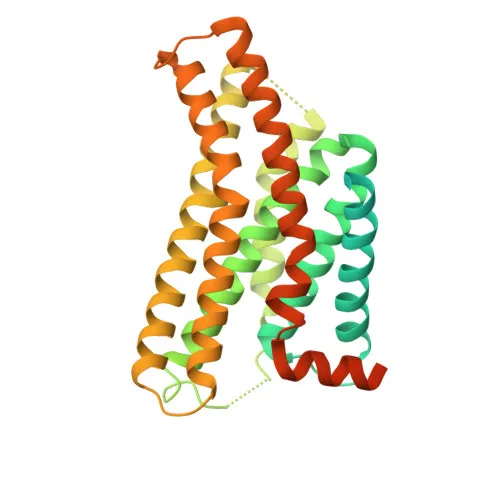
- CXCR3 is a multi-pass transmembrane protein localized to the cell membrane.
- Two major isoforms are produced by alternative splicing: isoform 1 is expressed in heart, kidney, liver, skeletal muscle, and placenta; isoform 2 is expressed in endothelial cells; both are found in T-cells.
- Key post-translational modifications include disulfide bond formation, N-linked glycosylation, and tyrosine sulfation, as annotated in UniProt.
Experimental Guidance and Technical Tips
- The immunogen corresponds to the N-terminal extracellular domain (amino acids 1-53), suggesting the antibody may detect the receptor in its native conformation; consider native PAGE or non-reducing conditions for WB if reduced samples show weak signal.
- For WB, the predicted molecular weight is 41 kDa, but post-translational modifications (glycosylation) may cause the protein to migrate as a larger band; validate with positive controls such as T-cell lysates.
- For ELISA, use the antibody as a capture or detection reagent against recombinant CXCR3 or cell lysates; titrate to determine optimal working concentration.
CamelBio: Your One-Stop Sourcing Bridge
CamelBio empowers diagnostic manufacturers and research laboratories with reliable access to high-quality IVD raw materials. This anti-CXCR3 polyclonal antibody supports immunology and oncology research, particularly in chemokine receptor signaling. Beyond this product, CamelBio offers validated antibody pairs, optimized monoclonal and polyclonal antibodies, bulk ancillary reagents, and sourcing solutions for rare targets to streamline your assay development from concept to clinic.
REQUEST A QUOTE
Our professional team will reply to you within one business day. Please feel free to contact us!