Polyclonal Antibodies
Anti-CXCL11 Rabbit Polyclonal Antibody for WB, IHC-P, ELISA - O14625
Item Number : CM0029098
Price varies based on specs and customizations
- Application
- WB, IHC-P, ELISA
- Cross Reactivity
- Human, Rat
- Protein Weight
- 10kDa

Shipping:
Contact us to get shipping details Enjoy On-time Dispatch Guarantee.
Why Choose Us
Easy ordering process, quality products, and dedicated support for your business success.
Core Product Specifications and Parameters
| Parameter | Value |
|---|---|
| Product Name | CXCL11 Rabbit pAb |
| Remarks/Alias | IP9; H174; IP-9; b-R1; I-TAC; SCYB11; SCYB9B; CXCL11 |
| Species | Human |
| GeneID (Human) | 6373 |
| GeneID | 6373 |
| Immunogen | Recombinant fusion protein containing a sequence corresponding to amino acids 22-94 of human CXCL11 (NP_005400.1) |
| Source | Rabbit |
| Category | Polyclonal Antibodies |
| Application | WB, IHC-P, ELISA |
| Cross Reactivity | Human, Rat |
| SWISS | O14625 |
| Protein Weight | 10kDa |
| Shipping | Ice bag |
Biological Background: CXCL11 Function and Localization
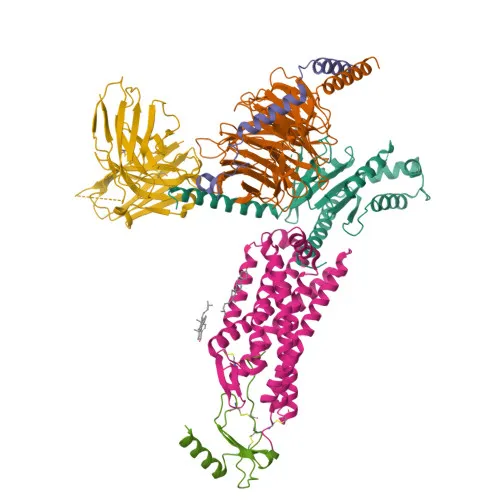
- CXCL11, also known as Interferon-inducible T-cell alpha chemoattractant (I-TAC) and IP-9, is a small cytokine belonging to the C-X-C chemokine family.
- It is secreted and acts as a chemoattractant for interleukin-activated T-cells, inducing calcium release and migration, but does not affect unstimulated T-cells, neutrophils, or monocytes.
- CXCL11 binds with high affinity to the CXCR3 receptor, mediating its chemotactic and immunomodulatory functions.
- It plays a role in central nervous system (CNS) diseases characterized by T-cell recruitment and contributes to skin immune responses, being highly expressed in epidermal basal layer keratinocytes in certain skin disorders.
- Tissue expression is highest in peripheral blood leukocytes, pancreas, and liver astrocytes, with moderate levels in thymus, spleen, and lung, and low levels in placenta, prostate, and small intestine.
- The protein is processed and secreted via the classical signal peptide pathway, and its activity is regulated by post-translational modifications such as citrullination.
- Structural features include conserved disulfide bonds essential for proper folding and chemokine activity.
- The mature protein has a predicted molecular weight of approximately 10.4 kDa, consistent with the observed band around 10 kDa in SDS-PAGE.
Experimental Guidance and Technical Tips
- The immunogen is a recombinant protein covering the mature sequence (aa 22-94), which is the secreted, biologically active portion. This design typically yields antibodies that recognize the native, folded protein.
- For Western blot, consider using reducing conditions, as the natural disulfide bonds may affect migration; a band around 10 kDa is expected.
- In IHC-P, CXCL11 is secreted, so staining may appear extracellular or in vesicular compartments; include appropriate positive controls such as inflamed skin or pancreatic tissue.
- Cross-reactivity with rat has been reported, but epitope conservation should be verified if using this antibody in other species.
- For ELISA applications, pairing with an appropriate capture antibody or recombinant CXCR3 as a detection probe may be considered, though optimal conditions must be determined empirically.
CamelBio: Your One-Stop Sourcing Bridge
CamelBio supports diagnostic manufacturers and researchers by providing validated raw materials such as this CXCL11 antibody for chemokine and immunology-related assay development. We offer comprehensive procurement solutions, including optimized antibody pairs, bulk ancillary reagents, and sourcing of rare-target raw materials to accelerate your projects from concept to clinic. As your single-partner bridge, CamelBio streamlines supply chains for in vitro diagnostic (IVD) development with reliable scalability and technical support.
REQUEST A QUOTE
Our professional team will reply to you within one business day. Please feel free to contact us!