Polyclonal Antibodies
Anti-CSK (C-Src kinase) Rabbit Polyclonal Antibody for WB, ELISA - P41240
Item Number : CM0018211
Price varies based on specs and customizations
- Application
- WB, ELISA
- Cross Reactivity
- Human, Mouse, Rat
- Protein Weight
- 51kDa

Shipping:
Contact us to get shipping details Enjoy On-time Dispatch Guarantee.
Why Choose Us
Easy ordering process, quality products, and dedicated support for your business success.
Core Product Specifications and Parameters
| Parameter | Specification |
|---|---|
| Product Name | CSK Rabbit pAb |
| Remarks/Alias | CSK |
| Species | Human |
| GeneID (Human) | 1445 |
| GeneID | 1445 |
| Immunogen | Recombinant fusion protein containing a sequence corresponding to amino acids 1-200 of human CSK (NP_001120662.1). |
| Source | Rabbit |
| Category | Polyclonal Antibodies |
| Application | WB, ELISA |
| Cross Reactivity | Human, Mouse, Rat |
| SWISS | P41240 |
| Protein Weight | 51kDa |
| Shipping | Ice bag |
Biological Background: CSK Function and Localization
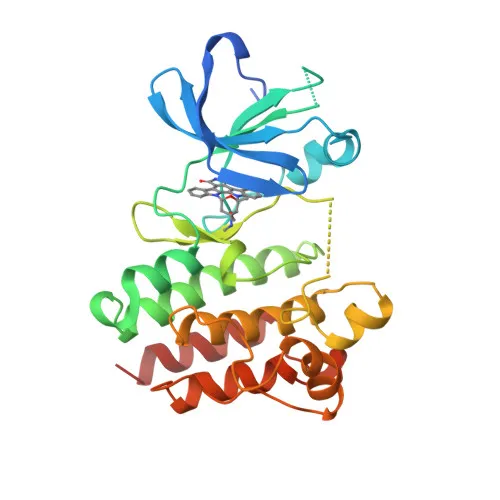
- CSK (C-Src kinase) is a non-receptor tyrosine-protein kinase that plays critical roles in regulating cell growth, differentiation, migration, and immune responses.
- It phosphorylates tyrosine residues in the C-terminal tails of Src-family kinases (SFKs) such as LCK, SRC, HCK, FYN, LYN, and YES1, promoting an inactive conformation and thereby inhibiting their activity.
- CSK is recruited to the plasma membrane via interactions with transmembrane or adaptor proteins to effectively inhibit SFKs and suppress signaling from receptors like T-cell receptor (TCR) and B-cell receptor (BCR).
- It may function as a negative regulator of the EGFR and STAT3 signaling pathways, as supported by experimental evidence (PMID:26918609). Related references: PMID:26918609
- The protein contains SH2 and SH3 domains and belongs to the tyrosine-protein kinase family, requiring ATP and metal ions such as magnesium or manganese for catalytic activity.
- Subcellularly, CSK localizes to the cytoplasm and cell membrane, consistent with its membrane-proximal signaling roles.
- It is predominantly expressed in lung and macrophages, suggesting tissue-specific regulatory functions.
Experimental Guidance and Technical Tips
- This rabbit polyclonal antibody was raised against a recombinant protein corresponding to amino acids 1-200 of human CSK, which covers a significant portion of the SH3 and SH2 domains, providing broad epitope recognition.
- For Western blotting, a band around 51 kDa is expected; validate using positive control lysates from human, mouse, or rat tissues (e.g., lung or macrophage cell lines) due to known cross-reactivity.
- To detect CSK activity or localization changes, consider stimulating or inhibiting upstream signaling pathways (e.g., EGFR or TCR) as CSK dynamically associates with the plasma membrane.
- For ELISA applications, titrate the antibody against the recombinant immunogen or native protein to establish optimal working concentrations; include appropriate negative controls to assess background.
CamelBio: Your One-Stop Sourcing Bridge
CamelBio serves as a trusted one-stop partner for IVD raw material sourcing, offering a comprehensive portfolio of antibodies, antigens, and ancillary reagents to support your development from concept to clinic. This anti-CSK antibody is ideal for researchers studying Src-family kinase regulation, immune signaling, and cancer biology. Beyond this product, CamelBio can assist in sourcing validated antibody pairs, bulk reagents, and rare-target materials to accelerate your assay development and manufacturing scale-up.
Product Datasheet
Anti-CSK (C-Src kinase) Rabbit Polyclonal Antibody for WB, ELISA - P41240
REQUEST A QUOTE
Our professional team will reply to you within one business day. Please feel free to contact us!