Polyclonal Antibodies
Anti-CSF3 Rabbit Polyclonal Antibody for WB, IHC-P, ELISA - P09919
Item Number : CM0024984
Price varies based on specs and customizations
- Application
- WB, IHC-P, ELISA
- Cross Reactivity
- Human, Mouse, Rat
- Protein Weight
- 22kDa

Shipping:
Contact us to get shipping details Enjoy On-time Dispatch Guarantee.
Why Choose Us
Easy ordering process, quality products, and dedicated support for your business success.
Core Product Specifications and Parameters
| Parameter | Value |
|---|---|
| Product Name | CSF3 Rabbit pAb |
| Remarks/Alias | GCSF; CSF3OS; C17orf33; CSF3 |
| Species | Human |
| GeneID (human) | 1440 |
| GeneID | 1440 |
| Immunogen | Recombinant fusion protein containing a sequence corresponding to amino acids 30-207 of human CSF3 (NP_000750.1) |
| Source | Rabbit |
| Category | Polyclonal Antibodies |
| Application | WB, IHC-P, ELISA |
| Cross Reactivity | Human, Mouse, Rat |
| SWISS | P09919 |
| Protein Weight | 22kDa |
| Shipping | Ice bag |
Biological Background: CSF3 Function and Localization
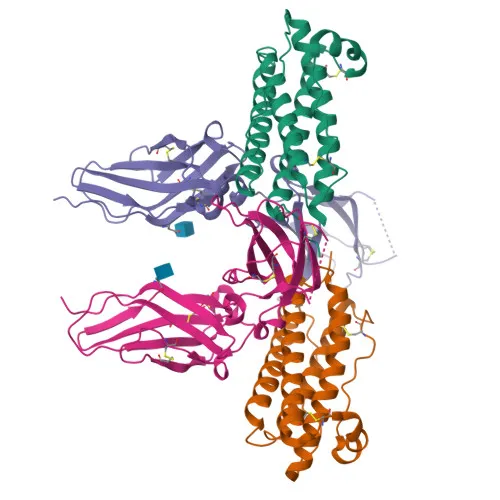
- Granulocyte colony-stimulating factor (GCSF), also known as pluripoietin, is encoded by the CSF3 gene (GeneID: 1440) on chromosome 17.
- It belongs to the granulocyte/macrophage colony-stimulating factor family, cytokines that regulate production, differentiation, and function of granulocytes and monocytes-macrophages.
- CSF3 specifically induces the proliferation and differentiation of granulocyte precursor cells into mature neutrophils, playing a central role in innate immunity.
- The protein is secreted and acts through specific cell surface receptors (CSF3R) on hematopoietic cells to trigger intracellular signaling cascades.
- UniProt keywords highlight key features: alternative splicing generates isoforms, disulfide bonds stabilize the tertiary structure, and N-linked glycosylation influences activity and half-life.
- Post-translational modifications include signal peptide cleavage for secretion and glycosylation at specific asparagine residues.
- While no strict tissue specificity is reported, CSF3 is predominantly produced by immune cells, endothelial cells, and fibroblasts in response to pro-inflammatory stimuli.
- Recombinant forms of CSF3 are used clinically (e.g., filgrastim) to treat chemotherapy-induced neutropenia, underscoring its pharmaceutical importance.
Experimental Guidance and Technical Tips
- The immunogen spans amino acids 30-207 of the mature human CSF3 sequence, likely covering the receptor-binding domain, and may detect both endogenous and recombinant protein.
- For Western blot, the predicted molecular weight is 22 kDa; however, glycosylation can shift the apparent mass. Use reducing SDS-PAGE and consider a positive control like recombinant human GCSF.
- In IHC-P, antigen retrieval (heat or enzymatic) may be required; validate with bone marrow or inflamed tissue sections where granulopoiesis is active.
- For ELISA, a matched detection antibody may improve sensitivity; check cross-reactivity against mouse and rat CSF3 if working across species.
- As a polyclonal antibody, lot-to-lot variability is possible; maintain consistent lot numbers and include a standard reference control in each experiment.
CamelBio: Your One-Stop Sourcing Bridge
CamelBio simplifies IVD raw material procurement by offering validated antibodies, recombinant proteins, and ancillary reagents under one roof. This anti-CSF3 polyclonal antibody supports granulocyte colony-stimulating factor research in hematopoiesis, immunology, and translational oncology. From bulk monoclonal antibodies to rare target sourcing, CamelBio backs your diagnostic development from concept to clinic.
REQUEST A QUOTE
Our professional team will reply to you within one business day. Please feel free to contact us!