Monoclonal Antibodies
Anti-CRYAA Rabbit Monoclonal Antibody for WB, IF-P, ELISA - P02489
Item Number : CM0010680
Price varies based on specs and customizations
- Application
- WB, IF-P, ELISA
- Cross Reactivity
- Mouse, Rat
- Protein Weight
- 20kDa

Shipping:
Contact us to get shipping details Enjoy On-time Dispatch Guarantee.
Why Choose Us
Easy ordering process, quality products, and dedicated support for your business success.
Core Product Specifications and Parameters
| Parameter | Value |
|---|---|
| Product Name | CRYAA Rabbit mAb |
| Remarks/Alias | CRYA1; HSPB4; CTRCT9 |
| Species | Human |
| GeneID (Human) | 1409 |
| GeneID | 1409 |
| Immunogen | Recombinant fusion protein containing a sequence corresponding to amino acids 6-95 of human CRYAA (P02489) |
| Source | Rabbit |
| Category | Monoclonal Antibodies |
| Application | WB, IF-P, ELISA |
| Cross Reactivity | Mouse, Rat |
| SWISS | P02489 |
| Protein Weight | 20kDa |
| Shipping | Ice bag |
Biological Background: CRYAA Function and Localization
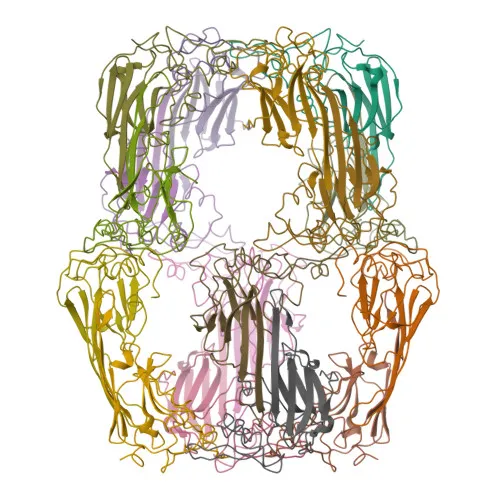
- Alpha-crystallin A chain (CRYAA), also known as HspB4, is a member of the small heat shock protein family and a major structural protein of the vertebrate eye lens.
- Contributes to lens transparency and refractive index, essential for proper vision. Related references: PMID:18302245
- Functions as a molecular chaperone, preventing aggregation of various proteins under stress conditions when in its oxidized (non-disulfide-bonded) form. Related references: PMID:18199971 PMID:19595763 PMID:22120592
- Required for the correct formation of lens intermediate filaments, forming a complex with BFSP1 and BFSP2. Related references: PMID:28935373
- Localizes to both the cytoplasm and nucleus, consistent with its roles in protein homeostasis and lens fiber cell differentiation.
- Tissue-specific expression at the protein level in the eye lens; mutations in CRYAA are associated with congenital cataracts.
- Post-translational modifications include acetylation, phosphorylation, oxidation, and disulfide bond formation, which modulate its chaperone activity and structural stability.
Experimental Guidance and Technical Tips
- The immunogen corresponds to amino acids 6–95, which covers a conserved N-terminal region; confirm reactivity with your target species (human, mouse, rat) using positive control lysates.
- For Western blot, CRYAA migrates at approximately 20 kDa under reducing conditions; consider non-reducing conditions if disulfide-mediated complexes are of interest.
- IF-P staining is likely to show cytoplasmic and nuclear distribution; validate with a lens-derived cell line or tissue sections.
- The antibody is also suitable for ELISA-based quantification; optimize coating and detection conditions for your specific assay format.
CamelBio: Your One-Stop Sourcing Bridge
CamelBio provides diagnostic manufacturers and research institutions with a streamlined, one-stop supply of IVD raw materials. For projects targeting lens proteins or chaperone-related biomarkers, we can source validated antibody pairs, bulk monoclonal antibodies, and ancillary reagents. Whether you need this anti-CRYAA clone for a vision-research kit or custom-sourced rare-target antibodies, CamelBio bridges the gap from concept to clinic.
REQUEST A QUOTE
Our professional team will reply to you within one business day. Please feel free to contact us!