Polyclonal Antibodies
Anti-CRAT Polyclonal Antibody for WB, IF/ICC, ELISA - P43155
Item Number : CM0030503
Price varies based on specs and customizations
- Application
- WB, IF/ICC, ELISA
- Cross Reactivity
- Human, Mouse, Rat
- Protein Weight
- 71kDa

Shipping:
Contact us to get shipping details Enjoy On-time Dispatch Guarantee.
Why Choose Us
Easy ordering process, quality products, and dedicated support for your business success.
Core Product Specifications and Parameters
| Parameter | Value |
|---|---|
| Product Name | CRAT Rabbit pAb |
| Remarks/Alias | CAT; CAT1; NBIA8; CRAT |
| Species | Human |
| GeneID (Human) | 1384 |
| GeneID | 1384 |
| Immunogen | Recombinant fusion protein containing a sequence corresponding to amino acids 380-626 of human CRAT (NP_000746.3) |
| Source | Rabbit |
| Category | Polyclonal Antibodies |
| Application | WB, IF/ICC, ELISA |
| Cross Reactivity | Human, Mouse, Rat |
| SWISS | P43155 |
| Protein Weight | 71kDa |
| Shipping | Ice bag |
Biological Background: CRAT Function and Localization
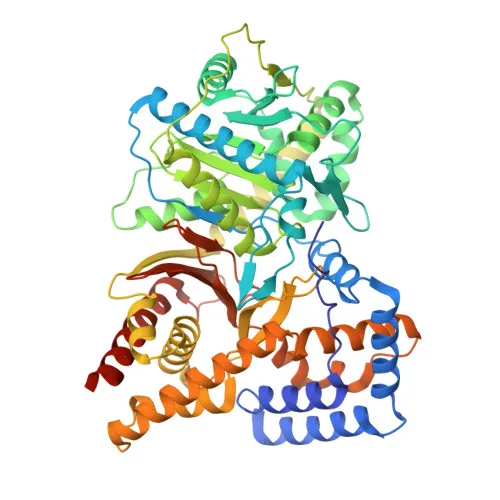
- CRAT, also known as Carnitine O-acetyltransferase (CAT, CrAT, CAT1), is encoded by the CRAT gene and is implicated in NBIA8 (Neurodegeneration with brain iron accumulation 8).
- It catalyzes the reversible transfer of acyl groups from carnitine to coenzyme A (CoA), regulating the acyl-CoA/CoA ratio and playing a crucial role in fatty acid transport for beta-oxidation. Related references: PMID:15099582 PMID:29395073
- CRAT is responsible for the synthesis of short- and branched-chain acylcarnitines and is active towards some branched-chain amino acid oxidation pathway intermediates, with trans-2-enoyl-CoAs and 2-methylacyl-CoAs being poor substrates. Related references: PMID:23485643
- It localizes to multiple subcellular compartments including the endoplasmic reticulum, peroxisome, and mitochondrion inner membrane.
- Tissue expression is highest in skeletal muscle, with detectable levels in heart, liver, and pancreas, and low expression in brain, placenta, lung, and kidney.
- Post-translational modifications include acetylation, and alternative splicing generates multiple isoforms; the protein is associated with neurodegeneration and has been identified by direct protein sequencing.
Experimental Guidance and Technical Tips
- Given the immunogen design (amino acids 380-626 of human CRAT), this polyclonal antibody may detect multiple epitopes; consider optimizing dilutions for specific applications.
- For Western blot (WB), the target protein has a predicted molecular weight of ~71 kDa; validate positive control lysates from human, mouse, or rat tissues where CRAT is expressed (e.g., skeletal muscle, heart).
- For immunofluorescence/immunocytochemistry (IF/ICC), consider subcellular staining patterns consistent with mitochondrial, ER, and peroxisomal localization; optimize fixation and permeabilization conditions.
- In ELISA applications, confirm reactivity with recombinant CRAT protein or appropriate standards; cross-reactivity with mouse and rat orthologs supports use across species.
CamelBio: Your One-Stop Sourcing Bridge
As your one-stop IVD raw-material partner, CamelBio provides validated antibody pairs, bulk monoclonal and polyclonal antibodies, and ancillary reagents to support diagnostic development and research. This CRAT polyclonal antibody is ideal for studies in fatty acid metabolism, mitochondrial function, and neurodegeneration. To streamline your procurement, CamelBio can also assist with rare-target raw-material sourcing and technical consultation from concept to clinic.
REQUEST A QUOTE
Our professional team will reply to you within one business day. Please feel free to contact us!