Polyclonal Antibodies
Anti-CPS1 Rabbit Polyclonal Antibody for WB, IF/ICC, ELISA - P31327
Item Number : CM0020448
Price varies based on specs and customizations
- Application
- WB, IF/ICC, ELISA
- Cross Reactivity
- Human, Rat
- Protein Weight
- 165kDa

Shipping:
Contact us to get shipping details Enjoy On-time Dispatch Guarantee.
Why Choose Us
Easy ordering process, quality products, and dedicated support for your business success.
Core Product Specifications and Parameters
| Parameter | Value |
|---|---|
| Product Name | CPS1 Rabbit pAb |
| Remarks/Alias | PHN; GATD6; CPSASE1; CPS1 |
| Species | Human |
| GeneID (Human) | 1373 |
| GeneID | 1373 |
| Immunogen | `Recombinant protein |
| Source | Rabbit |
| Category | Polyclonal Antibodies |
| Application | WB, IF/ICC, ELISA |
| Cross Reactivity | Human, Rat |
| SWISS | P31327 |
| Protein Weight | 165kDa |
| Shipping | Ice bag |
Biological Background: CPS1 Function and Localization
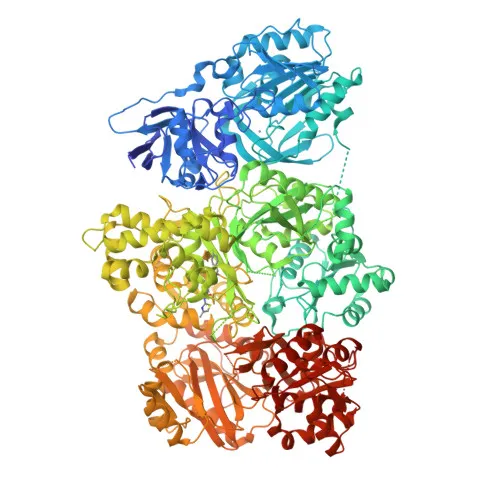
- CPS1 (Carbamoyl-phosphate synthase [ammonia], mitochondrial), also known as CPSase I, is encoded by the CPS1 gene with aliases PHN, GATD6, CPSASE1.
- It is a key mitochondrial enzyme in the urea cycle, catalyzing the ATP-dependent synthesis of carbamoyl phosphate from ammonia and bicarbonate, thus essential for detoxifying ammonia in ureotelic animals.
- Subcellular localization extends beyond mitochondria; CPS1 is also detected in the nucleus, nucleolus, and cell membrane, suggesting additional non-canonical roles.
- Expression is primarily tissue-specific, with highest levels in the liver and small intestine, aligning with its urea cycle function.
- The protein undergoes multiple post-translational modifications, including acetylation, phosphorylation, and glycosylation, which may regulate its activity and stability.
- Structural features include ATP-binding domains and allosteric regulation; it contains repeat regions and exhibits alternative splicing.
- Clinically, mutations in CPS1 cause carbamoyl phosphate synthetase I deficiency, an inborn error of the urea cycle leading to hyperammonemia.
- Keywords from UniProt highlight its roles as a ligase, phosphoprotein, and glycoprotein, with proteomics identification confirming its expression.
Experimental Guidance and Technical Tips
- The immunogen (amino acids 820-930 of human CPS1) lies within a region that may be conserved; verify sequence homology with your target species before use.
- For Western blotting, the predicted molecular weight is ~165 kDa; consider using a low-percentage gel (e.g., 8%) and optimized transfer conditions for high-molecular-weight proteins.
- In immunocytochemistry/immunofluorescence, expect mitochondrial staining; include organelle markers to confirm localization, and note that nuclear or membrane signals may also occur.
- For ELISA, this antibody can serve as a capture or detection reagent; pairing with a matched antibody pair may improve sensitivity.
- Validate the antibody in your specific sample system (e.g., cell lines expressing CPS1) with appropriate positive and negative controls.
CamelBio: Your One-Stop Sourcing Bridge
CamelBio is a specialized IVD raw-material supplier, providing diagnostic manufacturers and researchers with antibodies like this anti-CPS1 polyclonal for urea cycle research. Beyond individual immunoreagents, we offer validated antibody pairs, monoclonal and polyclonal antibodies, bulk ancillary reagents, and rare-target raw-material sourcing to streamline your assay development. Partner with CamelBio to bridge the gap from discovery to clinical application with reliable, customizable supply solutions.
REQUEST A QUOTE
Our professional team will reply to you within one business day. Please feel free to contact us!