Monoclonal Antibodies
Anti-CPS1 Rabbit Monoclonal Antibody for WB, IHC-P, ELISA - P31327
Item Number : CM0006612
Price varies based on specs and customizations
- Application
- WB, IHC-P, ELISA
- Cross Reactivity
- Human, Mouse, Rat
- Protein Weight
- 165kDa

Shipping:
Contact us to get shipping details Enjoy On-time Dispatch Guarantee.
Why Choose Us
Easy ordering process, quality products, and dedicated support for your business success.
Core Product Specifications and Parameters
| Parameter | Value |
|---|---|
| Product Name | CPS1 Rabbit mAb |
| Remarks/Alias | PHN; GATD6; CPSASE1; CPS1 |
| Species | Human |
| GeneID | 1373 |
| Immunogen | Recombinant fusion protein containing a sequence corresponding to amino acids 1356-1482 of human CPS1 (NP_001116105.1) |
| Source | Rabbit |
| Category | Monoclonal Antibodies |
| Application | WB, IHC-P, ELISA |
| Cross Reactivity | Human, Mouse, Rat |
| SWISS | P31327 |
| Protein Weight | 165kDa |
| Shipping | Ice bag |
Biological Background: CPS1 Function and Localization
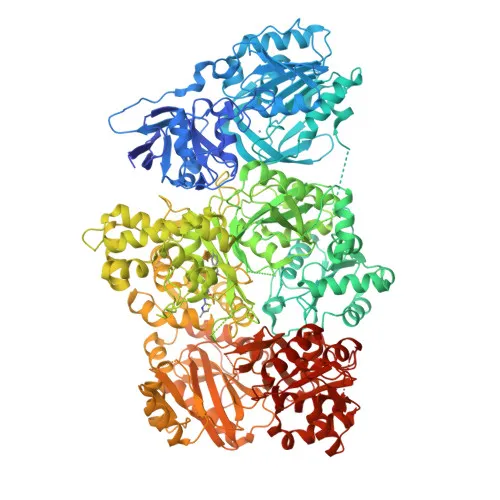
- CPS1 (carbamoyl-phosphate synthetase I) is a mitochondrial enzyme that catalyzes the first committed step of the urea cycle, converting ammonia and bicarbonate into carbamoyl phosphate.
- The enzyme plays a critical role in detoxifying excess ammonia in ureotelic animals, with the urea cycle serving as the primary pathway for nitrogen disposal.
- CPS1 is predominantly expressed in the liver and small intestine, consistent with its central role in ammonia clearance and amino acid catabolism.
- Subcellular localization is primarily mitochondrial, but CPS1 has also been detected in the nucleus, nucleolus, and at the cell membrane, suggesting possible non-urea cycle functions.
- Multiple post-translational modifications have been reported, including acetylation, phosphorylation, and glycosylation, which may regulate enzyme activity or subcellular distribution.
- Alternative splicing generates different isoforms, and mutations in CPS1 are associated with carbamoyl phosphate synthetase I deficiency, a severe urea cycle disorder.
- CPS1 belongs to the ATP-grasp fold superfamily and functions as a ligase, requiring ATP and allosteric activation by N-acetylglutamate.
Experimental Guidance and Technical Tips
- The immunogen corresponds to residues 1356–1482 of human CPS1, a region within the C-terminal domain; consider verifying that this epitope is accessible in your sample’s native conformation when using non-denaturing assays.
- For Western blot, a band at approximately 165 kDa is expected; validate specificity in relevant tissue lysates (e.g., liver) and include appropriate molecular weight markers.
- In IHC-P, antigen retrieval conditions should be optimized for mitochondrial and nuclear detection; validate staining patterns against known tissue controls.
- For ELISA, pairing with a capture antibody targeting a different epitope may be necessary; consider cross-reactivity with mouse and rat CPS1 when designing assays.
CamelBio: Your One-Stop Sourcing Bridge
CamelBio supports diagnostic and research teams with a comprehensive portfolio of IVD raw materials, including validated antibodies like this anti-CPS1 rabbit mAb for urea cycle and metabolic research. Whether you require monoclonal or polyclonal antibodies, optimized antibody pairs, or bulk ancillary reagents, our sourcing capabilities cover everything from early development to clinical validation. Connect with us to simplify your supply chain for rare targets and validated assay components.
REQUEST A QUOTE
Our professional team will reply to you within one business day. Please feel free to contact us!