Monoclonal Antibodies
Anti-CPS1 Rabbit Monoclonal Antibody for WB, IF-P, IHC-P, ELISA - P31327
Item Number : CM0010246
Price varies based on specs and customizations
- Application
- WB, IF-P, IHC-P, ELISA
- Cross Reactivity
- Human
- Protein Weight
- 165kDa

Shipping:
Contact us to get shipping details Enjoy On-time Dispatch Guarantee.
Why Choose Us
Easy ordering process, quality products, and dedicated support for your business success.
Core Product Specifications and Parameters
| Parameter | Value |
|---|---|
| Product Name | CPS1 Rabbit mAb |
| Remarks/Alias | PHN; GATD6; CPSASE1; CPS1 |
| Species | Human |
| Gene ID (Human) | 1373 |
| Gene ID | 1373 |
| Immunogen | Synthetic Peptide | A synthetic peptide corresponding to a sequence within amino acids 100-200 of human CPS1 (NP_001866.2). |
| Source | Rabbit |
| Category | Monoclonal Antibodies |
| Application | WB, IF-P, IHC-P, ELISA |
| Cross Reactivity | Human |
| SWISS | P31327 |
| Protein Weight | 165kDa |
| Shipping | Ice bag |
Biological Background: CPS1 Function and Localization
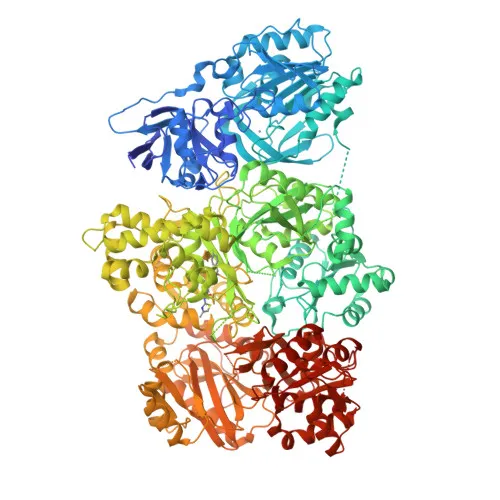
- CPS1, also known as Carbamoyl-phosphate synthetase I, is a mitochondrial enzyme that catalyzes the first committed step of the urea cycle, converting ammonia to carbamoyl phosphate, which is essential for ammonia detoxification in ureotelic animals.
- It plays a critical role in removing excess ammonia from cells, primarily in the liver and small intestine, where it is highly expressed.
- The protein localizes to the mitochondrial matrix but has also been detected in the nucleus, nucleolus, and cell membrane, suggesting additional non-canonical functions.
- CPS1 undergoes various post-translational modifications, including acetylation and phosphorylation, and exhibits alternative splicing, which may regulate its activity or localization.
- As an ATP-binding, allosteric enzyme, it belongs to the ligase family and is a key component of the urea cycle, with mutations linked to disease variants.
- The mature protein has a molecular weight of approximately 165 kDa, consistent with its 164939 Da precursor after cleavage of the mitochondrial transit peptide.
Experimental Guidance and Technical Tips
- For Western blotting, target detection at ~165 kDa requires appropriate gel concentration (e.g., 6-8% SDS-PAGE) and extended transfer times due to high molecular weight.
- In immunofluorescence (IF-P) protocols, optimal fixation and permeabilization conditions should be determined to preserve the mitochondrial structure while allowing antibody access.
- For immunohistochemistry (IHC-P), antigen retrieval pH and method should be validated; liver and small intestine tissue sections serve as suitable positive controls based on tissue specificity.
- As the immunogen is a synthetic peptide from residues 100-200, specificity may be confirmed by peptide competition assays or Western blot analysis using CPS1 knockout cell lysates, if available.
CamelBio: Your One-Stop Sourcing Bridge
CamelBio provides diagnostic manufacturers and research labs with streamlined access to a comprehensive portfolio of IVD raw materials, including this CPS1 monoclonal antibody for urea cycle and metabolic research. Our sourcing network offers validated antibody pairs, optimized monoclonal/polyclonal antibodies, bulk ancillary reagents, and support for rare target procurement, enabling seamless transition from concept to clinical application. Partner with us to accelerate your diagnostic development with reliable, one-stop supply solutions.
Product Datasheet
Anti-CPS1 Rabbit Monoclonal Antibody for WB, IF-P, IHC-P, ELISA - P31327
REQUEST A QUOTE
Our professional team will reply to you within one business day. Please feel free to contact us!