Polyclonal Antibodies
Anti-COTL1 Rabbit Polyclonal Antibody for WB, IHC-P, ELISA - Q14019
Item Number : CM0029944
Price varies based on specs and customizations
- Application
- WB, IHC-P, ELISA
- Cross Reactivity
- Human, Mouse, Rat
- Protein Weight
- 16kDa

Shipping:
Contact us to get shipping details Enjoy On-time Dispatch Guarantee.
Why Choose Us
Easy ordering process, quality products, and dedicated support for your business success.
Core Product Specifications and Parameters
| Parameter | Value |
|---|---|
| Product Name | COTL1 Rabbit pAb |
| Remarks/Alias | CLP; COTL1 |
| Species | Human |
| Gene ID | 23406 |
| Immunogen | Recombinant fusion protein containing a sequence corresponding to amino acids 1-142 of human COTL1 (NP_066972.1) |
| Source | Rabbit |
| Category | Polyclonal Antibodies |
| Application | WB, IHC-P, ELISA |
| Cross Reactivity | Human, Mouse, Rat |
| SWISS | Q14019 |
| Protein Weight | 16kDa |
| Shipping | Ice bag |
Biological Background: Coactosin-Like Protein Function and Localization
- COTL1 (Coactosin-like protein, also known as CLP) is a member of the coactosin family of actin-binding proteins, with an apparent molecular weight of ~16 kDa.
- It binds to F-actin in a calcium-independent manner but does not directly promote actin depolymerization.
- COTL1 acts as a specific chaperone for 5-lipoxygenase (ALOX5/5LO), stabilizing the enzyme and thereby positively regulating leukotriene biosynthesis.
- The protein is predominantly cytoplasmic and associates with the cytoskeleton; it also localizes to the nucleus under certain conditions.
- Expression is widespread, with highest levels in placenta, lung, kidney, and peripheral blood leukocytes, and lower levels in brain, liver, and pancreas.
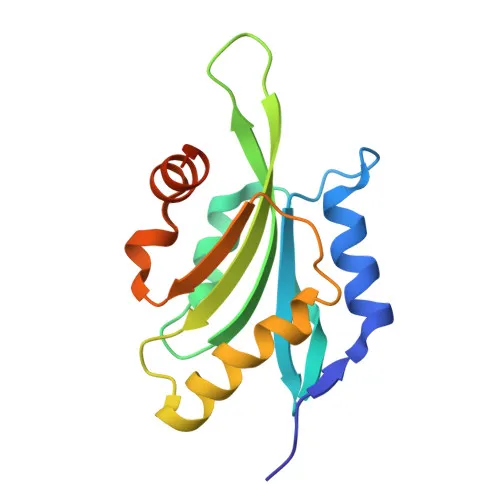
- Post-translational modifications include acetylation; the protein’s 3D structure has been solved, contributing to the understanding of its actin-binding and chaperone functions.
- Key functional annotations from UniProtKB include Actin-binding, Chaperone, and Cytoskeleton.
Experimental Guidance and Technical Tips
- The immunogen corresponds to the N-terminal 142 amino acids of human COTL1, a region that includes the actin-binding domain and is conserved across human, mouse, and rat, supporting the observed cross-reactivity.
- In Western blot, a single band of approximately 16 kDa is expected; use low molecular weight markers and consider extended transfer times to prevent loss of small proteins.
- For immunohistochemistry (paraffin), antigen retrieval conditions may need optimization; known high-expression tissues such as placenta or leukocyte-rich tissues can serve as positive controls.
- The antibody can be used in ELISA to detect native or recombinant COTL1; validate coating and blocking conditions with your specific sample matrix.
CamelBio: Your One-Stop Sourcing Bridge
CamelBio is a dedicated IVD raw-material partner, offering one-stop access to high-quality antibodies, antigens, and ancillary reagents for diagnostic and research applications. For COTL1-focused projects—including leukotriene signaling and cytoskeleton research—we supply validated antibody pairs, monoclonal/polyclonal antibodies, and bulk reagents. Our comprehensive sourcing capabilities also cover rare targets, enabling seamless progression from assay development to clinical application.
REQUEST A QUOTE
Our professional team will reply to you within one business day. Please feel free to contact us!