Monoclonal Antibodies
Anti-CoREST/RCOR1 Rabbit Monoclonal Antibody for WB, IHC-P, IP, ELISA, ChIP - Q9UKL0
Item Number : CM0011506
Price varies based on specs and customizations
- Application
- WB, IHC-P, IP, ELISA, ChIP
- Cross Reactivity
- Human, Mouse, Rat
- Protein Weight
- 53kDa

Shipping:
Contact us to get shipping details Enjoy On-time Dispatch Guarantee.
Why Choose Us
Easy ordering process, quality products, and dedicated support for your business success.
Core Product Specifications and Parameters
| Parameter | Value |
|---|---|
| Product Name | CoREST/RCOR1 Rabbit mAb |
| Remarks/Alias | RCOR; COREST; CoREST/RCOR1 |
| Species | Human |
| GeneID (Human) | 23186 |
| GeneID | 23186 |
| Immunogen | Synthetic peptide corresponding to a sequence within amino acids 1-100 of human CoREST/RCOR1 (Q9UKL0) |
| Source | Rabbit |
| Category | Monoclonal Antibodies |
| Application | WB, IHC-P, IP, ELISA, ChIP |
| Cross Reactivity | Human, Mouse, Rat |
| SWISS | Q9UKL0 |
| Protein Weight | 53kDa |
| Shipping | Ice bag |
Biological Background: CoREST/RCOR1 Function and Localization
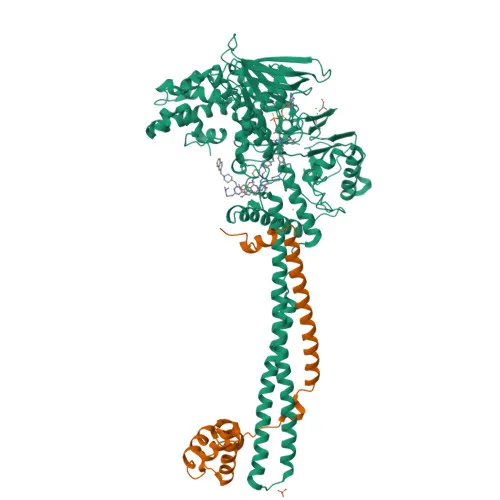
- CoREST (RCOR1) is a key transcriptional corepressor, functioning as an essential component of the BHC (BRAF-HDAC) complex. It represses transcription of neuron-specific genes in non-neuronal cells, recruited to RE1/NRSE sites by the REST transcription factor.
- Within the BHC complex, CoREST serves as a molecular beacon, recruiting chromatin-modifying machinery such as MeCP2 and SUV39H1 to impose gene silencing across chromosomal intervals.
- CoREST plays a central role in histone demethylation by promoting the activity of KDM1A (LSD1) on Lys-4 of histone H3, both on core histones and nucleosomal substrates, and protects KDM1A from proteasomal degradation.
- As part of a RCOR/GFI/KDM1A/HDAC complex, CoREST contributes to the regulation of hematopoiesis by recruiting histone deacetylases (HDACs) to suppress genes critical for multilineage blood cell development.
- CoREST is encoded by the RCOR1 gene (GeneID: 23186) and is ubiquitously expressed across human tissues.
- The protein localizes to the nucleus, consistent with its role in chromatin remodeling and transcriptional repression.
- Post-translational modifications include phosphorylation and ubiquitination, and it features coiled-coil domains essential for protein-protein interactions.
Experimental Guidance and Technical Tips
- Given the N-terminal peptide immunogen (aa 1–100), expect specific detection of full-length CoREST/RCOR1 at the predicted molecular weight of approximately 53 kDa in WB. Validate with appropriate positive and negative controls.
- For ChIP applications, consider optimizing crosslinking and chromatin shearing conditions in cell lines with robust CoREST expression, and validate enrichment of known target promoters (e.g., RE1/NRSE sites).
- In IHC-P, optimal performance may require antigen retrieval and optimization of antibody dilution; use tissues with documented CoREST expression, such as brain or testis, for initial testing.
- When performing IP, ensure lysis buffer compatibility and include a negative IgG control to confirm specific pull-down.
- Cross-reactivity with mouse and rat has been reported; however, verify signal specificity in your model system by comparing with knockout or knockdown controls.
CamelBio: Your One-Stop Sourcing Bridge
CamelBio is your comprehensive partner for IVD raw-material sourcing, offering a wide range of validated antibodies, recombinant proteins, and ancillary reagents to accelerate diagnostic development. This anti-CoREST/RCOR1 antibody supports chromatin and transcription research, and we can further supply optimized antibody pairs, bulk monoclonals, and rare target raw materials tailored to your assay needs. Leverage our technical expertise and global supply chain to streamline your journey from concept to clinic.
REQUEST A QUOTE
Our professional team will reply to you within one business day. Please feel free to contact us!