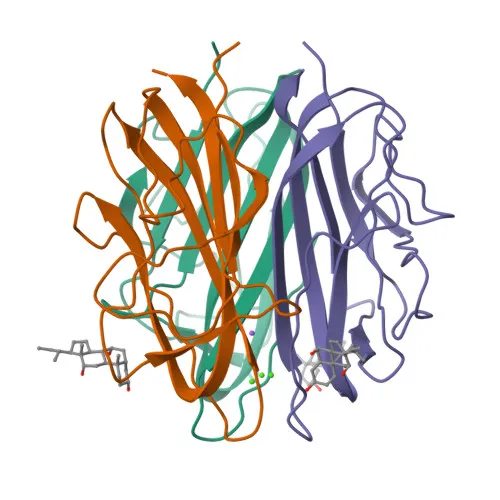
Polyclonal Antibodies
Anti-COL10A1 (Collagen alpha-1(X) chain) Rabbit Polyclonal Antibody for WB, ELISA - Q03692
Item Number : CM0022846
Price varies based on specs and customizations
- Application
- WB, ELISA
- Cross Reactivity
- Human
- Protein Weight
- 66kDa

Shipping:
Contact us to get shipping details Enjoy On-time Dispatch Guarantee.
Why Choose Us
Easy ordering process, quality products, and dedicated support for your business success.
Core Product Specifications and Parameters
| Parameter | Value |
|---|---|
| Product Name | COL10A1 Rabbit pAb |
| Remarks/Alias | COL10A1; collagen alpha-1(X) chain |
| Species | Human |
| GeneID (Human) | 1300 |
| GeneID | 1300 |
| Immunogen | Recombinant protein |
| Source | Rabbit |
| Category | Polyclonal Antibodies |
| Application | WB, ELISA |
| Cross Reactivity | Human |
| SWISS | Q03692 |
| Protein Weight | 66kDa |
| Shipping | Ice bag |
Biological Background: COL10A1 (Collagen alpha-1(X) chain) Function and Localization
- COL10A1 encodes the alpha-1 chain of type X collagen, a homotrimeric extracellular matrix protein classified as a short-chain collagen.
- Primarily expressed by hypertrophic chondrocytes, type X collagen is deposited in the extracellular matrix of the growth plate and is associated with zones of presumptive mineralization during endochondral ossification.
- It contains a central triple-helical collagenous domain flanked by a non-collagenous N-terminal (NC2) domain and a C-terminal (NC1) domain; the NC1 domain is critical for trimerization and calcium binding.
- The NC1 domain exhibits calcium-dependent binding properties, and the protein itself has metal-ion interactions, supporting its role in matrix calcification.
- Post‑translational modifications include signal peptide cleavage, proline hydroxylation, and lysine hydroxylation/glycosylation, typical of collagen biosynthesis.
- Mutations in COL10A1 cause Schmid metaphyseal chondrodysplasia, an autosomal dominant skeletal disorder, underscoring its importance in growth plate function and linear bone growth.
- Subcellular localization is extracellular; after secretion, the protein becomes part of the cartilage extracellular matrix.
- Keywords: Collagen, Extracellular matrix, Calcium, Metal-binding, Hydroxylation, Disease variant, Repeat, Secreted, Signal.
Experimental Guidance and Technical Tips
- The immunogen comprises amino acids 1‑100 of human COL10A1; antibody reactivity may be directed against epitopes in the N‑terminal region. Validate binding in the relevant sample system, as the target may undergo processing.
- For western blotting, the predicted full‑length protein mass is ~66 kDa; however, pro‑collagen forms and proteolytic fragments may be detected. Consider using reducing agents and optimize sample preparation for extracellular matrix proteins.
- In ELISA, confirm specificity using recombinant protein or peptide immunogen as a positive control. Plate coating conditions may require optimization for collagen-based antigens.
- Hypertrophic chondrocyte lysates or cartilage‑derived samples serve as appropriate positive controls; be aware of limited expression outside growth plate cartilage.
CamelBio: Your One-Stop Sourcing Bridge
CamelBio streamlines IVD raw-material procurement, providing diagnostic manufacturers and laboratories with validated antibody pairs, optimized monoclonal and polyclonal antibodies, bulk ancillary reagents, and rare‑target sourcing. For skeletal development and bone disease research, we offer collagen‑specific tools and support from concept to clinic. Contact us to discuss your COL10A1 or other cartilage‑related raw material needs.
Product Datasheet
Anti-COL10A1 (Collagen alpha-1(X) chain) Rabbit Polyclonal Antibody for WB, ELISA - Q03692
REQUEST A QUOTE
Our professional team will reply to you within one business day. Please feel free to contact us!