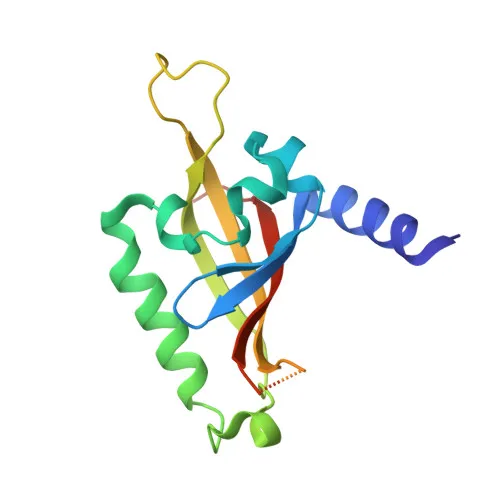
Polyclonal Antibodies
Anti-CLOCK Rabbit Polyclonal Antibody for WB, ELISA - O15516
Item Number : CM0028150
Price varies based on specs and customizations
- Application
- WB, ELISA
- Cross Reactivity
- Human, Mouse, Rat
- Protein Weight
- 95kDa

Shipping:
Contact us to get shipping details Enjoy On-time Dispatch Guarantee.
Why Choose Us
Easy ordering process, quality products, and dedicated support for your business success.
Core Product Specifications and Parameters
| Parameter | Value |
|---|---|
| Product Name | CLOCK Rabbit pAb |
| Remarks/Alias | KAT13D; bHLHe8; CLOCK |
| Species | Human |
| GeneID (human) | 9575 |
| GeneID | 9575 |
| Immunogen | Recombinant fusion protein containing a sequence corresponding to amino acids 450-600 of human CLOCK (NP_004889.1) |
| Source | Rabbit |
| Category | Polyclonal Antibodies |
| Application | WB, ELISA |
| Cross Reactivity | Human, Mouse, Rat |
| SWISS | O15516 |
| Protein Weight | 95kDa |
| Shipping | Ice bag |
Biological Background: CLOCK Function and Localization
- CLOCK (Circadian Locomotor Output Cycles Protein Kaput), also known as bHLHe8, is a core component of the molecular circadian clock that drives ~24-hour rhythms in gene expression, metabolism, and behavior (UniProt O15516).
- As the positive limb of the transcription/translation feedback loop, CLOCK forms a heterodimer with BMAL1 (or BMAL2) to bind E-box elements (5'-CACGTG-3') in promoters of core clock genes (PER1/2/3, CRY1/2) and clock-controlled genes, thereby activating transcription.
- The CLOCK-BMAL1 heterodimer preferentially recognizes the 5'-CACGTGA-3' motif, where CLOCK binds the 5'-CAC-3' half-site and BMAL1 binds the 5'-GTGA-3' half-site; non-canonical motifs 5'-AACGTGA-3' and 5'-CATGTGA-3' are also recognized. Related references: PMID:23229515
- CLOCK possesses intrinsic histone acetyltransferase activity, enabling circadian chromatin remodeling by acetylating histones (e.g., H3, H4) and non-histone proteins, including BMAL1 itself; this activity is as critical as transcription for rhythm generation.
- It acetylates argininosuccinate synthase 1 (ASS1) in a circadian manner, leading to inhibition of enzymatic activity and rhythmic control of arginine biosynthesis and ureagenesis, thus linking the clock to metabolism. Related references: PMID:28985504
- CLOCK represses glucocorticoid receptor NR3C1/GR transcriptional activity by acetylating multiple lysine residues in the receptor's hinge region, reducing its association with glucocorticoid response elements. Related references: PMID:21980503
- Subcellularly, CLOCK is primarily nuclear but also detected in the cytoplasm and cytosol. It is widely expressed, with highest levels in testis and skeletal muscle, and is highly enriched in the suprachiasmatic nucleus (SCN) of the brain, the central clock.
- Post-translational modifications including phosphorylation, acetylation, and ubiquitination fine-tune CLOCK stability and activity, contributing to the precise oscillatory control of circadian rhythms.
Experimental Guidance and Technical Tips
- The immunogen corresponds to amino acids 450-600 of human CLOCK, a region that may ensure recognition of the acetyltransferase domain and help detect both full-length and potential isoforms; consider verifying reactivity in the relevant species and tissue.
- For Western blot, the predicted molecular weight of CLOCK is 95 kDa; however, post-translational modifications (e.g., phosphorylation, acetylation) might shift the observed band. Use appropriate blocking and detection buffers optimized for rabbit polyclonal antibodies.
- For ELISA, ensure the recombinant protein or peptide coating matches the immunogen region to maximize antibody capture. Titrate the antibody to determine optimal working concentration in your assay system.
- Cross-reactivity is reported for human, mouse, and rat; validate in your model organism of choice using positive and negative controls. CLOCK expression is circadian, so consider time-of-day harvesting when examining endogenous levels.
CamelBio: Your One-Stop Sourcing Bridge
CamelBio offers a comprehensive portfolio of IVD raw materials, including validated antibodies and ancillary reagents, to support diagnostic manufacturers and research laboratories from concept to clinic. Our CLOCK polyclonal antibody serves as a robust tool for circadian biology and transcription regulation studies, and we can source bulk quantities, matched antibody pairs, or custom formulations upon request. Whether you need rare-target antibodies, optimized immunoassay components, or technical consulting, CamelBio is your reliable partner for accelerated IVD development.
REQUEST A QUOTE
Our professional team will reply to you within one business day. Please feel free to contact us!