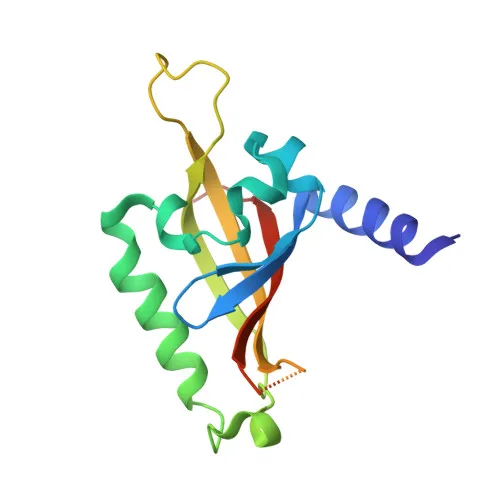
Monoclonal Antibodies
Anti-CLOCK Rabbit Monoclonal Antibody for WB, ELISA - O15516
Item Number : CM0012319
Price varies based on specs and customizations
- Application
- WB, ELISA
- Cross Reactivity
- Human, Mouse, Rat
- Protein Weight
- 95kDa

Shipping:
Contact us to get shipping details Enjoy On-time Dispatch Guarantee.
Why Choose Us
Easy ordering process, quality products, and dedicated support for your business success.
Core Product Specifications and Parameters
| Parameter | Value |
|---|---|
| Product Name | CLOCK Rabbit mAb |
| Remarks/Alias | KAT13D; bHLHe8; CLOCK |
| Species | Human |
| GeneID (Human) | 9575 |
| GeneID | 9575 |
| Immunogen | Synthetic Peptide|A synthetic peptide corresponding to a sequence within amino acids 100-200 of human CLOCK (NP_004889.1). |
| Source | Rabbit |
| Category | Monoclonal Antibodies |
| Application | WB, ELISA |
| Cross Reactivity | Human, Mouse, Rat |
| SWISS | O15516 |
| Protein Weight | 95kDa |
| Shipping | Ice bag |
Biological Background: CLOCK Function and Localization
- CLOCK is a core component of the circadian clock, acting as a transcriptional activator that drives the expression of clock-controlled genes.
- It forms a heterodimer with BMAL1 and binds to E-box motifs (5'-CACGTG-3') in gene promoters. The preferred binding motif is 5'-CACGTGA-3', with CLOCK recognizing the 5'-CAC-3' half-site. Related references: PMID:23229515
- CLOCK exhibits intrinsic acetyltransferase activity, acetylating histones and non-histone proteins such as BMAL1, the glucocorticoid receptor, and ASS1, thereby regulating chromatin remodeling and metabolic pathways. Related references: PMID:21980503, PMID:28985504
- Subcellularly, CLOCK localizes to the nucleus, cytoplasm, and cytosol, shuttling between compartments in a circadian manner.
- It is ubiquitously expressed, with highest levels in the suprachiasmatic nucleus (SCN) of the brain, testis, and skeletal muscle.
- CLOCK activity is modulated by post-translational modifications, including phosphorylation and ubiquitination, which influence its stability and transcriptional function.
Experimental Guidance and Technical Tips
- The immunogen is a synthetic peptide corresponding to amino acids 100-200 of human CLOCK. This region is predicted to be immunogenic and accessible for antibody binding.
- For Western blot, a band of approximately 95 kDa is expected in lysates from human, mouse, and rat tissues. Optimal dilution and blocking conditions should be determined empirically.
- In ELISA, this antibody can be used for direct detection of the peptide antigen; include appropriate positive and negative controls.
- Cross-reactivity with mouse and rat CLOCK makes this antibody suitable for in vivo and ex vivo circadian rhythm studies in rodent models.
CamelBio: Your One-Stop Sourcing Bridge
As a dedicated provider of IVD raw materials, CamelBio supports circadian rhythm research with high-quality antibodies like anti-CLOCK. We supply validated antibody pairs, optimized monoclonal and polyclonal reagents, and customized sourcing for rare targets—helping diagnostic manufacturers and laboratories accelerate development from concept to clinic.
REQUEST A QUOTE
Our professional team will reply to you within one business day. Please feel free to contact us!