Polyclonal Antibodies
Anti-CLIC1 Polyclonal Antibody for WB, IF/ICC, ELISA - O00299
Item Number : CM0016992
Price varies based on specs and customizations
- Application
- WB, IF/ICC, ELISA
- Cross Reactivity
- Human, Mouse, Rat
- Protein Weight
- 27kDa

Shipping:
Contact us to get shipping details Enjoy On-time Dispatch Guarantee.
Why Choose Us
Easy ordering process, quality products, and dedicated support for your business success.
Core Product Specifications and Parameters
| Parameter | Specification |
|---|---|
| Product Name | CLIC1 Rabbit pAb |
| Remarks/Alias | G6; CL1C1; NCC27; CLCNL1; CLIC1 |
| Species | Human |
| Gene ID (Human) | 1192 |
| Gene ID | 1192 |
| Immunogen | Recombinant protein |
| Source | Rabbit |
| Category | Polyclonal Antibodies |
| Application | WB, IF/ICC, ELISA |
| Cross Reactivity | Human, Mouse, Rat |
| SWISS | O00299 |
| Protein Weight | 27kDa |
| Shipping | Ice bag |
Biological Background: CLIC1 Function and Localization
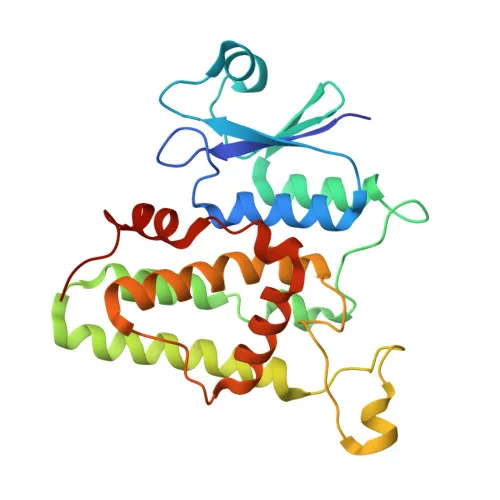
- CLIC1 (Chloride intracellular channel protein 1), also known as NCC27, G6, or hRNCC, is a member of the chloride intracellular channel protein family.
- In its soluble form, CLIC1 functions as a glutaredoxin-like oxidoreductase, catalyzing thiol disulfide exchange reactions using reduced glutathione, thereby contributing to antioxidant defense by reducing selenite and dehydroascorbate. Related references: PMID:25581026 PMID:37759794
- Upon oxidation, CLIC1 can insert into membranes and form voltage-dependent, multi-ion conductive chloride channels, indicating redox-regulated membrane insertion and ion transport activity.
- CLIC1 is involved in the regulation of the cell cycle, though the precise molecular mechanism remains to be fully elucidated.
- Subcellular localization includes the nucleus, nuclear membrane, cytoplasm, cell membrane, and endoplasmic reticulum, reflecting dynamic intracellular trafficking.
- Post-translational modifications such as acetylation, phosphorylation, disulfide bond formation, and glutathionylation may regulate its dual functions and localization.
- CLIC1 is widely expressed, with prominent levels detected in heart, placenta, liver, kidney, and pancreas.
Experimental Guidance and Technical Tips
- The immunogen, a recombinant protein spanning amino acids 42–241 of human CLIC1, covers the core domain; this design is expected to recognize endogenous CLIC1 in tested species (human, mouse, rat).
- For western blot (WB), a band around 27 kDa is anticipated; consider using appropriate positive and negative controls to verify specificity.
- In immunofluorescence/immunocytochemistry (IF/ICC), multiple subcellular localizations may be observed; optimize fixation and permeabilization conditions to preserve target epitopes.
- For ELISA applications, the antibody can be employed as either a capture or detection reagent; titrate and validate in the relevant sample matrix.
CamelBio: Your One-Stop Sourcing Bridge
CamelBio empowers diagnostic manufacturers, laboratories, and research institutes with one-stop access to premium IVD raw materials. This anti-CLIC1 antibody supports investigations into ion channel biology, redox regulation, and cancer research. Beyond validated antibody pairs and optimized monoclonal/polyclonal antibodies, we offer bulk ancillary reagents and specialized sourcing for rare targets, helping you move from concept to clinic efficiently.
REQUEST A QUOTE
Our professional team will reply to you within one business day. Please feel free to contact us!