Polyclonal Antibodies
Anti-CLCNKA Rabbit Polyclonal Antibody for WB, ELISA - P51800
Item Number : CM0028531
Price varies based on specs and customizations
- Application
- WB, ELISA
- Cross Reactivity
- Human, Mouse
- Protein Weight
- 75kDa

Shipping:
Contact us to get shipping details Enjoy On-time Dispatch Guarantee.
Why Choose Us
Easy ordering process, quality products, and dedicated support for your business success.
Core Product Specifications and Parameters
| Parameter | Value |
|---|---|
| Product Name | CLCNKA Rabbit pAb |
| Remarks/Alias | CLCK1; ClC-K1; hClC-Ka; CLCNKA |
| Species | Human |
| Gene ID (Human) | 1187 |
| Immunogen | Recombinant fusion protein containing a sequence corresponding to amino acids 470-644 of human CLCNKA (NP_001244068.1) |
| Source | Rabbit |
| Category | Polyclonal Antibodies |
| Application | WB, ELISA |
| Cross Reactivity | Human, Mouse |
| SWISS | P51800 |
| Protein Weight | 75kDa |
| Shipping | Ice bag |
Biological Background: CLCNKA Function and Localization
- CLCNKA encodes the chloride channel protein ClC-Ka (also known as ClC-K1), a member of the ClC family of anion-selective channels.
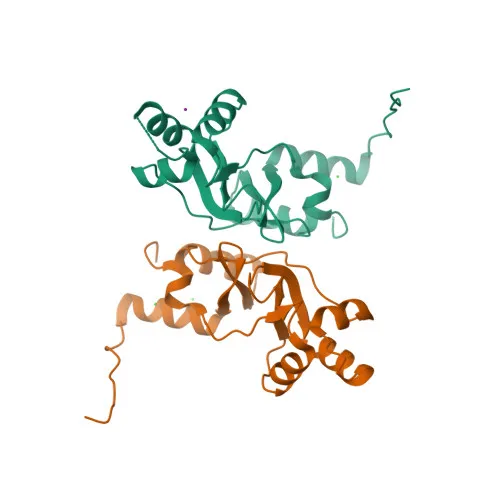
- Functions as a homodimeric channel where each subunit forms an independent ion conduction pathway, permeable to small monovalent anions with selectivity for chloride > bromide > nitrate > iodide. Related references: PMID:11734858 PMID:12111250
- Channel activity is controlled by two types of gates: fast gates that regulate each subunit independently and a slow common gate that simultaneously opens and shuts off both subunits. Related references: PMID:11734858 PMID:12111250 PMID:18310267
- Requires assembly with the regulatory subunit BSND/Barttin for proper sorting to the basolateral plasma membrane and functional switching to the ion-conducting state. Related references: PMID:11734858 PMID:12111250 PMID:18310267
- Mediates transepithelial chloride transport in the thin ascending limb of Henle's loop, contributing to the generation of a hypertonic medullary interstitium essential for urine concentration. Related references: PMID:15044642
- Conducts chloride currents in the stria vascularis of the inner ear to establish the endocochlear potential, necessary for normal hearing. Related references: PMID:15044642 PMID:18310267 PMID:19646679
- Subcellularly localized to the basolateral cell membrane; associated diseases include Bartter syndrome and deafness (from Keywords).
Experimental Guidance and Technical Tips
- The immunogen was designed using a C-terminal fragment (amino acids 470-644), so the antibody may preferentially detect full-length CLCNKA; confirm specificity with appropriate controls.
- For Western blot, expect a band around 75 kDa in human and mouse tissue lysates; consider using positive controls such as kidney or inner ear samples.
- Include negative controls (e.g., CLCNKA knockout cell lines) to validate band identity.
- In ELISA, titrate the antibody using recombinant CLCNKA protein to determine optimal working concentration.
CamelBio: Your One-Stop Sourcing Bridge
CamelBio offers diagnostic manufacturers and research labs a streamlined, one-stop sourcing solution for IVD raw materials like this anti-CLCNKA antibody. Our portfolio includes validated antibody pairs, optimized monoclonal and polyclonal antibodies, bulk ancillary reagents, and support for rare target sourcing—helping you accelerate development from concept to clinic. Whether your focus is renal physiology or auditory research, CamelBio bridges the gap between discovery and diagnostic application.
REQUEST A QUOTE
Our professional team will reply to you within one business day. Please feel free to contact us!