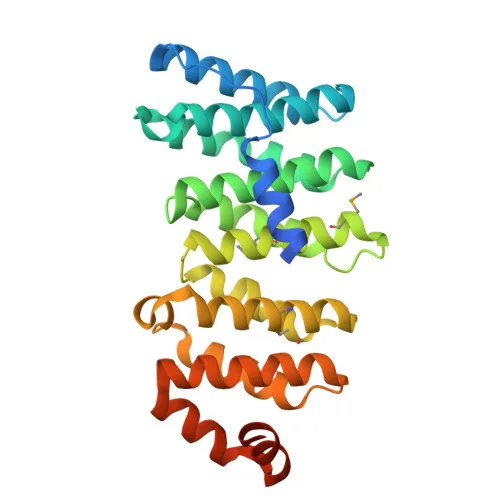
Polyclonal Antibodies
Anti-CLASP1 Polyclonal Antibody for WB, ELISA - Q7Z460
Item Number : CM0026031
Price varies based on specs and customizations
- Application
- WB, ELISA
- Cross Reactivity
- Human, Mouse, Rat
- Protein Weight
- 169kDa

Shipping:
Contact us to get shipping details Enjoy On-time Dispatch Guarantee.
Why Choose Us
Easy ordering process, quality products, and dedicated support for your business success.
Core Product Specifications and Parameters
| Parameter | Value |
|---|---|
| Product Name | CLASP1 Rabbit pAb |
| Remarks/Alias | MAST1; CLASP1 |
| Species | Human |
| GeneID (Human) | 23332 |
| GeneID | 23332 |
| Immunogen | Recombinant protein|Recombinant fusion protein containing a sequence corresponding to amino acids 1389-1538 of human CLASP1 (NP_056097.1). |
| Source | Rabbit |
| Category | Polyclonal Antibodies |
| Application | WB, ELISA |
| Cross Reactivity | Human, Mouse, Rat |
| SWISS | Q7Z460 |
| Protein Weight | 169kDa |
| Shipping | Ice bag |
Biological Background: CLASP1 Function and Localization
- CLASP1 (CLIP-associating protein 1), also known as cytoplasmic linker-associated protein 1 or multiple asters homolog 1, is encoded by the CLASP1 gene in humans.
- Functions as a microtubule plus-end tracking protein that promotes the stabilization of dynamic microtubules.
- Involved in the nucleation of noncentrosomal microtubules originating from the trans-Golgi network.
- Required for the polarization of cytoplasmic microtubule arrays in migrating cells towards the leading edge, enhancing cortical rescue of depolymerizing microtubules.
- At kinetochores, performs a stabilizing function essential for the bipolar alignment of chromosomes on the mitotic spindle.
- Localizes to multiple cellular structures including the cytoplasm, cytoskeleton, centrosome, kinetochore, mitotic spindle, and Golgi apparatus.
- Undergoes alternative splicing and is regulated by phosphorylation; associated with cell cycle and mitosis.
Experimental Guidance and Technical Tips
- The immunogen corresponds to amino acids 1389-1538, a region near the C-terminus; consider that the antibody may recognize full-length CLASP1 and certain isoforms.
- For Western blotting, the predicted molecular weight is approximately 169 kDa; use appropriate gel percentages and transfer conditions for high-molecular-weight proteins.
- Validate the antibody in the relevant sample system (e.g., HeLa, HEK293, or other human/mouse/rat cell lines) to confirm specificity and cross-reactivity.
- In ELISA applications, the recombinant fusion protein or synthetic peptides spanning the immunogen region may be used as coating antigens.
- Include positive and negative controls in all experiments to ensure reliable performance.
CamelBio: Your One-Stop Sourcing Bridge
CamelBio is a global one-stop sourcing partner for IVD raw materials, offering validated antibody pairs, optimized polyclonal and monoclonal antibodies, bulk ancillary reagents, and rare-target raw-material supply. This anti-CLASP1 polyclonal antibody supports research into microtubule dynamics, cell migration, and mitotic spindle assembly, areas relevant to cell biology and oncology. With expertise across the diagnostic development pathway, CamelBio streamlines procurement, helping you move from concept to clinic with reliable and cost-effective reagent solutions.
REQUEST A QUOTE
Our professional team will reply to you within one business day. Please feel free to contact us!