Polyclonal Antibodies
Anti-CKAP5 Rabbit Polyclonal Antibody for WB, IP, IF/ICC, IF-P, ELISA - Q14008
Item Number : CM0024828
Price varies based on specs and customizations
- Application
- WB, IP, IF/ICC, IF-P, ELISA
- Cross Reactivity
- Human, Mouse, Rat
- Protein Weight
- 225kDa

Shipping:
Contact us to get shipping details Enjoy On-time Dispatch Guarantee.
Why Choose Us
Easy ordering process, quality products, and dedicated support for your business success.
Core Product Specifications and Parameters
| Parameter | Value |
|---|---|
| Product Name | CKAP5 Rabbit pAb |
| Remarks/Alias | TOG, MSPS, TOGp, CHTOG, ch-TOG, CKAP5 |
| Species | Human |
| GeneID (Human) | 9793 |
| GeneID | 9793 |
| Immunogen | Recombinant fusion protein containing a sequence corresponding to amino acids 1763-2032 of human CKAP5 (NP_001008938.1). |
| Source | Rabbit |
| Category | Polyclonal Antibodies |
| Application | WB, IP, IF/ICC, IF-P, ELISA |
| Cross Reactivity | Human, Mouse, Rat |
| SWISS | Q14008 |
| Protein Weight | 225kDa |
| Shipping | Ice bag |
Biological Background: CKAP5 Function and Localization
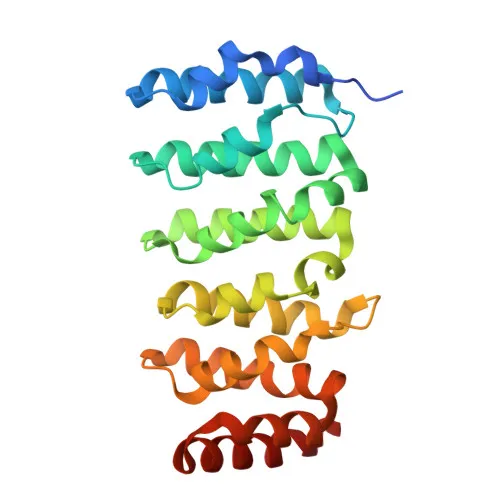
- CKAP5 (Cytoskeleton-associated protein 5), also known as ch-TOG (Colonic and hepatic tumor overexpressed gene protein), is a large microtubule-associated protein encoded by the CKAP5 gene (GeneID: 9793) with a predicted molecular weight of ~225 kDa.
- It acts as a processive microtubule polymerase, binding to the plus ends of microtubules and promoting cytoplasmic microtubule nucleation and elongation.
- CKAP5 plays a critical role in mitotic spindle assembly by organizing spindle poles and protecting kinetochore microtubules from depolymerization.
- It is a component of the TACC3/ch-TOG/clathrin complex, which stabilizes kinetochore fibers of the mitotic spindle by acting as an inter-microtubule bridge. Related references: PMID:23532825
- CKAP5 enhances the strength of NDC80 complex-mediated kinetochore-tip microtubule attachments. Related references: PMID:27156448
- Subcellularly, CKAP5 localizes to the cytoplasm, centrosome, spindle poles, and kinetochores during cell division.
- Expression is elevated in hepatic and colonic tumors, as well as in the Purkinje cell bodies of the cerebellum, with widespread tissue distribution including skeletal muscle, brain, heart, placenta, lung, liver, kidney, and pancreas.
- Post-translational modifications include acetylation and phosphorylation, and alternative splicing generates multiple isoforms.
Experimental Guidance and Technical Tips
- The immunogen corresponds to amino acids 1763-2032 of human CKAP5; therefore, the antibody may recognize epitopes within this C-terminal region. Consider using appropriate positive controls (e.g., HeLa, HEK293 cell lysates) for WB.
- Due to the large molecular weight (225 kDa), ensure the use of low-percentage SDS-PAGE gels and extended transfer times for Western blotting.
- For immunofluorescence applications, expect staining patterns consistent with microtubule networks, centrosomes, and mitotic spindles. Co-staining with centrosomal markers (e.g., γ-tubulin) can help confirm localization.
- Given its polyclonal nature, lot-to-lot consistency should be verified, and antibody titration is recommended for optimal signal-to-noise ratio.
CamelBio: Your One-Stop Sourcing Bridge
CamelBio serves as a comprehensive sourcing partner for IVD raw materials, offering validated antibody pairs, optimized monoclonal and polyclonal antibodies, and bulk ancillary reagents. Our portfolio supports research into microtubule dynamics, cancer biomarkers, and cell cycle regulation, accelerating assay development from concept to clinic. Contact us to explore custom solutions and bulk supply options for your diagnostic needs.
Product Datasheet
Anti-CKAP5 Rabbit Polyclonal Antibody for WB, IP, IF/ICC, IF-P, ELISA - Q14008
REQUEST A QUOTE
Our professional team will reply to you within one business day. Please feel free to contact us!