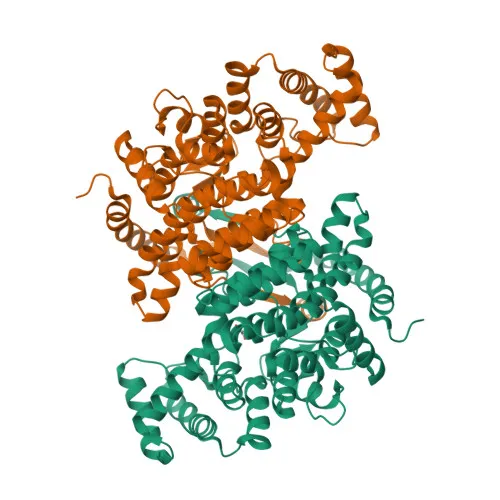
Monoclonal Antibodies
Anti-Citrate synthetase Rabbit mAb for WB, IHC-P, IF/ICC, ELISA - O75390
Item Number : CM0007118
Price varies based on specs and customizations
- Application
- WB, IHC-P, IF/ICC, ELISA
- Cross Reactivity
- Human, Mouse, Rat
- Protein Weight
- 52kDa

Shipping:
Contact us to get shipping details Enjoy On-time Dispatch Guarantee.
Why Choose Us
Easy ordering process, quality products, and dedicated support for your business success.
Core Product Specifications and Parameters
| Parameter | Value |
|---|---|
| Product Name | Citrate synthetase Rabbit mAb |
| Remarks/Alias | CS; citrate synthase; Citrate synthetase |
| Species | Human |
| GeneID (Human) | 1595 |
| GeneID | 1431 |
| Immunogen | Recombinant fusion protein containing a sequence corresponding to amino acids 28-145 of human Citrate synthetase (NP_004068.2). |
| Source | Rabbit |
| Category | Monoclonal Antibodies |
| Application | WB, IHC-P, IF/ICC, ELISA |
| Cross Reactivity | Human, Mouse, Rat |
| SWISS | O75390 |
| Protein Weight | 52kDa |
| Shipping | Ice bag |
Biological Background: Citrate synthetase Function and Localization
- The target protein is citrate synthase, a mitochondrial enzyme belonging to the transferase family, specifically the acyltransferases that convert acyl groups into alkyl groups on transfer.
- It catalyzes the condensation of acetyl coenzyme A and oxaloacetate to form citrate, the first and rate-limiting step of the tricarboxylic acid (TCA) cycle, a central pathway in energy production.
- This enzyme is localized exclusively in the mitochondrial matrix, where the TCA cycle operates, providing precursors for oxidative phosphorylation.
- As a key TCA cycle enzyme, citrate synthase activity is often used as a marker for mitochondrial content and oxidative capacity in tissues.
- The enzyme undergoes several post-translational modifications, including acetylation, methylation, and ubiquitin conjugation, which may modulate its activity.
- The protein has been extensively characterized through crystallographic studies (3D-structure available) and direct protein sequencing, confirming its molecular weight of approximately 52 kDa (calculated ~52 kDa from NP_004068.2).
Experimental Guidance and Technical Tips
- The immunogen corresponds to amino acids 28–145 of human citrate synthetase, a region likely exposed after mitochondrial processing, suggesting recognition of the mature endogenous form.
- For Western blotting, a band near 52 kDa is expected; loading mitochondrial-enriched fractions or using whole cell lysates from metabolically active tissues may improve detection.
- In immunohistochemistry (IHC-P) and immunofluorescence (IF/ICC), ensure adequate antigen retrieval and consider validating the signal in tissues with high mitochondrial density (e.g., heart, skeletal muscle).
- The antibody’s cross-reactivity with mouse and rat citrate synthase allows studies across common preclinical models; always include appropriate positive and negative controls for each application.
- For ELISA applications, optimal coating conditions and antibody dilution should be empirically determined using recombinant citrate synthase as standard.
CamelBio: Your One-Stop Sourcing Bridge
CamelBio provides diagnostic manufacturers, core labs, and research institutes with seamless access to high-quality IVD raw materials for metabolism and mitochondrial research. From validated monoclonal antibodies like this anti-citrate synthetase clone to optimized antibody pairs, ancillary reagents, and rare target sourcing, we support every stage of assay development. Let CamelBio streamline your procurement of bulk reagents and custom solutions for TCA cycle biomarkers and beyond.
Product Datasheet
Anti-Citrate synthetase Rabbit mAb for WB, IHC-P, IF/ICC, ELISA - O75390
REQUEST A QUOTE
Our professional team will reply to you within one business day. Please feel free to contact us!