Polyclonal Antibodies
Anti-CISD2 Polyclonal Antibody for WB, IHC-P, ELISA - Q8N5K1
Item Number : CM0027393
Price varies based on specs and customizations
- Application
- WB, IHC-P, ELISA
- Cross Reactivity
- Human, Mouse, Rat
- Protein Weight
- 15kDa

Shipping:
Contact us to get shipping details Enjoy On-time Dispatch Guarantee.
Why Choose Us
Easy ordering process, quality products, and dedicated support for your business success.
Core Product Specifications and Parameters
| Parameter | Value |
|---|---|
| Product Name | CISD2 Rabbit pAb |
| Remarks/Alias | ERIS; WFS2; ZCD2; NAF-1; Miner1; CISD2 |
| Species | Human |
| GeneID (Human) | 493856 |
| GeneID | 493856 |
| Immunogen | Recombinant fusion protein containing a sequence corresponding to amino acids 61-135 of human CISD2 (NP_001008389.1). |
| Source | Rabbit |
| Category | Polyclonal Antibodies |
| Application | WB, IHC-P, ELISA |
| Cross Reactivity | Human, Mouse, Rat |
| SWISS | Q8N5K1 |
| Protein Weight | 15kDa |
| Shipping | Ice bag |
Biological Background: CISD2 Function and Localization
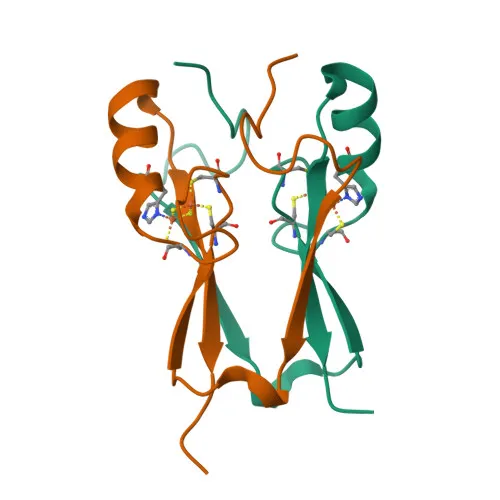
- CISD2 (CDGSH iron-sulfur domain-containing protein 2) is also known as endoplasmic reticulum intermembrane small protein (ERIS), mitoNEET-related 1 protein (Miner1), and nutrient-deprivation autophagy factor-1 (NAF-1).
- It functions as a key regulator of autophagy, antagonizing BECN1-mediated cellular autophagy at the endoplasmic reticulum.
- CISD2 participates in the interaction of BCL2 with BECN1 and is required for BCL2-mediated depression of ER Ca2+ stores during autophagy.
- It contributes to BIK-initiated autophagy but does not influence BIK-dependent caspase activation, highlighting a specific role in non-apoptotic autophagy pathways.
- CISD2 is involved in lifespan control, likely through its regulatory function in autophagy.
- The protein localizes to the endoplasmic reticulum membrane and the mitochondrial outer membrane, positioning it at critical organelle contact sites.
- CISD2 is broadly expressed in tissues including testis, small intestine, kidney, lung, brain, heart, pancreas, and platelets.
- It contains a 2Fe-2S iron-sulfur cluster and is associated with human diseases such as deafness and diabetes mellitus.
Experimental Guidance and Technical Tips
- The immunogen used to generate this polyclonal antibody corresponds to amino acids 61–135 of human CISD2; consider verifying sequence conservation across target species (Human, Mouse, Rat) for expected cross-reactivity.
- For Western blotting, a band at approximately 15 kDa is anticipated; optimize gel percentage (e.g., 12–15% SDS-PAGE) and transfer conditions for low molecular weight proteins.
- In immunohistochemistry (paraffin-embedded, IHC-P), antigen retrieval protocols (e.g., heat-induced epitope retrieval) may be necessary; signal distribution is expected in endoplasmic reticulum and mitochondrial compartments.
- For ELISA applications, the antibody may be suitable as a capture or detection reagent; perform checkerboard titrations with the recombinant immunogen or native target to determine optimal working concentrations.
- As a rabbit polyclonal antibody, lot-to-lot consistency should be monitored; inclusion of positive and negative controls (e.g., knockout cell lines or siRNA-treated samples) is recommended for experimental validation.
CamelBio: Your One-Stop Sourcing Bridge
CamelBio offers diagnostic manufacturers, labs, and research institutes a streamlined sourcing channel for IVD raw materials. Beyond this anti-CISD2 antibody, we provide optimized monoclonal/polyclonal antibody pairs, bulk ancillary reagents, and support for rare autophagy and mitochondrial targets to accelerate your assay development.
REQUEST A QUOTE
Our professional team will reply to you within one business day. Please feel free to contact us!