Polyclonal Antibodies
Anti-CHRNE Rabbit Polyclonal Antibody for WB, ELISA - Q04844
Item Number : CM0016215
Price varies based on specs and customizations
- Application
- WB, ELISA
- Cross Reactivity
- Human, Mouse, Rat
- Protein Weight
- 55kDa

Shipping:
Contact us to get shipping details Enjoy On-time Dispatch Guarantee.
Why Choose Us
Easy ordering process, quality products, and dedicated support for your business success.
Core Product Specifications and Parameters
| Parameter | Value |
|---|---|
| Product Name | CHRNE Rabbit pAb |
| Remarks/Alias | MGI; FIM1; FIMG; ACHRE; CMS1D; CMS1E; CMS2A; CMS4A; CMS4B; CMS4C; FCCMS; FIMG1; SCCMS; CMS1A1; CHRNE |
| Species | Human |
| GeneID (Human) | 1145 |
| GeneID | 1145 |
| Immunogen | Recombinant fusion protein containing a sequence corresponding to amino acids 21-239 of human CHRNE (NP_000071.1) |
| Source | Rabbit |
| Category | Polyclonal Antibodies |
| Application | WB, ELISA |
| Cross Reactivity | Human, Mouse, Rat |
| SWISS | Q04844 |
| Protein Weight | 55kDa |
| Shipping | Ice bag |
Biological Background: Acetylcholine Receptor Subunit Epsilon (CHRNE) Function and Localization
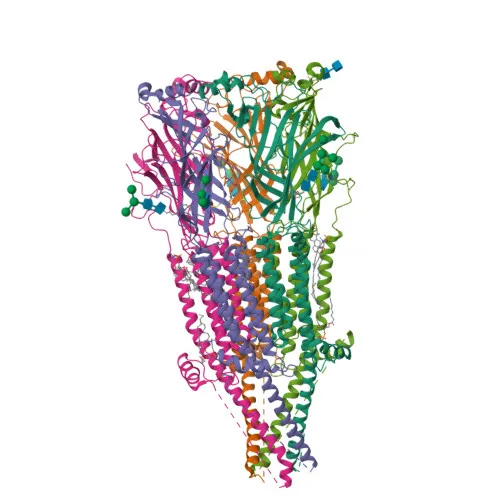
- Acetylcholine receptor subunit epsilon (CHRNE) is a component of the muscle-type nicotinic acetylcholine receptor (nAChR), a pentameric ligand-gated ion channel that mediates fast synaptic transmission at the neuromuscular junction.
- Upon acetylcholine binding, the receptor undergoes a conformational change that opens a cation-selective ion channel across the plasma membrane, leading to membrane depolarization and muscle contraction.
- CHRNE is specifically localized at the postsynaptic cell membrane of the neuromuscular junction, where it forms part of the receptor’s ligand-binding domain.
- The protein contains characteristic structural features of the cys-loop receptor superfamily, including a signal peptide, disulfide bonds, and glycosylation sites, and harbors four transmembrane helices.
- Mutations in the CHRNE gene are associated with congenital myasthenic syndromes (CMS), a heterogeneous group of disorders characterized by fatigable muscle weakness due to impaired neuromuscular transmission.
- Keywords include ion channel, ligand-gated ion channel, postsynaptic cell membrane, synapse, glycoprotein, and disease variant.
Experimental Guidance and Technical Tips
- The immunogen corresponds to the extracellular N-terminal domain (amino acids 21-239) of human CHRNE, which is predicted to be highly accessible in native receptor conformations.
- For Western blot analysis, the predicted molecular weight is approximately 55 kDa (UniProt: 54.7 kDa). Consider using a 10% SDS-PAGE gel and loading 20–30 µg of total protein from human, mouse, or rat tissue lysates rich in neuromuscular junctions (e.g., skeletal muscle).
- For ELISA, immobilize the antigen or capture antibody under optimized conditions, and validate the signal-to-noise ratio with positive and negative controls relevant to your sample matrix.
- As with any polyclonal antibody, lot-to-lot variability can occur; we recommend validating each lot in your specific experimental system.
CamelBio: Your One-Stop Sourcing Bridge
CamelBio is your one-stop sourcing partner for IVD raw materials, offering a comprehensive portfolio that accelerates diagnostic development from concept to clinic. Our catalog includes validated antibodies, bulk ancillary reagents, and specialized raw materials for neuromuscular and ion channel research, complemented by technical consulting services. For CHRNE and related targets, we provide reliable access to quality-controlled polyclonal antibodies and customized procurement solutions tailored to your project needs.
REQUEST A QUOTE
Our professional team will reply to you within one business day. Please feel free to contact us!