Polyclonal Antibodies
Anti-CHRNA9 Rabbit Polyclonal Antibody for WB, ELISA - Q9UGM1
Item Number : CM0025482
Price varies based on specs and customizations
- Application
- WB, ELISA
- Cross Reactivity
- Human, Mouse, Rat
- Protein Weight
- 55kDa

Shipping:
Contact us to get shipping details Enjoy On-time Dispatch Guarantee.
Why Choose Us
Easy ordering process, quality products, and dedicated support for your business success.
Core Product Specifications and Parameters
| Parameter | Value |
|---|---|
| Product Name | CHRNA9 Rabbit pAb |
| Remarks/Alias | NACHRA9; HSA243342; CHRNA9 |
| Species | Human |
| GeneID (Human) | 55584 |
| GeneID | 55584 |
| Immunogen | Recombinant protein |
| Source | Rabbit |
| Category | Polyclonal Antibodies |
| Application | WB, ELISA |
| Cross Reactivity | Human, Mouse, Rat |
| SWISS | Q9UGM1 |
| Protein Weight | 55kDa |
| Shipping | Ice bag |
Biological Background: CHRNA9 Function and Localization
- CHRNA9 encodes the neuronal acetylcholine receptor subunit alpha-9, a component of pentameric ligand-gated cation channels that function as excitatory neurotransmitter receptors with high calcium permeability. Related references: PMID:11752216, PMID:18723036, PMID:25282151
- CHRNA9 can form homopentameric receptors or heteropentamers with CHRNA10, modulating channel properties such as activation, deactivation, and cation permeability. Related references: PMID:11752216, PMID:18723036, PMID:25282151
- The protein is primarily localized to the synaptic cell membrane and cell membrane, consistent with its role in mediating synaptic transmission.
- In the inner ear, CHRNA9 mediates efferent olivocochlear fiber signaling to cochlear hair cells, contributing to auditory and vestibular processing and protection from acoustic trauma.
- The receptor is also found in non-neuronal tissues, including skin keratinocytes and lymphocytes, where it may regulate processes such as keratinocyte adhesion. Related references: PMID:11021840, PMID:11752216, PMID:25282151
- Key structural features include a signal peptide, transmembrane helices, disulfide bonds, and glycosylation, classifying it as a ligand-gated ion channel involved in calcium transport.
Experimental Guidance and Technical Tips
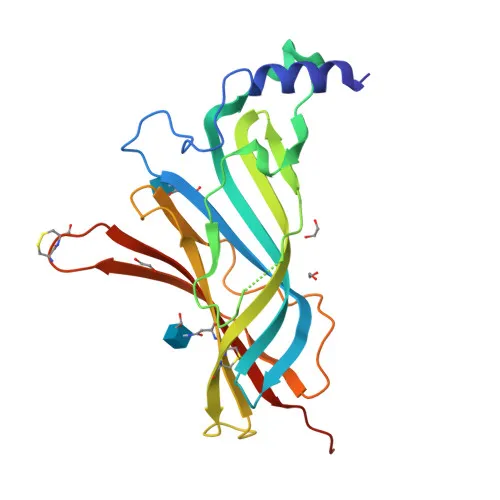
- The immunogen was a recombinant fusion protein spanning amino acids 26–240 of human CHRNA9, which corresponds to the extracellular domain; consider this when validating detection of different isoforms or post-translational modifications.
- For Western blot, use whole cell or tissue lysates from human, mouse, or rat samples known to express CHRNA9 (e.g., cochlea, keratinocytes, pituitary gland). Optimization of blocking and antibody dilution may be required.
- In ELISA, coating with the recombinant immunogen or target protein may enhance specific signal; include appropriate controls to assess background binding.
- As a polyclonal antibody, batch-to-batch consistency should be verified; consider cross-adsorption steps if non-specific bands appear in complex samples.
- Since the target is a membrane protein, ensure lysis and sample preparation methods adequately solubilize transmembrane proteins.
CamelBio: Your One-Stop Sourcing Bridge
CamelBio serves as your comprehensive one-stop sourcing partner for IVD raw materials, supporting diagnostic manufacturers, laboratories, and research institutes from concept to clinic. This CHRNA9 antibody is part of our offerings for neuroscience and ion channel research, and we provide additional validated antibody pairs, optimized monoclonal/polyclonal antibodies, bulk ancillary reagents, and rare target raw-material sourcing to accelerate your project development.
REQUEST A QUOTE
Our professional team will reply to you within one business day. Please feel free to contact us!