Polyclonal Antibodies
Anti-CHAT Polyclonal Antibody for WB, IHC, IF, ELISA - P28329
Item Number : CM0018231
Price varies based on specs and customizations
- Application
- WB, IF/ICC, IF-P, IHC-P, ELISA
- Cross Reactivity
- Human, Mouse, Rat
- Protein Weight
- 83kDa

Shipping:
Contact us to get shipping details Enjoy On-time Dispatch Guarantee.
Why Choose Us
Easy ordering process, quality products, and dedicated support for your business success.
Core Product Specifications and Parameters
| Parameter | Value |
|---|---|
| Product Name | CHAT Rabbit pAb |
| Remarks/Alias | CMS6; CMS1A; CMS1A2; CHOACTASE; CHAT |
| Species | Human |
| Gene ID (Human) | 1103 |
| Immunogen | Recombinant protein (Recombinant fusion protein containing a sequence corresponding to amino acids 331-630 of human CHAT (NP_065574.4)) |
| Source | Rabbit |
| Category | Polyclonal Antibodies |
| Application | WB, IF/ICC, IF-P, IHC-P, ELISA |
| Cross Reactivity | Human, Mouse, Rat |
| SWISS | P28329 |
| Protein Weight | 83kDa |
| Shipping | Ice bag |
Biological Background: Choline O-acetyltransferase Function and Localization
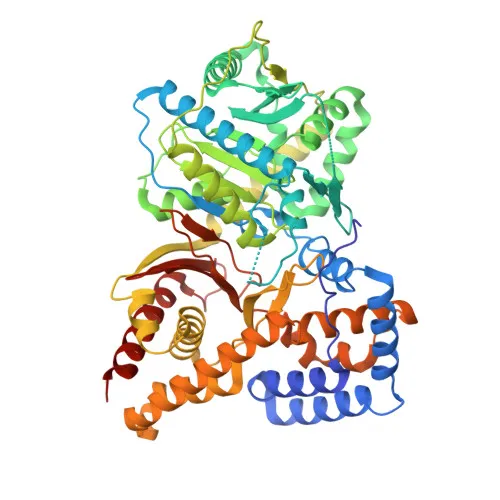
- Choline O-acetyltransferase (CHAT, also known as CHOACTASE) is the enzyme responsible for synthesizing the neurotransmitter acetylcholine from acetyl-CoA and choline.
- CHAT catalyzes the reversible reaction at cholinergic synapses, playing a critical role in neurotransmission in both the central and peripheral nervous systems.
- As a key enzyme in acetylcholine biosynthesis, CHAT is essential for cholinergic neuron function and is implicated in neuromuscular signaling.
- Mutations in the CHAT gene are associated with congenital myasthenic syndrome (CMS), a group of neuromuscular disorders characterized by defective signal transmission at the neuromuscular junction.
- CHAT undergoes alternative splicing, generating multiple isoforms that may exhibit tissue-specific expression patterns.
- The protein is subject to phosphorylation, indicating potential regulatory roles in enzyme activity via post-translational modifications.
- Classified as an acyltransferase and transferase, CHAT belongs to a family of enzymes that transfer functional groups to substrates.
Experimental Guidance and Technical Tips
- The immunogen corresponds to amino acids 331-630 of human CHAT, a region likely to be conserved across human, mouse, and rat, supporting cross-reactivity claims.
- For Western blot (WB), consider using denaturing/reducing conditions and expect a predominant band near 83 kDa, consistent with the full-length CHAT protein; validate with positive control lysates from human, mouse, or rat brain tissues.
- In immunofluorescence (IF/ICC or IF-P) and immunohistochemistry (IHC-P) applications, test antibody performance on fixed and permeabilized cells or tissue sections; inclusion of negative controls (e.g., CHAT knockout or depleted samples) is recommended.
- When used in ELISA, the polyclonal nature may provide enhanced signal; however, lot-to-lot consistency should be verified for quantitative assays.
- To maximize specificity, researchers are advised to titrate the antibody for their specific assay systems and confirm results with secondary detection reagents optimized for rabbit IgG.
CamelBio: Your One-Stop Sourcing Bridge
CamelBio serves as a one-stop sourcing partner for IVD manufacturers and research laboratories, simplifying procurement of high-quality raw materials like the CHAT antibody. In the neuroscience and neuromuscular disease research fields, our portfolio includes validated antibodies and abundant ancillary reagents to support your assay development. Whether you require customized antibody pairs, large-scale production of polyclonal or monoclonal antibodies, or assistance with rare target sourcing, CamelBio is positioned to streamline your supply chain from concept to clinic.
REQUEST A QUOTE
Our professional team will reply to you within one business day. Please feel free to contact us!