Polyclonal Antibodies
Anti-CGRRF1 Polyclonal Antibody for WB, ELISA - Q99675
Item Number : CM0019004
Price varies based on specs and customizations
- Application
- WB, ELISA
- Cross Reactivity
- Human
- Protein Weight
- 38kDa

Shipping:
Contact us to get shipping details Enjoy On-time Dispatch Guarantee.
Why Choose Us
Easy ordering process, quality products, and dedicated support for your business success.
Core Product Specifications and Parameters
| Parameter | Value |
|---|---|
| Product Name | CGRRF1 Rabbit pAb |
| Remarks/Alias | CGR19; RNF197; CGRRF1 |
| Species | Human |
| Gene ID (Human) | 10668 |
| Gene ID | 10668 |
| Immunogen | Recombinant fusion protein containing a sequence corresponding to amino acids 40-170 of human CGRRF1 (NP_006559.1). |
| Source | Rabbit |
| Category | Polyclonal Antibodies |
| Application | WB, ELISA |
| Cross Reactivity | Human |
| SWISS | Q99675 |
| Protein Weight | 38kDa |
| Shipping | Ice bag |
Biological Background: CGRRF1 Function and Localization
- CGRRF1 (Cell Growth Regulator with RING Finger Domain 1), also known as CGR19 and RNF197, is a RING finger-containing protein implicated in cell growth inhibition.
- Functional studies indicate that CGRRF1 can inhibit growth in several cell lines, suggesting a role in negative regulation of cell proliferation.
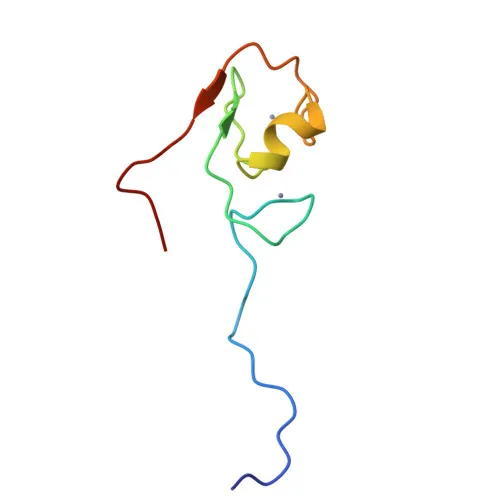
- The protein contains a zinc-binding RING finger domain, a characteristic motif often associated with E3 ubiquitin ligase activity.
- Subcellular localization includes the nucleus and endoplasmic reticulum, implying involvement in nuclear processes and possibly ER-related functions.
- CGRRF1 is ubiquitously expressed across tissues, with particularly high expression in testis and the cerebellum, hinting at tissue-specific regulatory roles.
- Post-translational modifications and structural features: The protein is a metal-binding zinc-finger protein, and its 3D structure has been resolved.
- The protein has a molecular weight of approximately 38 kDa (calculated ~38.2 kDa).
- Related keywords include cell cycle and growth arrest, consistent with its proposed function in growth regulation.
Experimental Guidance and Technical Tips
- The immunogen covers a central region (aa 40-170) of CGRRF1, which may be suitable for detecting both full-length protein and potential isoforms lacking terminal epitopes.
- For Western blot, consider using whole-cell lysates from human cell lines with verified CGRRF1 expression, such as those derived from testis or cerebellum tissues, where expression is high.
- ELISA applications may benefit from using a capture-detection format; ensure proper antibody pairing and validation in the relevant sample system.
- Since CGRRF1 localizes to the nucleus and ER, subcellular fractionation could enhance detection specificity in WB.
CamelBio: Your One-Stop Sourcing Bridge
CamelBio is a one-stop IVD raw-material sourcing partner, supporting diagnostic manufacturers from concept to clinic. This anti-CGRRF1 polyclonal antibody addresses research needs in cell growth regulation and cell cycle mechanisms. Beyond this product, CamelBio offers validated antibody pairs, optimized monoclonal/polyclonal antibodies, bulk ancillary reagents, and rare target raw-material sourcing to streamline your assay development.
REQUEST A QUOTE
Our professional team will reply to you within one business day. Please feel free to contact us!