Polyclonal Antibodies
Anti-CFHR1 Rabbit Polyclonal Antibody for WB and ELISA - Q03591
Item Number : CM0024453
Price varies based on specs and customizations
- Application
- WB, ELISA
- Cross Reactivity
- Human, Mouse, Rat
- Protein Weight
- 38kDa

Shipping:
Contact us to get shipping details Enjoy On-time Dispatch Guarantee.
Why Choose Us
Easy ordering process, quality products, and dedicated support for your business success.
Core Product Specifications and Parameters
| Parameter | Value |
|---|---|
| Product Name | CFHR1 Rabbit pAb |
| Remarks/Alias | H36; CFHL; FHR1; HFL1; HFL2; CFHL1; FHL-1; FHR-1; H36-1; H36-2; CFHL1P; CFHR1P; CFHR1 |
| Species | Human |
| Gene ID (Human) | 3078 |
| Gene ID | 3078 |
| Immunogen | Recombinant fusion protein containing a sequence corresponding to amino acids 151-330 of human CFHR1 (NP_002104.2). |
| Source | Rabbit |
| Category | Polyclonal Antibodies |
| Application | WB, ELISA |
| Cross Reactivity | Human, Mouse, Rat |
| SWISS | Q03591 |
| Protein Weight | 38kDa |
| Shipping | Ice bag |
Biological Background: CFHR1 Function and Localization
- CFHR1 (Complement Factor H-Related Protein 1) is a member of the factor H family of plasma glycoproteins that regulate the complement system. It is also known as H factor-like protein 1 (FHL-1), H36, and CFHL1.
- The protein functions as a complement regulator. Its dimerized forms bind to tissue-bound complement fragments and compete with the physiological inhibitor CFH, thereby modulating complement activation.
- CFHR1 can associate with lipoproteins, suggesting a potential role in lipid metabolism and possibly linking complement regulation to lipid homeostasis.
- Subcellular localization is primarily secreted; it is produced by the liver and released into plasma.
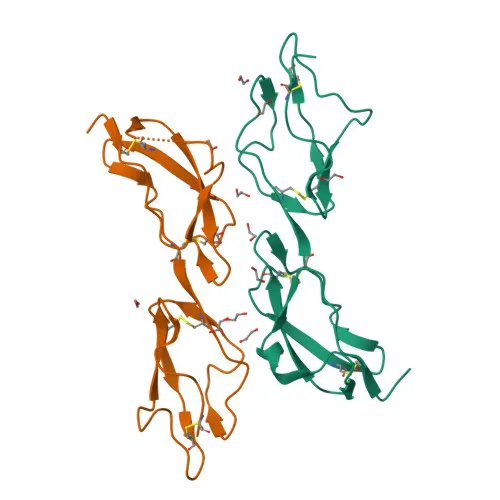
- The protein contains multiple sushi (complement control protein) domains and is post-translationally modified by disulfide bonds and glycosylation.
- Mutations or deletions in CFHR1 are associated with atypical hemolytic uremic syndrome (aHUS), highlighting its role in renal pathology.
- The calculated molecular weight of the unmodified protein is approximately 37.7 kDa, though glycosylation may lead to a higher apparent mass on SDS-PAGE.
Experimental Guidance and Technical Tips
- The immunogen is a recombinant fragment encompassing amino acids 151–330, which spans part of the sushi domains; this region may be conserved across species, consistent with the reported cross-reactivity with mouse and rat.
- For Western blot, the antibody detects a band around 38 kDa; reducing conditions and glycosidase treatment may alter migration due to the glycoprotein nature of CFHR1.
- In ELISA, consider using recombinant CFHR1 or serum/plasma samples as targets; due to potential homology with other CFH family members, cross-absorption may be required for specific detection.
- Since CFHR1 is a secreted plasma protein, sample preparation from blood (serum/plasma) is appropriate; liver tissue or hepatocyte lysates may also be used.
- Validating antibody specificity in the relevant sample system (e.g., human vs. mouse vs. rat) is recommended, especially given the high sequence similarity among CFHR proteins.
CamelBio: Your One-Stop Sourcing Bridge
CamelBio provides diagnostic manufacturers, laboratories, and research institutes with one-stop access to IVD raw materials, including validated antibody pairs, optimized monoclonal and polyclonal antibodies, bulk ancillary reagents, and rare target sourcing. Whether you need CFHR1 antibodies for complement system research or other immunoassay components, our supply chain ensures reliable, high-quality materials from concept to clinic.
REQUEST A QUOTE
Our professional team will reply to you within one business day. Please feel free to contact us!